Join The Club





One of the largest memory manufacturers in the world, Micron, has confirmed the obvious: memory shortages are likely to extend beyond next year as manufacturers struggle to keep up with burgeoning demand from AI.
"Sustained and strong industry demand, along with supply constraints, are contributing to tight market conditions and we expect these conditions to persist beyond calendar 2026," Micron CEO, Sanjay Mehrotra, said in the company's earnings call (via Seeking Alpha).


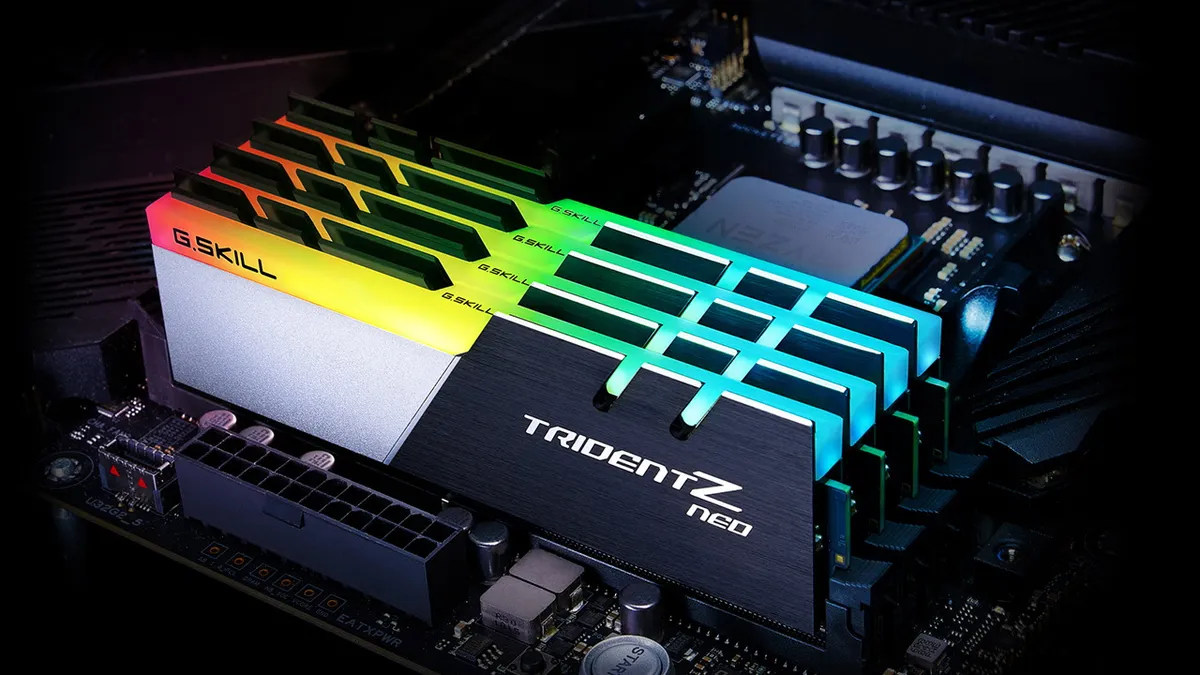
Price tracker: We're logging RAM + SSD prices here
Explainer: Why memory is so expensive right now
And, lastly, I swear, "Despite significant efforts, we are disappointed to be unable to meet demand from our customers across all market segments."
Micron is not the only company to make such stark warnings. Samsung and SK Hynix are also major players, and both suggest constraints will continue for a long while. The issue being, most of the time, it takes a while to build new facilities to manufacture memory. This is happening, but demand is increasing at a faster rate. Importantly, the major memory manufacturers don't want to risk overcapacity. As Samsung has noted recently, it would rather be profitable long-term than rapidly expand facilities.
Micron has announced Q1 revenue (businesses are better than the Gregorian calendar) of $13.6 billion. That's up 21% on Q4 and 57% from last year.
Unsurprisingly, it was DRAM revenue that saw the biggest increase over that period. Micron made $10.8 billion from DRAM alone, including HBM, GDDR and DDR chips, is up 69% to last year. NAND shipments were a mere 22% up. That difference might go some ways to explaining why SSDs have experienced moderate price increases in recent months, but a speedy RAM kit can now cost more than a graphics card. Though prices for NAND wafers are increasing, and quick, as Kingston notes.
It's all about memory for AI, as Mehrotra was keen to point out. They end the call noting that Micron expects its customers (businesses buying memory for their own products; Micron closed its consumer division, Crucial, earlier this month) to have to make adjustments to their portfolios to match the supply of memory available to them. Then, in what sounds to me like milk curdling in real-time, notes how important memory is to the "AI experience".
"I will highlight to you that AI experience—across from data center to edge, including in these edge devices like smartphones and PCs and other devices—really more memory is essential."
"The punchline here is that AI across the board from data center to edge is driving increase in content and increasing requirement for memory as the customers look ahead at their roadmaps."
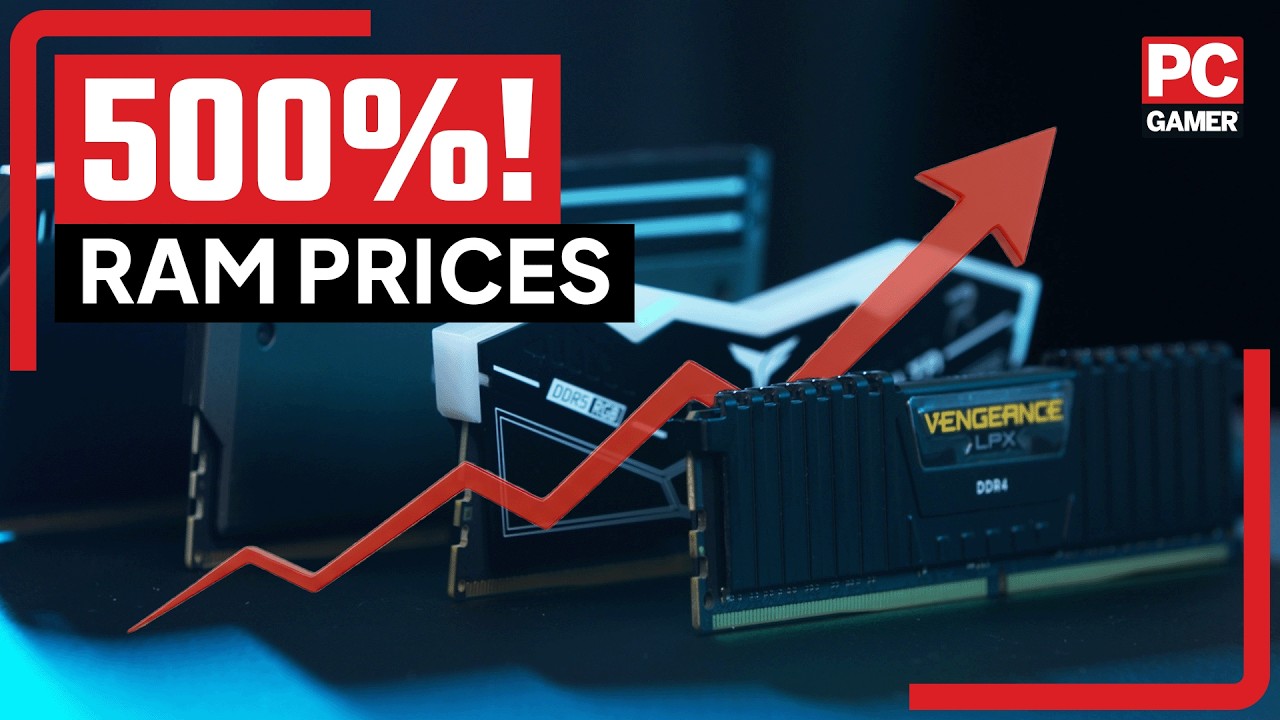
So, thanks again, AI. Super appreciate that. For an idea of how much RAM kits have increased in recent months, check out our RAM and SSD price tracker. Or if you just want a précis of the entire event, you can read our Jacob's RAM crisis explainer.
1. Best gaming chair: Secretlab Titan Evo
2. Best gaming desk: Secretlab Magnus Pro XL
3. Best gaming headset: Razer BlackShark V3
4. Best gaming keyboard: Asus ROG Strix Scope II 96 Wireless
5. Best gaming mouse: Razer DeathAdder V4 Pro
6. Best PC controller: GameSir G7 Pro
7. Best steering wheel: Logitech G Pro Racing Wheel
8. Best microphone: Shure MV6 USB Gaming Microphone
9. Best webcam: Elgato Facecam MK.2