Our Verdict
The Omni improves over SteelSeries' Nova Pro Wireless in virtually every sense to make this one of the most complete headsets out there in 2026, but also one of the most expensive.
For
- Very comfortable and plush fit
- Powerful and precise audio
- Very versatile connectivity
Against
- Very expensive
- Improved battery life, but not as long as rivals
PC Gamer's got your back Our experienced team dedicates many hours to every review, to really get to the heart of what matters most to you. Find out more about how we evaluate games and hardware.
The SteelSeries Arctis Nova Pro Omni wasn't necessarily the headset I expected the Danish brand to release as its next choice. From the outset, it's a funny product that seems to straddle the line between gaming headset and lifestyle-oriented audiophile headphones in a similar fashion to the £600/$600 Arctis Nova Elite released earlier this year.
What's even more curious is that it seems to be a step up in virtually every way from the longstanding Arctis Nova Pro Wireless for a modest premium, at least in terms of retail price—the lingering question I have is whether the Omni is the new Nova Pro Wireless. Let's take a look and find out.
The DNA of the Arctis Nova Pro Omni hasn't changed much over the other two headsets, with the modern and minimalistic finish that has characterised these redesigned Arctis Nova headsets since SteelSeries first introduced them a few years ago.
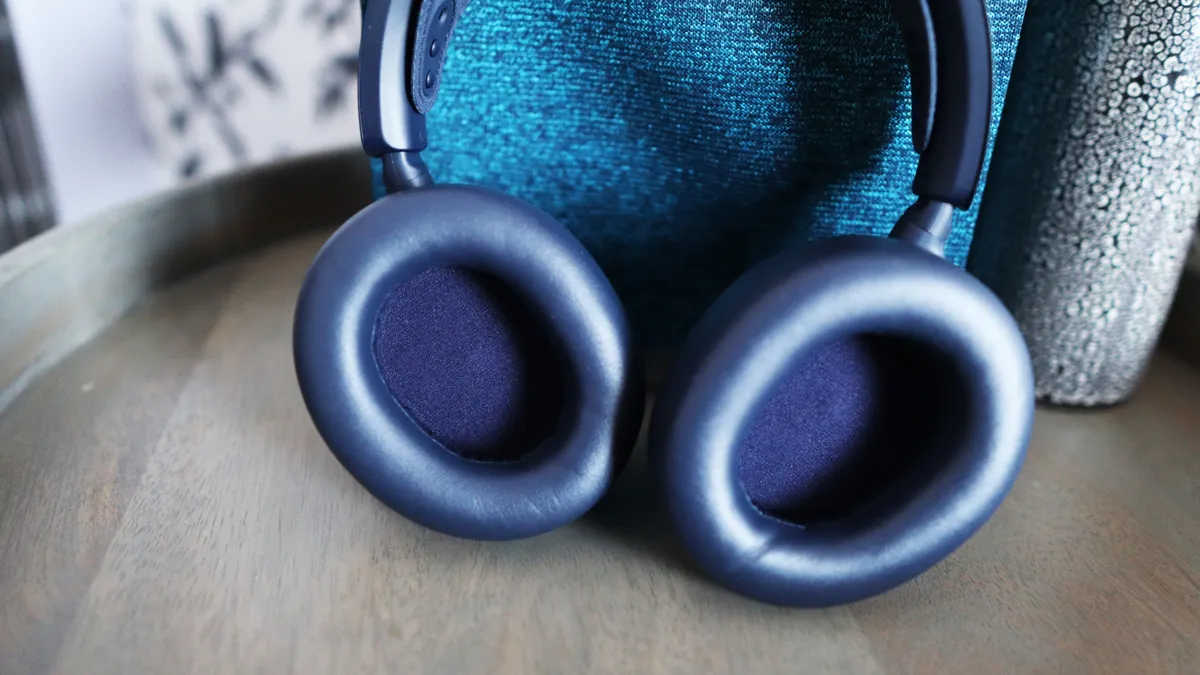
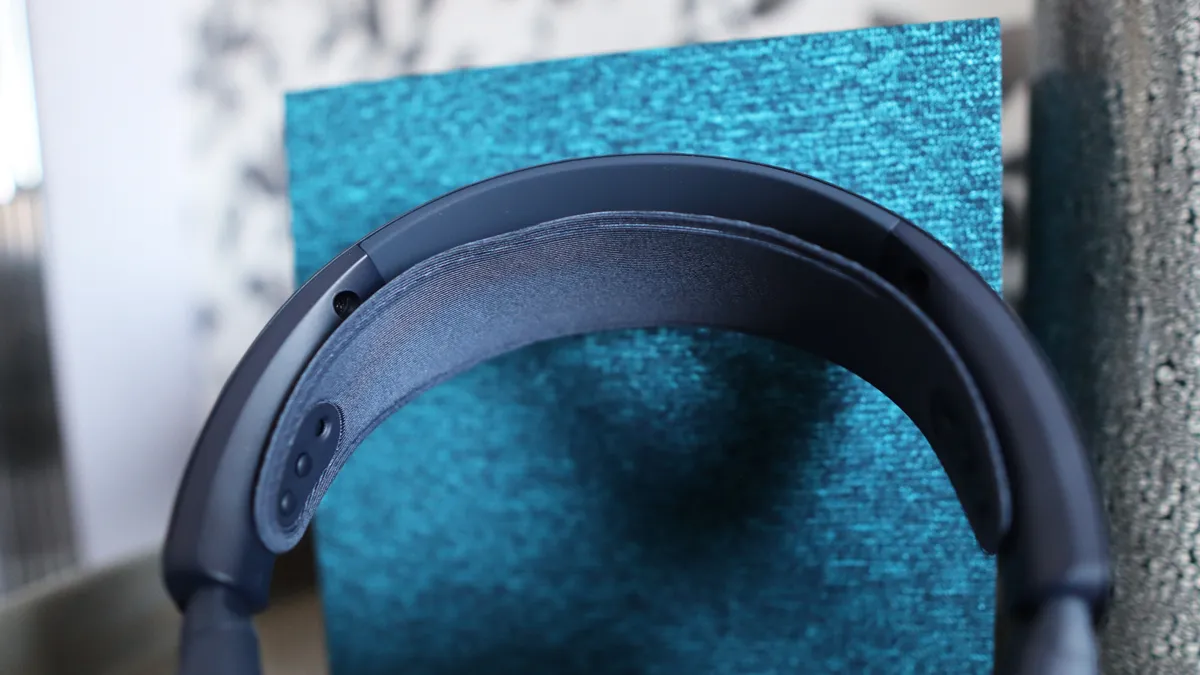
I think we've got similarly subtle material changes that were introduced on the Arctis Nova Elite here, such as a neoprene-type material for the suspension headband, alongside similarly plush and deep earcups that make this a very comfortable headset for extended periods in my testing.
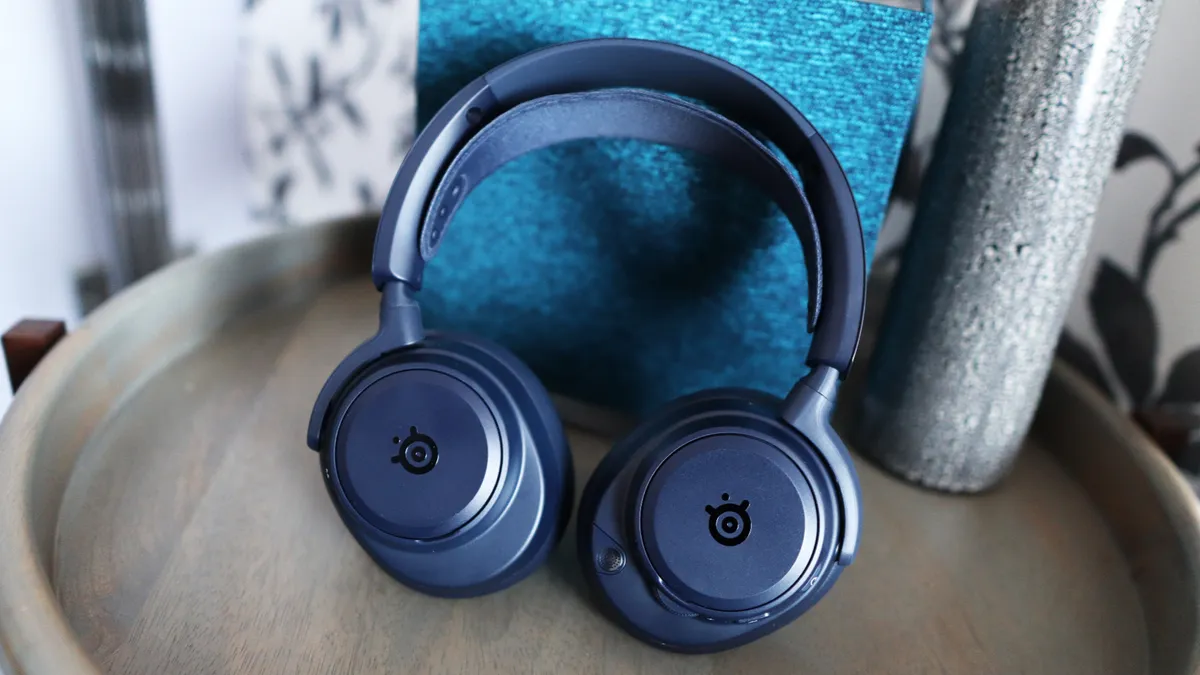
Operating principle: Closed-back
Connectivity: Wireless and wired - 2.4 GHz USB-C with base station, Bluetooth 5.3, 3.5 mm wired
Drivers: 40mm neodymium magnetic drivers
Frequency response: 10Hz - 22,000 Hz
Mic: Omnidirectional retractable
Battery life: Up to 60 hours (both batteries)
Weight: 339 g | 0.75lbs
Price: $400 | £350
There is also a strong seal provided with this headset to help its excellent passive noise isolation, even without the ANC enabled. Headband adjustment is similar to the other Arctis Nova headsets, with the option to use both the suspension headband and the main metal one in tandem to get an optimal fit. Adjustment on the main headband is smooth, while you get three sizes for the suspension headband, and the earcups also fold flat for easy stowage
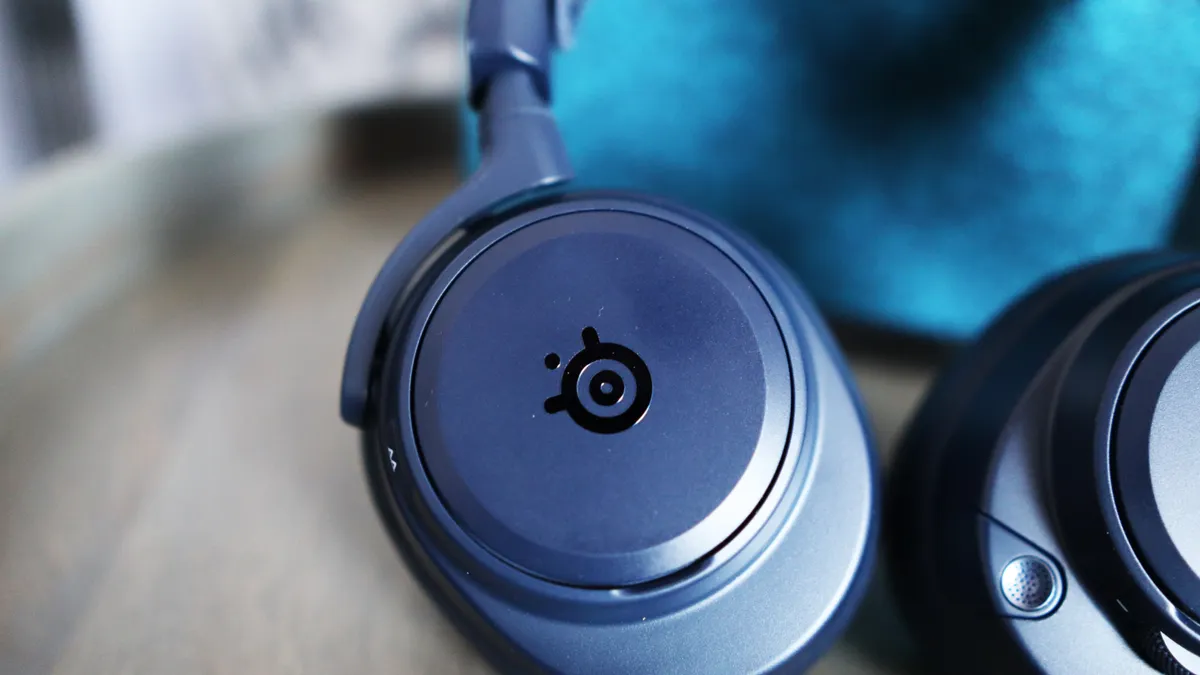
I'm also a big fan of this dark blue colourway my sample of the Arctis Nova Pro Omni arrived in, which just provides something a little different to the usual black and white I see on a lot of headsets. It's a little less gaudy than the light blue and gold finish on the Arctis Nova Elite, which was a little bit like Marmite—I quite liked it, but m'colleague Andy didn't.
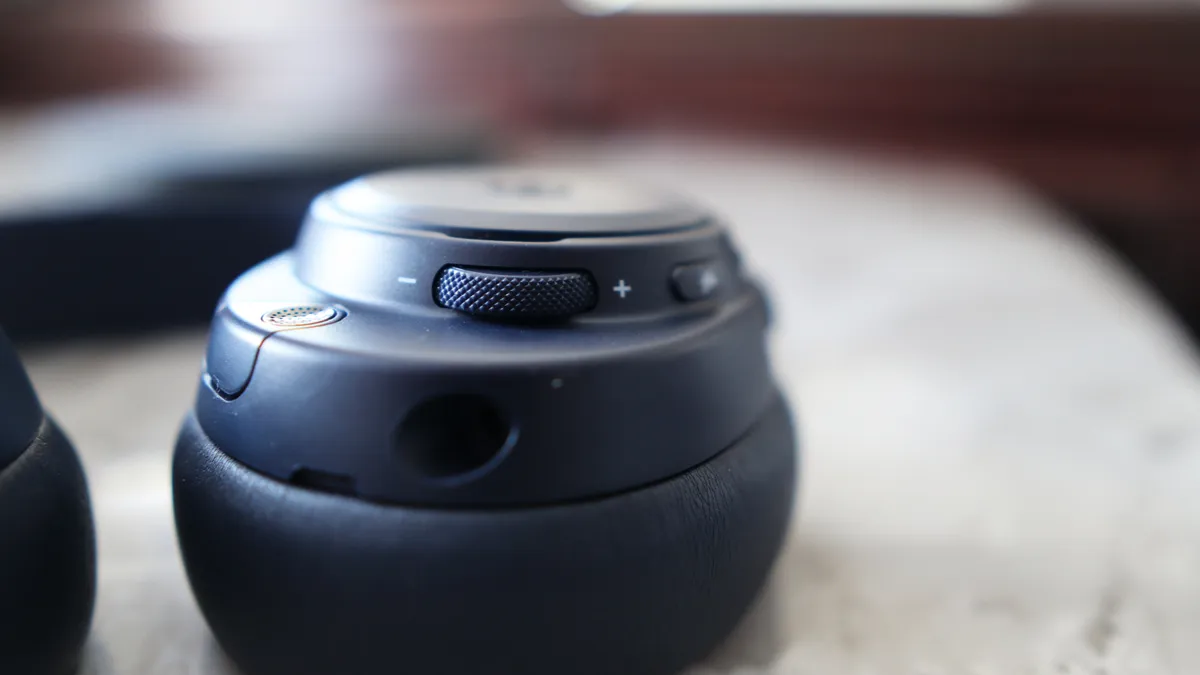
There have also been some subtle changes to the on-board controls with this headset, such as a new texture and tactile feel on the volume wheel that gives it a more premium feel than other choices. This headset's on-board controls are mostly loaded on the left side, though, with the aforementioned volume wheel, plus buttons for power and mic mute and the signature retractable boom microphone. The right side only has a button for Bluetooth pairing.
You also get a 3.5 mm jack for wired audio on the left side, while the USB-C port you’d expect is hidden behind the left earcup’s removable cover, and a removable and swappable battery is under the right earcup.
On the point of removable batteries, there has been a reasonable improvement to this headset's endurance over its predecessor, too, with up to 60 hours of runtime across both batteries—the same as the Arctis Nova Elite. More mixed use, as in my case, with the noise cancellation enabled and use over both 2.4 GHz and Bluetooth, leads to battery life taking a bit of a hit, with one battery lasting me between 15 and 20 hours, rather than up to 30.
SteelSeries also touts the Arctis Nova Pro Omni to have brisker fast charging, with a 15-minute fast charge putting upwards of four hours of runtime back into the cans, rather than the old three hours. This is also borrowed from the Arctis Nova Elite.
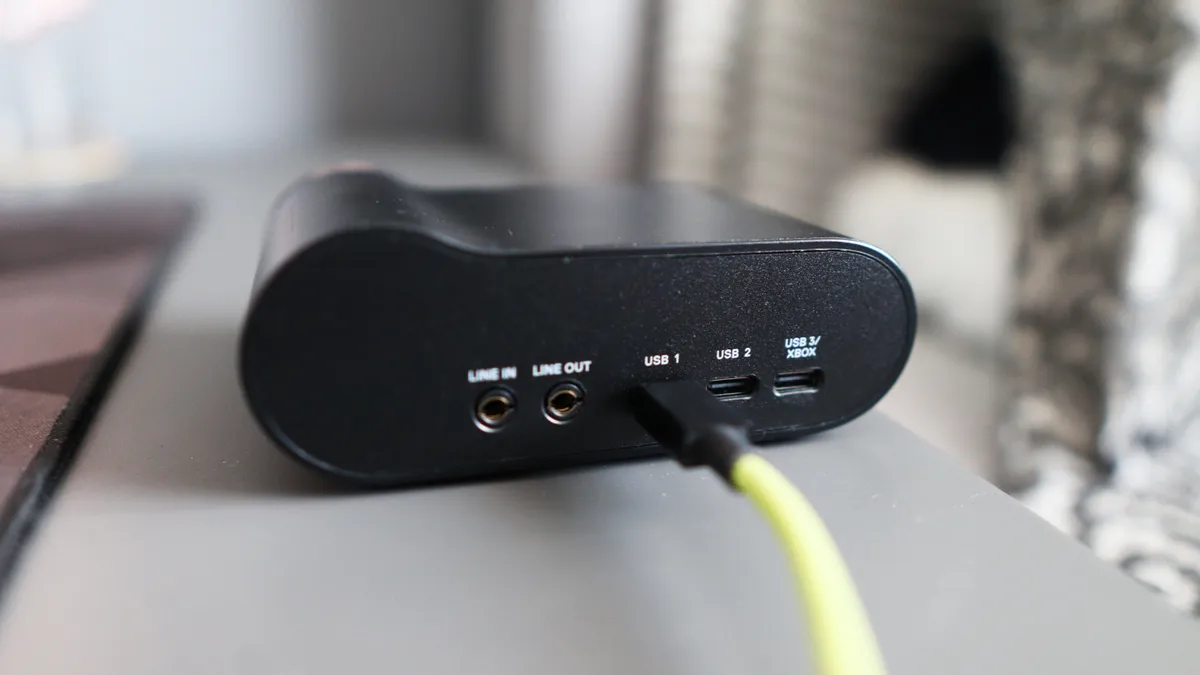
As was the case with the Nova Pro Wireless, the base station holds the key with the Omni model, allowing for up to four wired connections to a range of devices, plus the simultaneous mixing of audio from all of those sources. Add in Bluetooth 5.3 (improved from Bluetooth 5.0 on the Nova Pro Wireless) and 2.4 GHz channels, and you can theoretically connect this headset to up to six devices at once, while you can also mix audio from up to four sources at once, with two USB devices, Bluetooth and 3.5 mm wired. Moreover, there is the option to mix audio from two separate systems, which is unique to the Omni.
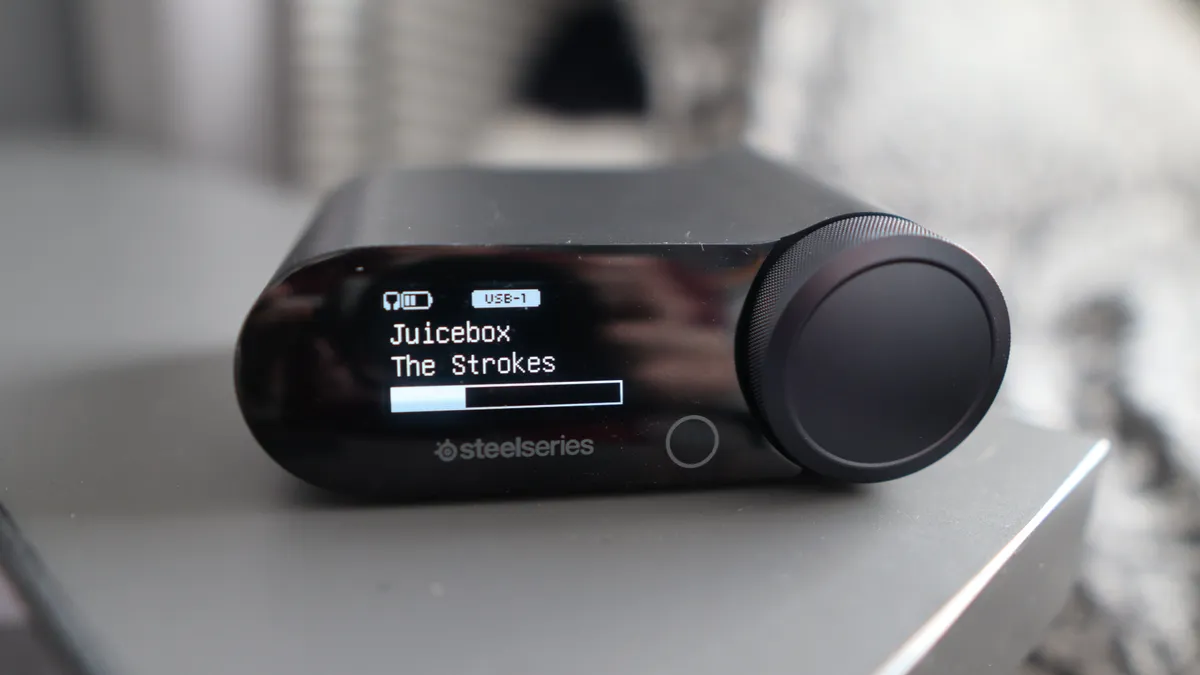
With a Tidal subscription in tow, the base station can also display any music you're listening to on the screen of the base station, which is a very neat addition. I think it only works for Tidal, as it didn't do so in my testing of Roon or Spotify.
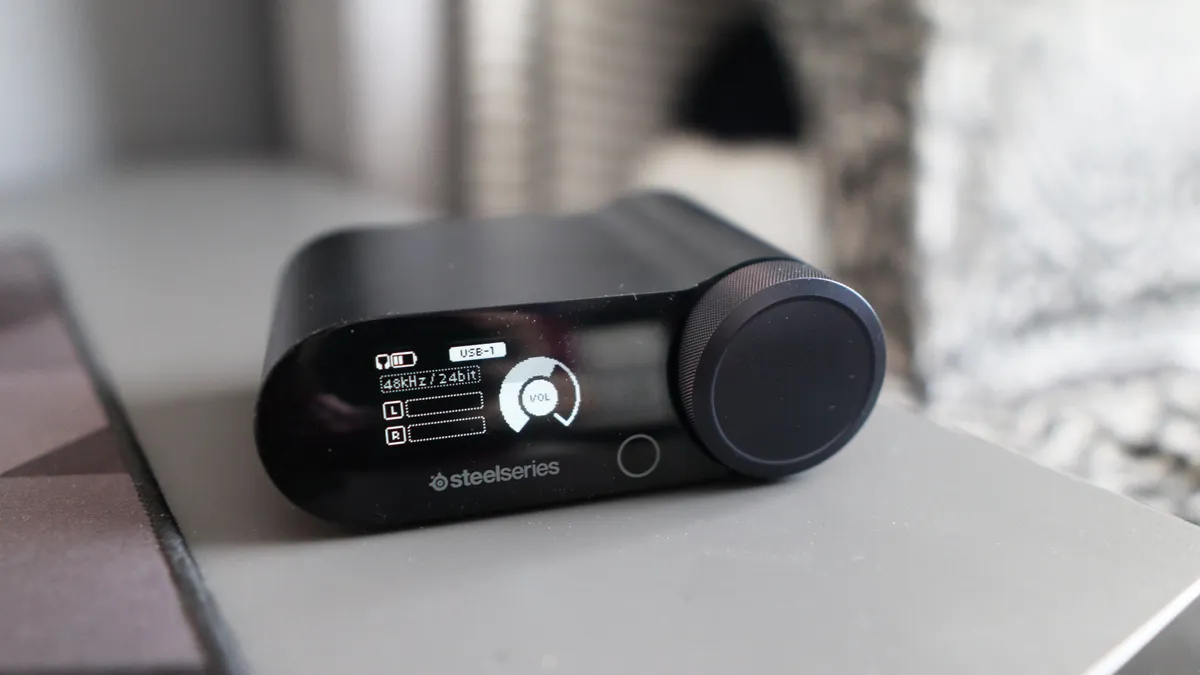
The base station handles three USB-C connections via the clever OmniPlay system, including a port specifically dedicated to Xbox use. SteelSeries also rates this headset to have similarly versatile connectivity to its other options, with PlayStation 5, PC, Mac, Android, iOS, Nintendo Switch and Switch 2, Meta Quest VR headsets, tablets and gaming handhelds. It's a laundry list of connections that makes this a very adaptable choice.
Software control can be handled either on desktop or mobile, with SteelSeries' GG app working for deeper configuration for things such as the parametric EQ, virtual mixing desk, and the enviable amount of game-specific audio presets. You can also deal with spatial audio modes such as Dolby Atmos and Windows Sonic on PC and Xbox, plus Tempest 3D Audio on PS5.
Much like with the new Arctis Nova 7X Wireless Gen 2, SteelSeries has brought in support for the Arctis mobile app that provides another means of control that's more ideal for console or mobile workflows. It gives you access to more than 200 game-specific presets, the same as the desktop app, and a proper parametric EQ (itself with over 300 presets) so you can dial in the frequency response to your taste on platforms other than PC. Considering this headset is marketed as a go-anywhere, do-anything one, it makes perfect sense for feature parity here.
Against the older model, the ANC for the Arctis Nova Pro Omni is much-improved, with it seeming to cancel out a lot more noise by default. This especially went for lower and mid-range noise, be it the thud of my deliberately loud mechanical keyboard, my gaming PC's fans and conversations from an adjoining room. It feels like you could use this headset as a set of noise-cancelling headphones when out and about, rather than just a gaming headset.
It's on the front of drivers and audio where this SteelSeries headset is designed to be a middle ground between the Arctis Nova Pro Wireless and Elite models. It retains similar neodymium magnetic drivers to its predecessor, but they've seen "enhanced audio tuning" to hopefully improve their sound. SteelSeries hasn't opted for carbon fibre drivers here, as with the Arctis Nova Elite.
The key difference, though, is that this headset supports up to fully-fledged 24-bit/96 kHz Hi-Res with supported content. Handy if you want to pair these cans to a more specialist DAP for proper audiophile quality listening, or pair them to your phone with a Tidal subscription in tow.
This works over either 2.4 GHz or Bluetooth with the LC3+ codec (there is also SBC and LC3 on offer), although with the potential caveat of a reduced range against other models in SteelSeries’ canon. For reference, with the Arctis Nova Elite, you can go around 30 feet before things go sour. On other Arctis Nova headsets, you’re looking at close to double.
As for general audio quality, I didn't necessarily feel that the Arctis Nova Pro Omni's tuning deviates too much from the way that the brand's other premium cans are dealt with. There's a pleasant helping of a robust low-end, helping elements such as the relentless, frenetic bass in Brand X's Not Good Enough, See Me!, or the grittier Meanwhile from Steven Wilson.
The mid-range has a lot of punch and detail, with this headset getting across the power of Phil Collins' snare and tom hits in that Brand X track. Moving over to James Taylor's October Road, there's a lovely sense of depth to elements such as his warmer vocal and the inflexions of the acoustic guitar threaded throughout the entire song. It also helps the crispness and prominence of in-game elements, such as footsteps and voices, in my runs of Counter-Strike 2.
The Arctis Nova Pro Omni's treble felt quite smooth and detailed, and wasn't as jarring as with the Arctis Nova Elite, as I found with the percussion in both Steely Dan's Do It Again and throughout Ralph MacDonald's Calypso Breakdown.
I also felt this SteelSeries headset had a very organised and wide soundstage for a set of closed-back cans, in keeping with the dearer Arctis Nova Elite. There's lots of breathing room in tracks such as a live cut of George Benson's Affirmation, while the excellent imaging and placement also helped in Counter-Strike 2 for elements such as footsteps, far-off explosions and gunfire to pinpoint where enemies are.
✅ You want very versatile connectivity: The Arctis Nova Pro Omni impresses with its ability to work with virtually anything over wireless or wired means thanks to its clever base station, plus has nice-to-haves such as better battery life and immense software support.
❌ You want something more affordable: As much as this headset offers a lot of improvements over its predecessor for a modest increase in price, it is still a very expensive headset for most people.
The microphone of the Arctis Nova Pro Omni has been improved in several ways, with it featuring SteelSeries' latest omnidirectional ClearCast Pro mic, that provided some excellent pickup and clarity. Noise rejection for objects immediately in front of the capsule, including music playback from my speakers or my deliberately loud mechanical keyboard, is also decent, and this is carried across all connected systems as it's onboard the headset, rather than just working on a connected PC in software.
The glaring problem that the Omni has is its sheer cost, with it pushing £400/$400 in retail price – to be specific, this headset costs $400/£350. This makes it dearer than rivals, such as the Sony Inzone H9 II and Audeze Maxwell 2.
Sony's choice is perhaps the closest competitor, offering a lighter chassis and strong noise cancellation, although at the expense of connectivity and software support against the Omni. As for the Maxwell, it provides a similarly strong sound with its planar magnetic drivers, but is lacking in comfort for extended periods in being so heavy at just over 500g.
I think all of this has therefore left me very impressed with the SteelSeries Arctis Nova Pro Omni in that it's upgraded against the Arctis Nova Pro Wireless where it mattered, such as with even more versatile connectivity thanks to an updated base station and an even comfier fit, plus stronger noise cancellation and a well-rounded mic. Hi-res audio support is welcome, and this remains one of the best gaming headsets from the standpoint of both versatility and sheer quality. You've just got to be wary of a very high price tag.
1. Best overall:
Razer BlackShark V3
2. Best budget:
Corsair HS55 Stereo
3. Best wired:
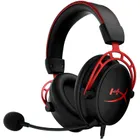
HyperX Cloud Alpha
4. Best mid-range wireless:
SteelSeries Arctis Nova 3X
5. Best audiophile:
Beyerdynamic MMX 330 Pro
6. Best wireless audiophile:
Audeze Maxwell
7. Best for streaming:
Audio-Technica ATH-M50xSTS StreamSet
8. Best noise-cancelling:
AceZone A-Spire
9. Best earbuds:
Steelseries Arctis GameBuds
The Omni improves over SteelSeries' Nova Pro Wireless in virtually every sense to make this one of the most complete headsets out there in 2026, but also one of the most expensive.