


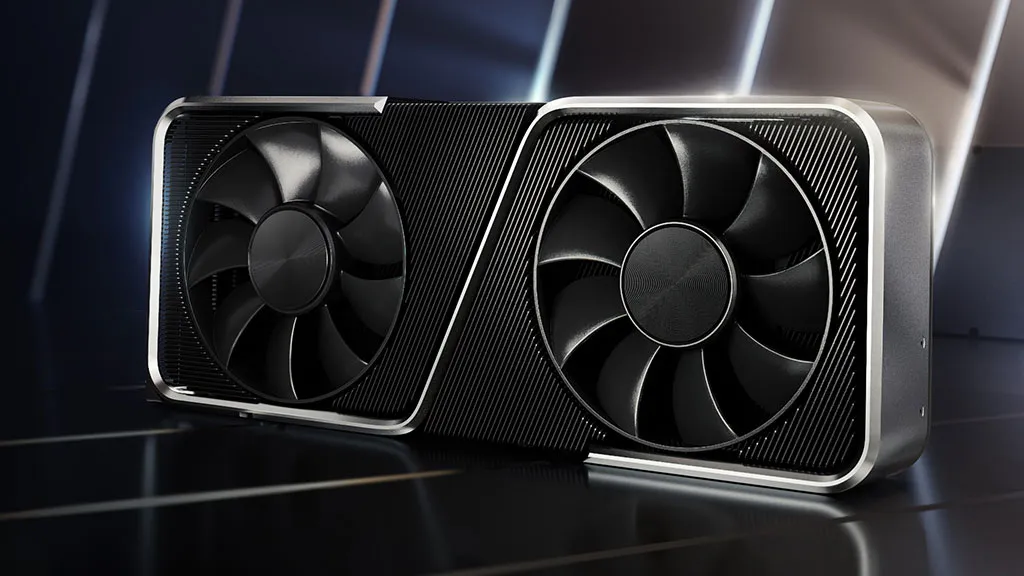
AMD has a long way to go before it closes the gap with rival Nvidia in graphic card shipments, and the gulf just got a little bit wider according to a new GPU shipment report. Meanwhile, Intel is still far and away the biggest supplier of GPUs, a quirk in these kinds of reports because practically every CPU the company sells wields an integrated graphics chip. Those count, even if the consumer isn't using onboard graphics.
Those are the two main categories—overall GPU shipments, which include PC graphics cards, embedded GPUs, console graphics chips, and discrete GPUs in laptops; and discrete GPUs, which narrow the field to PC graphics cards and discrete laptop GPUs.
Looking at the latter, AMD's share of the discrete GPU market slipped to 17% in the second quarter of 2021, down from 19% in the previous quarter, and 20% from the same quarter a year ago, according to the latest report from Jon Peddie Research, a well known market research and consulting firm. What AMD loses, its chief rival gains—Nvidia's share of the discrete GPU market now sits at a dominating 83%.
The numbers roughly align with Steam's hardware survey, which shows the GPU split between AMD and Nvidia being at 15.31% and 75.41%, respectively (Intel makes up the rest).
This is not entirely academic from a consumer standpoint. Market share matters because a dominant position can influence what technologies and optimizations get prioritized from developers. For example, Nvidia's proprietary Deep Learning Super Sampling (DLSS) and AMD's open source FidelityFX Super Resolution upscaling techniques.
They both essentially aim to do the same thing, but go about it in very different ways, and it's up to developers to optimized for one or the other (or both or neither). The saving grace for AMD is that its latest generation GPUs based on RDNA 2 are also implanted inside the latest game consoles (PlayStation 5 and Xbox Series X/S), which could encourage developers to leverage the architecture's capabilities.
It should also be noted that these kinds of breakdowns are not necessarily wholly indicative of consumer preference and normal trends. That's because these are not normal times. A lingering shortage of GPUs means gamers will, for the most part, buy whatever graphics card they can actually get their hands on. This also makes forecasting trends more difficult than it already is.
Best CPU for gaming: the top chips from Intel and AMD
Best graphics card: your perfect pixel-pusher awaits
Best SSD for gaming: get into the game ahead of the rest
"Covid has distorted every forecasting model in the universe—even Moore’s Law has been disrupted. Predictions based on short-term conditions have created conflicting and distorted estimates from some quarters that will be proven wrong and embarrassing," said Jon Peddie, president of JPR.
Normally there would be a seasonal uptick in GPU sales during the holiday season. To prepare, vendors stock up on GPUs in the third quarter. But such strategies "will be constrained until the supply chain catches up with demand," Peddie noted.
In any event, this is how the discrete GPU market looks right now as it gets ready to welcome a third player into the fold, that being Intel and its Arc lineup. Starting with Alchemist, Intel in 2022 will officially compete with AMD and Nvidia in the discrete GPU arena, and it's going to be interesting to see what these market share breakdowns look like a year from now.

