Urgh. Graphics cards. Can't game without 'em, can't actually afford to buy them. Yeah, it's tough right now because the best graphics card is, arguably, the one you can afford right now. And though you might be swayed by the VRAM debate, our own testing shows that in the real world gaming with an 8 GB GPU is absolutely fine in most cases.
Prices had stabilised for a while, we're now seeing them creep upwards again, although some have positively vaulted upwards if we look at the RTX 5060 Ti 16 GB and RTX 5070. Those have entirely priced themselves out of all sanity.
I've tested and gamed on pretty much every new graphics card that's been released in this generation, from the Intel Battlemage cards that launched late 2024, through the initial Nvidia RTX Blackwell launch at the start of 2025, and on to AMD's RDNA 4 cards later last year. I believe that makes me well placed to talk you through what I think today's best graphics card is, and for me it's the AMD Radeon RX 9070.
For most PC gamers this is the graphics card which offers the highest performance for the money, delivering decent 1440p performance, and much improved ray tracing over previous AMD generations of GPU. It's also rocking 16 GB of VRAM to be able to deliver on high graphics settings at that resolution now and into the future, too. It was priced appallingly at launch, but now it's settling down and delivering performance close to the RX 9070 XT and therefore the RTX 5070 Ti, too. It's also been remarkably resilient so far in the face of spiking GPU prices thanks to the ongoing RAMpocalypse.
The absolute top, from a pure performance standpoint, however, still is the Nvidia RTX 5090. That's the best high-end graphics card with no other contenders getting near its mix of style, features, and raw computational grunt. It's also a card where no-one gets close in terms of price, either, especially with prices the way they are right now. In fact it's practically impossible to buy right now from reputable sources, so be careful out there. At the budget end, we can no longer recommend Intel's B570, it doesn't have the value argument anymore and the reliability and relative performance of the RTX 5050 makes that now the best budget graphics card.

Dave first started as a PC hardware journalist, after years of freelance games journalism, way back in 2005 when he started with PC Format magazine. In that role, and many others since, he's tested pretty much every single graphics card generation and architecture released in the intervening years. He's the person best placed around PC Gamer to tell you which graphics card is the best right now, because he's used them all.
October 2, 2026: I've dropped in the latest best GPU pricing for the current generation, and it does not look pretty out there, folks😢
August 21, 2026: I've added in a new review search box, so you can look back through the 100+ graphics card reviews my team and I have done over the years on PC Gamer. I have also added in the latest pricing information after the recent surge.
July 31, 2026: I've added in the latest pricing information from our regular price tracking of the current GPU market.
GPU price tracking
🕹️ RTX 5090: Unavailable from reputable sellers
🕹️ RTX 5080: $1,653 @ Newegg
🕹️ RTX 5070 Ti: $1150 @ Newegg
🕹️ RTX 5070: $779 @ Walmart
🕹️ RTX 5060 Ti 16 GB: $780 @ Amazon
🕹️ RTX 5060 Ti 8 GB: $488 @ Walmart
🕹️ RTX 5060: $380 @ Walmart
🕹️ RTX 5050: $310 @ Walmart
🕹️ RX 9070 XT: $760 @ Best Buy
🕹️ RX 9070: $667 @ Amazon
🕹️ RX 9070 GRE: $570 @ Newegg
🕹️ RX 9060 XT 16 GB: $500 @ Newegg
🕹️ RX 9060 XT 8 GB: $450 @ Amazon
🕹️ Arc B580: $330 @ Newegg
🕹️ Arc B570: $260 @ Newegg
Lowest price per GPU
We've been measuring the lowest available price of each current-gen GPU since August 14, 2025.
| Timestamp (Week) | Nvidia RTX 5080 (Price, $) | Nvidia RTX 5070 Ti (Price, $) | Nvidia RTX 5070 (Price, $) | Nvidia RTX 5060 Ti 16 GB (Price, $) | Nvidia RTX 5060 Ti 8 GB (Price, $) | Nvidia RTX 5060 (Price, $) | Nvidia RTX 5050 (Price, $) | AMD RX 9070 XT (Price, $) | AMD RX 9070 (Price, $) | AMD Radeon RX 9070 GRE (Price, $) | AMD RX 9060 XT 16 GB (Price, $) | AMD RX 9060 XT 8 GB (Price, $) | Intel Arc B580 (Price, $) | Intel Arc B570 (Price, $) |
|---|---|---|---|---|---|---|---|---|---|---|---|---|---|---|
| 1 | 1100 | 780 | 550 | 430 | 368 | 300 | 250 | 700 | 600 | N/A | 370 | 280 | 260 | 230 |
| 2 | 1099 | 750 | 550 | 430 | 340 | 300 | 250 | 700 | 600 | N/A | 370 | 270 | 260 | 230 |
| 3 | 1000 | 750 | 524 | 430 | 370 | 291 | 250 | 700 | 550 | N/A | 370 | 280 | 250 | 230 |
| 4 | 1000 | 750 | 546 | 430 | 345 | 296 | 250 | 695 | 550 | N/A | 370 | 280 | 250 | 230 |
| 5 | 1000 | 749 | 481 | 430 | 340 | 300 | 250 | 670 | 600 | N/A | 350 | 270 | 250 | 230 |
| 6 | 929 | 749 | 499 | 379 | 340 | 289 | 240 | 670 | 600 | N/A | 350 | 270 | 250 | 230 |
| 7 | 999 | 750 | 520 | 430 | 350 | 299 | 240 | 650 | 550 | N/A | 350 | 270 | 250 | 230 |
| 8 | 980 | 749 | 500 | 430 | 342 | 299 | 250 | 650 | 550 | N/A | 350 | 270 | 250 | 200 |
| 9 | 999 | 750 | 500 | 430 | 323 | 299 | 250 | 650 | 560 | N/A | 350 | 270 | 250 | 220 |
| 10 | 989 | 730 | 480 | 430 | 340 | 299 | 250 | 600 | 550 | N/A | 360 | 270 | 250 | 210 |
| 11 | 990 | 699 | 489 | 400 | 320 | 280 | 230 | 600 | 550 | N/A | 340 | 250 | 250 | 200 |
| 12 | 989 | 730 | 500 | 400 | 320 | 279 | 220 | 600 | 530 | N/A | 350 | 275 | 250 | 200 |
| 13 | 1000 | 750 | 527 | 420 | 342 | 279 | 220 | 600 | 530 | N/A | 350 | 280 | 250 | 200 |
| 14 | 1000 | 750 | 540 | 420 | 313 | 279 | 220 | 600 | 530 | N/A | 370 | 280 | 250 | 202 |
| 15 | 1000 | 749 | 499 | 430 | 350 | 279 | 200 | 600 | 530 | N/A | 380 | 288 | 240 | 202 |
| 16 | 1100 | 750 | 499 | 430 | 350 | 270 | 200 | 620 | 530 | N/A | 380 | 288 | 240 | 202 |
| 17 | 1230 | 750 | 549 | 430 | 330 | 260 | 235 | 660 | 580 | N/A | 390 | 310 | 250 | 200 |
| 18 | 1268 | 829 | 540 | 450 | 330 | 290 | 240 | 700 | 580 | N/A | 390 | 310 | 250 | 200 |
| 19 | 1380 | 899 | 549 | 450 | 330 | 299 | 240 | 720 | 580 | N/A | 400 | 310 | 260 | 200 |
| 20 | 1350 | 1000 | 620 | 520 | 330 | 299 | 240 | 720 | 600 | N/A | 440 | 310 | 290 | 200 |
| 21 | 1365 | 950 | 620 | 520 | 351 | 299 | 260 | 730 | 590 | N/A | 440 | 350 | 290 | 250 |
| 22 | 1365 | 950 | 620 | 520 | 360 | 299 | 260 | 730 | 630 | N/A | 400 | 346 | 300 | 250 |
| 23 | 1290 | 950 | 630 | 520 | 360 | 340 | 260 | 730 | 630 | N/A | 440 | 346 | 300 | 250 |
| 24 | 1290 | 950 | 625 | 520 | 360 | 340 | 260 | 730 | 620 | N/A | 440 | 346 | 300 | 250 |
| 25 | 1250 | 950 | 630 | 550 | 360 | 349 | 260 | 730 | 610 | N/A | 440 | 346 | 300 | 250 |
| 26 | 1260 | 950 | 604 | 550 | 360 | 349 | 290 | 730 | 610 | N/A | 440 | 340 | 300 | 250 |
| 27 | 1290 | 950 | 640 | 570 | 360 | 349 | 290 | 730 | 630 | N/A | 440 | 340 | 300 | 250 |
| 28 | 1250 | 900 | 630 | 515 | 390 | 349 | 290 | 720 | 620 | N/A | 440 | 346 | 290 | 250 |
| 29 | 1290 | 990 | 636 | 500 | 390 | 349 | 290 | 710 | 620 | N/A | 449 | 350 | 290 | 250 |
| 30 | 1290 | 990 | 630 | 500 | 390 | 330 | 290 | 710 | 620 | N/A | 440 | 350 | 290 | 260 |
| 31 | 1290 | 990 | 599 | 500 | 380 | 330 | 290 | 670 | 620 | N/A | 440 | 350 | 290 | 260 |
| 32 | 1290 | 990 | 599 | 515 | 380 | 310 | 290 | 710 | 620 | N/A | 430 | 360 | 290 | 260 |
| 33 | 1290 | 980 | 599 | 490 | 400 | 349 | 290 | 710 | 600 | N/A | 430 | 360 | 290 | 260 |
| 34 | 1270 | 980 | 599 | 550 | 380 | 349 | 290 | 710 | 620 | N/A | 440 | 360 | 290 | 260 |
| 35 | 1290 | 900 | 599 | 550 | 380 | 350 | 290 | 700 | 600 | N/A | 430 | 360 | 304 | 260 |
| 36 | 1250 | 980 | 599 | 550 | 370 | 340 | 290 | 700 | 600 | 550 | 440 | 360 | 300 | 260 |
| 37 | 1250 | 980 | 599 | 570 | 370 | 340 | 290 | 700 | 600 | 550 | 440 | 350 | 304 | 250 |
| 38 | 1250 | 980 | 599 | 570 | 370 | 340 | 290 | 700 | 600 | 550 | 440 | 350 | 304 | 250 |
| 39 | 1250 | 920 | 599 | 570 | 330 | 340 | 290 | 700 | 600 | 500 | 400 | 360 | 298 | 250 |
| 40 | 1250 | 955 | 599 | 565 | 330 | 340 | 290 | 700 | 600 | 500 | 430 | 360 | 291 | 260 |
| 41 | 1250 | 900 | 560 | 560 | 330 | 339 | 290 | 700 | 600 | 500 | 430 | 360 | 290 | 250 |
| 42 | 1250 | 950 | 550 | 570 | 380 | 350 | 290 | 690 | 635 | 550 | 450 | 360 | 290 | 260 |
| 43 | 1290 | 1030 | 755 | 650 | 420 | 359 | 299 | 720 | 650 | 500 | 470 | 370 | 310 | 260 |
| 44 | 1479 | 1088 | 763 | 780 | 420 | N/A | 299 | 720 | 650 | 500 | 470 | 400 | 310 | 260 |
| 45 | 1550 | 1150 | 800 | 773 | 389 | 359 | 299 | 730 | 630 | 530 | 460 | 360 | 310 | 260 |
| 46 | 1550 | 1150 | 759 | 570 | 389 | 359 | 299 | 740 | 650 | 530 | 470 | 400 | 310 | 260 |
| 47 | 1450 | 1150 | 725 | 570 | 389 | 359 | 299 | 740 | 650 | 520 | 470 | 409 | 310 | 260 |
| 48 | 1450 | 1150 | 779 | 780 | 389 | 359 | N/A | 760 | 650 | 500 | 470 | 430 | 330 | 260 |
| 49 | 1653 | 1150 | 779 | 780 | 488 | 380 | 310 | 760 | 667 | 570 | 500 | 450 | 330 | 260 |

1. Best overall graphics card: AMD Radeon RX 9070




1440p gaming performance
| Product | Value |
|---|---|
| RX 9070 | 73 Avg FPS, 64 1% Low FPS |
| RTX 5070 | 68 Avg FPS, 60 1% Low FPS |
| RX 9070 XT | 82 Avg FPS, 73 1% Low FPS |
| RTX 5070 Ti | 84 Avg FPS, 74 1% Low FPS |
✅ You want a good 1440p GPU, and a great 1080p one: With the ray tracing updates baked into RDNA 4, the RX 9070 is now a fantastic all-round graphics card. It can nail 1440p and 1080p resolutions at top settings, and can call on FSR and AMD's frame generation feature to give you a boost if you need it.
✅ You're happy to undervolt/overclock: With some easy tweaks in the AMD drivers you can boost the performance of the GPU to within a couple of percentage points of the RX 9070 and RTX 5070 Ti. And the best part is that it doesn't demand a ton more power or cooling to get there, so shouldn't stress you or your fancy new card.
❌ You can find an RX 9070 XT for anything close to the same price: While you can overclock the non-XT card to get within 2% of the performance, prices being equal the XT card is a no-brainer.
🪛 The Radeon RX 9070 is an excellent graphics card if you're looking for high 1440p performance without the almost $1,000 price points of the competing Nvidia cards. With the market as it is, the AMD card is the best GPU for most PC gamers.
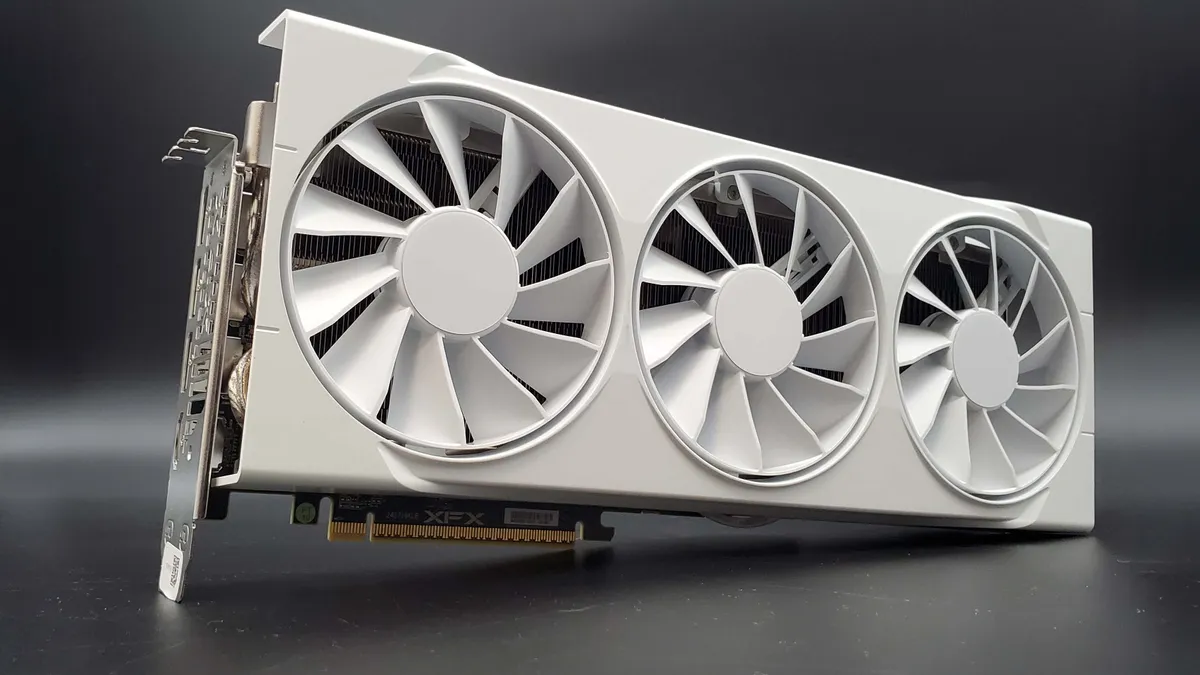
The RX 9070 is a rather agonising pick as the best graphics card around right now. There are inevitable caveats around my decision, because quite obviously this second-tier RDNA 4 GPU is not the most powerful GPU you can buy. The AMD Radeon RX 9070, however, is the graphics card I think makes the most sense to the most PC gamers.
And, realistically, it's going to be the one that I would suggest to my PC gaming friends if they come looking for a recommendation. Luckily, I don't actually have friends.
The RX 9070 offers close to the performance of AMD's most powerful RDNA 4 GPU, still packs in 16 GB of GDDR6 video memory, can be easily overclocked without demanding much more cooling or power, and handily outperforms Nvidia's similarly priced, lower-spec RTX 5070.
I was relatively cool on the card in my initial review of the GPU, mainly because our first taste of it was a card that XFX hiked the price of out the gate, which made it more than a reference RX 9070 XT. As things have evened out, there are reliably cheaper RX 9070 cards around and when you look at the graphics card market as a whole, the Radeon stands out as a great pick.
Yet I still haven't come to that conclusion lightly. My first thought was going to be recommending the $350 RX 9060 XT, because it is great value, performs well, and pretty much offers performance parity with the more expensive Nvidia option. But it doesn't feel like a great recommendation for the best graphics card, given that it is a third-tier Radeon that isn't particularly exciting.
The Radeon RX 9070 XT, though, is a fantastic card and were it not for the ludicrous over-pricing of AMD's finest it would absolutely be my top pick. With an MSRP of $599 it would be an easy choice for its impressive performance out of the box, stunning under-volting frame rate bumps, and the excellent filip of the new FSR4 upscaler. But the cheapest you can get it for these days is still over $700, with the RX 9070 generally under $600 with very similar gaming performance, especially with some judicious undervolting.
In the end, the extra raster performance of the Radeon RX 9070 over the RTX 5070—and how close it can get to the more expensive RTX 5070 Ti and RX 9070 XT GPUs—makes it the best graphics card to buy right now for most PC gamers.

Click through to read our full AMD Radeon RX 9070 review.
2. Best value graphics card: AMD Radeon RX 9060 XT 16 GB


1080p gaming performance
| Product | Value |
|---|---|
| RX 9060 XT 16 GB | 73 Avg FPS, 63 1% Low FPS |
| RX 9060 XT 8 GB | 71 Avg FPS, 58 1% Low FPS |
| RTX 5060 Ti 16 GB | 75 Avg FPS, 65 1% Low FPS |
| RTX 5070 12 GB | 95 Avg FPS, 82 1% Low FPS |
✅ You want a lot of VRAM without spending a ton of cash: The 16 GB version of the RX 9060 XT has an MSRP of $349, and even in these price-inflated times it's regularly available right now for well under $450.
✅ You want an affordable upgrade for modern 1080p or 1440p gaming: Smooth 4K gaming is beyond even the fastest budget cards, but at lower resolutions the RX 9060 XT delivers great performance for the cash, particularly compared to previous generations.
✅ You want bang for your buck: The RX 9060 XT might not be the fastest card on the market, but nothing touches it at this price.
❌ You can really stretch that budget: For under $400 there is nothing that touches the RX 9060 XT, but if you can push on to ~$450 that brings you into RTX 5060 Ti 16 GB territory. That is an overall faster GPU with more overclocking potential.
❌ You want productivity performance: This is a gaming card, through and through, so if you're looking for productivity chops then Nvidia is the way to go.
🪛 The AMD Radeon RX 9060 XT is not a sexy graphics card, it's not the fastest graphics card, but it's an honest GPU that will deliver good gaming performance at the most popular resolutions with top settings. And all for under $400.
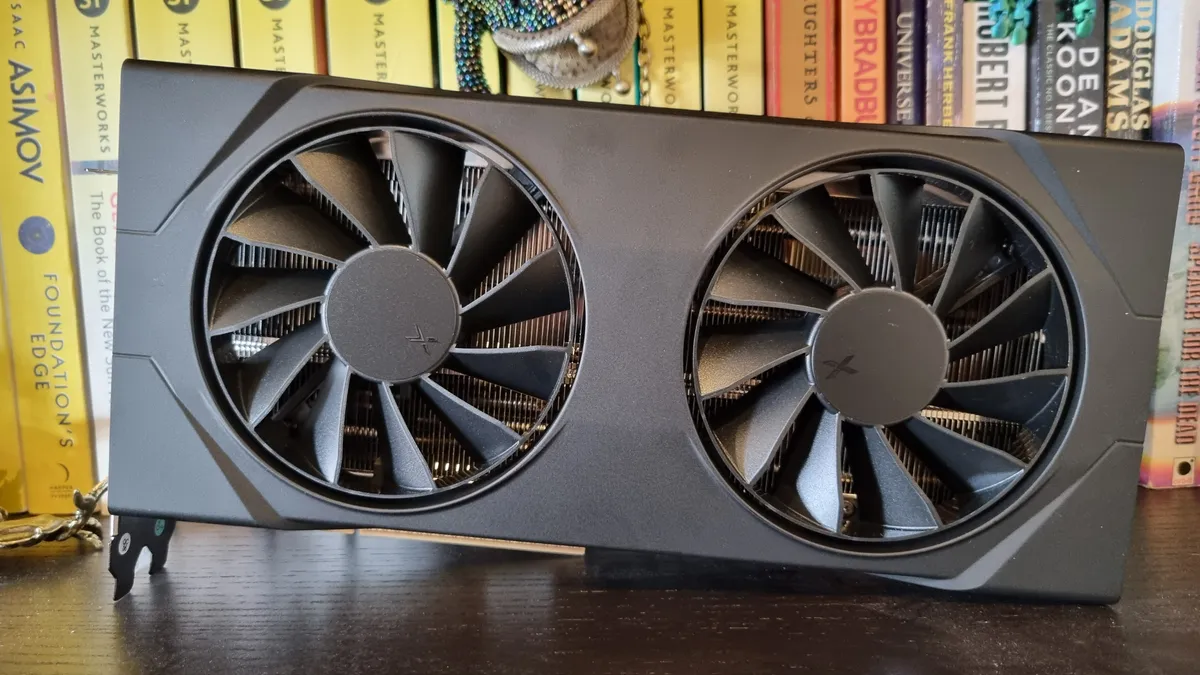
To be able to pick up a genuine 16 GB graphics card, with a seriously performant GPU core at its heart, for around $400 is pretty great. It would be even better if the card in question was actually retailing for its original MSRP, but even at the current slightly over MSRP pricing, the Radeon RX 9060 XT is still our pick for the best value graphics card today.
Okay, the latest AMD RDNA 4 GPU is not quite living up to its launch claims of beating the RTX 5060 Ti, certainly not across our benchmarking suite, but at 1080p the Nvidia card is less than a percentage point ahead on average, and it's by only 3% at 1440p. Effectively, I think we can kinda call that parity.
The GeForce card is more consistently ahead at 4K—even though they both carry 16 GB on the top versions of the card—but neither are capable of actually playable frame rates at that resolution. And even the boon of Multi Frame Generation can't help in reality.
But the parity at 1440p and 1080p itself is impressive for the AMD card, especially when you take into account that we're testing games which have pretty hefty ray tracing workloads in them as part of our benchmarking gauntlet. Historically that's where AMD cards have fallen down against Nvidia, but the new RDNA 4 architecture has changed around how the Radeon cards deal with ray tracing, giving them more dedicated silicon to do the work, and that has made all the difference.
Another area where there has been historic Nvidia dominance is in the feature set, and honestly, the green team still has the edge on that count. The twin pillars of DLSS 4 upscaling and the Multi Frame Generation (MFG) feature do give the GeForce card some real merit. But the quality experience of MFG is very dependent on there being a relatively high, consistent frame rate before the interpolation of up to three extra frames kicks in. That means its effectiveness does diminish lower down the GPU stack.
AMD Radeon RX 9060 XT vs Nvidia RTX 5060
It's worth noting here that it's the 16 GB version of this card that we're recommending here (though if you simply cannot go north of $350, the 8 GB version wouldn't be a bad shout). Both AMD and Nvidia have released twin versions of their cards with 16 and 8 GB VRAM allocations and, given the memory-intensive direction detail-heavy modern games are going, that extra memory headroom will be valuable even if you're gaming at 1440p.
So, our recommendation would be to aim for that 16 GB version if you have the patience to save up a little longer, as it will help in the long run. Then you'll be rocking a real solid, pretty low power GPU, that can stand toe-to-toe with the more expensive Nvidia cards.

Click through to read our full Radeon RX 9060 XT review.
3. Best budget graphics card: Nvidia RTX 5050
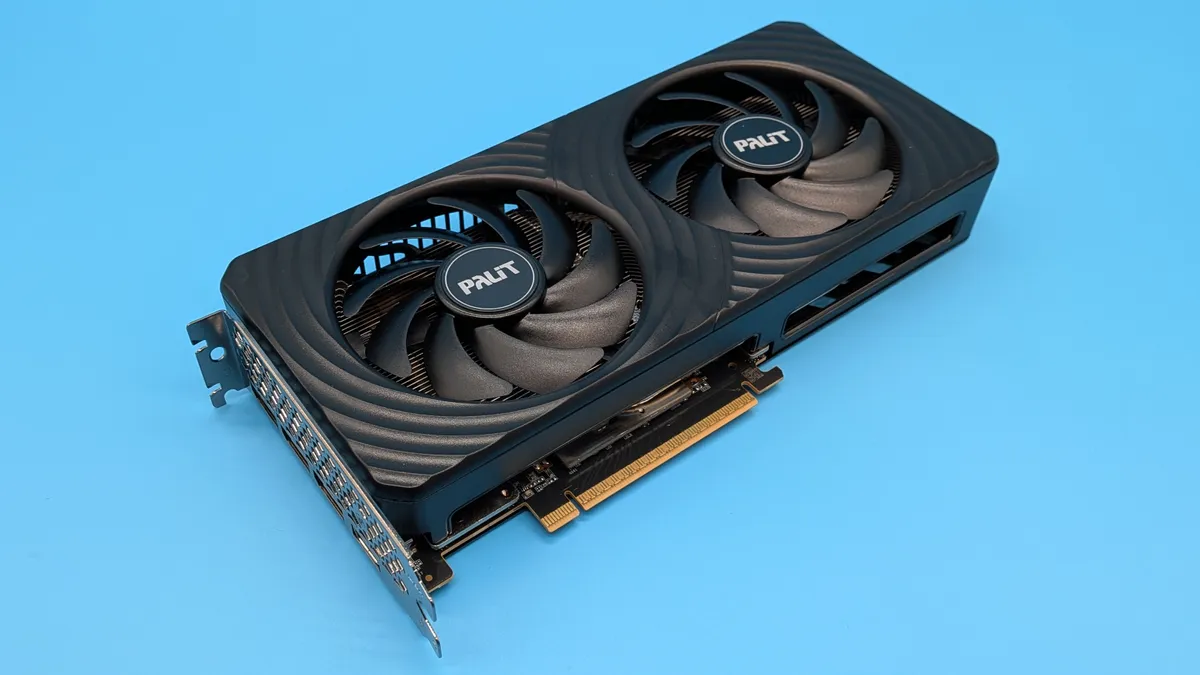


✅ You are on a restrictive budget: At the moment, the cheapest new graphics card you can buy is either the RTX 5050 or Arc B570, and this Nvidia GPU just about has the edge in terms of overall performance and reliability. If you only have ~$250 to spend this is your best option.
❌ You can find an RTX 5060 for a decent price: If you can stretch your budget, the RTX 5060 is a far superior card in terms of its overall gaming frame rates, offering around 28% higher gaming performance at 1080p and 36% more at 1440p, for just 15% more cash.
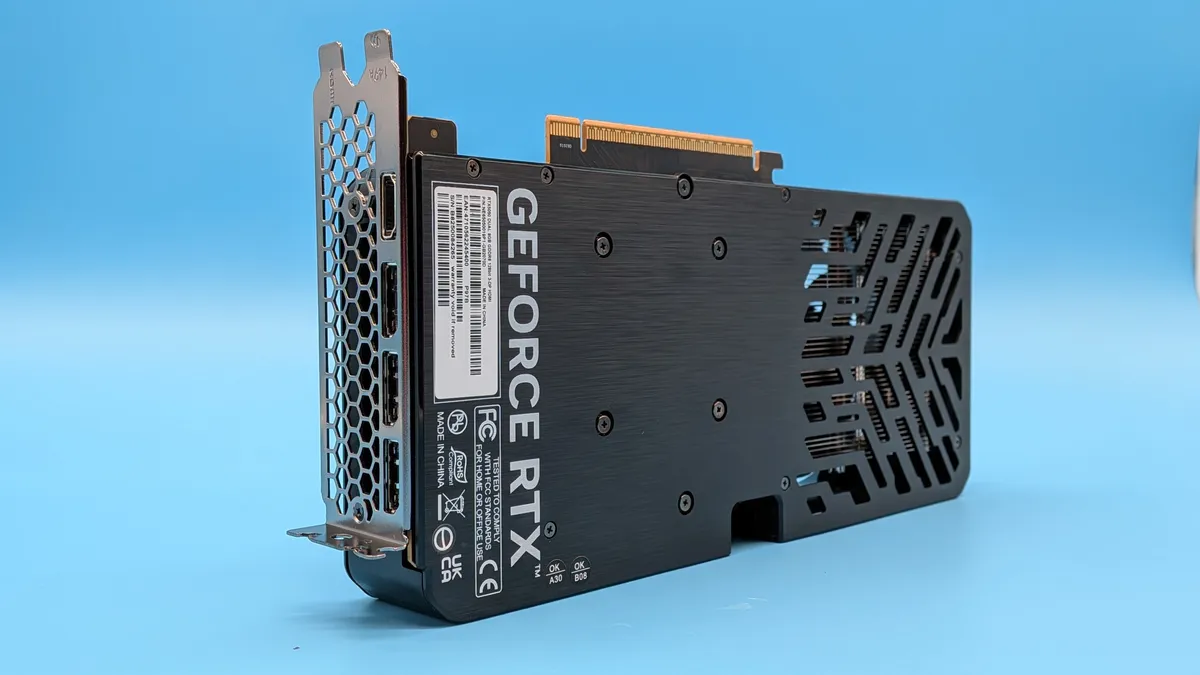
🪛 The Nvidia RTX 5050 is the best budget graphics card at the moment, but only by a hair's breadth. The Arc B570 has lost its value proposition, and it's harder to accept its driver issues when the prices are similar. But the RTX 5060 is only a little more money and a far more capable GPU. Though, if you cannot stretch your budget that far, the RTX 5050 will still deliver a decent 1080p gaming experience.
Difficult GPU recommendations is kinda the theme for this graphics card tier list, and they don't come much tougher than the budget pick. In a world where GPU pricing has been trending ever higher since the memory crisis bit, and even prior to that with the pandemic and ethereum mining booms, it's hard going trying to find a really cheap graphics card that's still worth the money in 2026.
Up to now, the Intel Arc B570 had been our pick as the best budget GPU, because it was sitting under the $200 mark and genuinely had a value proposition to it. But given that the price of Intel's little-card-that-almost-could has gone up quite considerably, where you can find it, it's a much harder GPU to recommend. It's occasional driver issues (Cyberpunk 2077, for example, is still a bit of a mess) are much less forgiveable when it shares approximate pricing to Nvidia's cheapest RTX Blackwell card.
That means, for me, the RTX 5050 is now the go-to pick for best budget graphics card.
It's not an exciting card, doesn't really replace an equivalent GPU from the previous generation (the RTX 4050 was restricted to laptops), and actually comes in a little behind the performance of the last-gen RTX 4060. So yeah, if you're still rocking that older Ada GPU, there's no upgrade for you here.
But what it is, is reliable and relatively cheap. At around the $260 mark it's a similar price to the Arc B570, but suffers from none of the driver issues I've had with the Intel GPU in testing. And it's also generally quicker at 1080p. In our standard GPU test suite, the RTX 5050 posts, on average, 11% higher frame rates than the Intel chip, and 6% higher at 1440p.
You'll note there's a significant difference in that performance delta as the resolutions get more demanding, and in fact it turns around at 4K where the B570 takes an almost 3% lead. That's down to the fact that the Intel card comes with 10 GB off VRAM against the RTX 5050's 8 GB GDDR6.
But, realistically, you're not buying a $260 GPU to game at 4K, and if you are you will be very disappointed whichever card you buy. So, down at this level, the rabid hate for an 8 GB frame buffer makes less sense.
Looking at an frame rate averaged across our 1080p benchmark suite, you get 57 fps from the RTX 5050, while the B570 sits at 51. That means you're getting near 60 fps performance on average, all at the highest performance settings in some of the most demanding games, and notably without upscaling or frame generation.
I will say, however, that when you do take into account Nvidia and Intel's upscaling performance at the low-end, then the performance does even out. Either way, that does then mean you're averaging over 60 fps at 1440p with those options enabled.
Still, when the GeForce GPU is that bit more reliable, that's where I'd be spending my money right now.
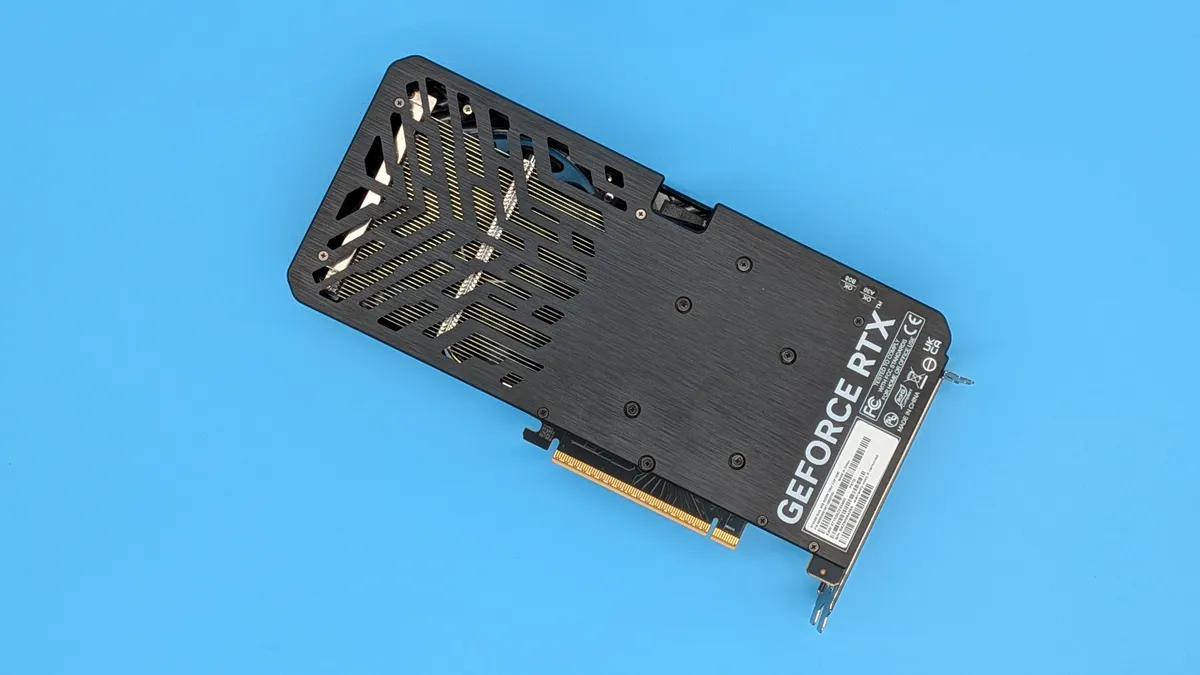
Click through to see our full GeForce RTX 5050 review.
4. Best mid-range graphics card: AMD Radeon RX 9070 XT




✅ You are happy to tweak: This generation has seen an impressive level of headroom built into its GPUs. For AMD that means undervolting, but it means you can get some serious extra performance out of the chip without putting any extra strain on either the power demands or cooling solution.
✅ You were considering the RTX 5070 Ti: The RX 9070 XT gets so close to the RTX 5070 Ti's performance, especially when undervolted, that you can easily forget there's almost $300 difference in their relative prices right now.
❌ The price goes much higher: Thankfully the RX 9070 XT has been remarkably resillient to the price hikes of this generation of graphics cards. Well, of course it is much higher than its original $599 price tag, but considering the RTX 5070 Ti is now almost $1,000 and has seen successive increases, the AMD card is doing okay. For now.
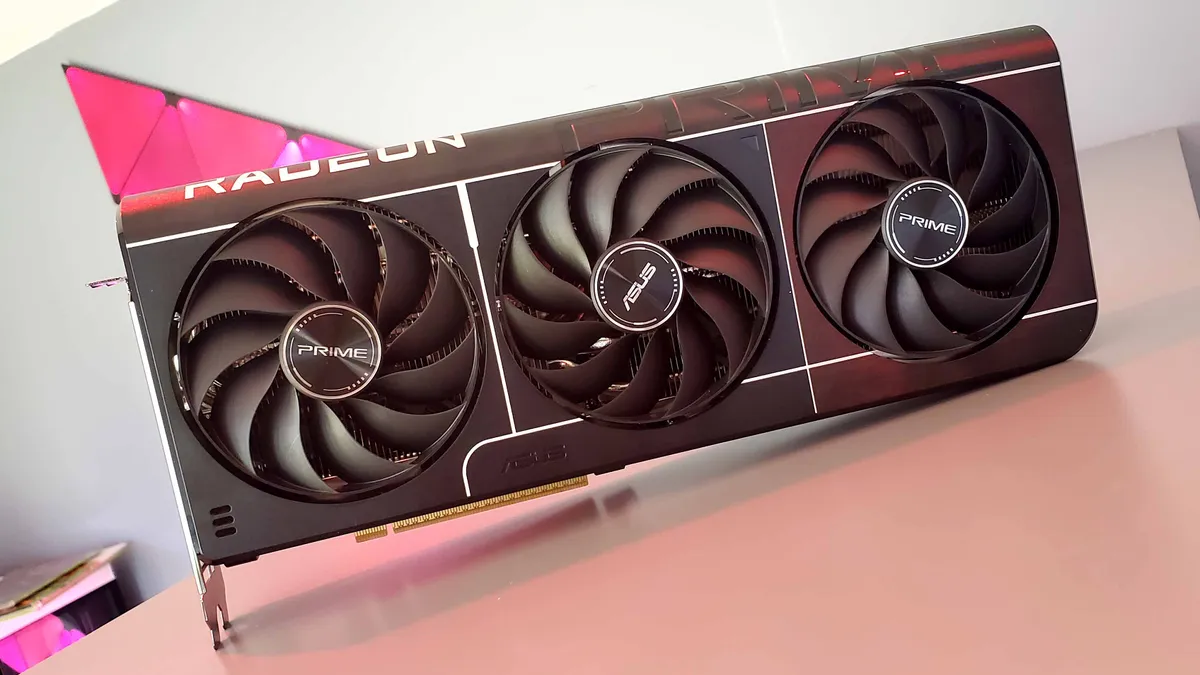
🪛 The AMD Radeon RX 9070 XT is the best mid-range graphics card you can buy right now. I was super keen on the RTX 5070 Ti when it was priced more sensibly. But with the almost $300 price difference between them, and the RX 9070 XT able to deliver almost the same levels of performance, the smart money should be going to AMD.
The AMD Radeon RX 9070 XT is the current best mid-range graphics card you can buy today, though obviously that term is getting stretching mightily by a graphics card that is now regularly retailing for more than $700. But where once it was a straight fight between it and the Nvidia RTX 5070 Ti for the title, the current pricing issues have made that an unfair contest.
Nvidia GPUs, for various reasons, have been more noticeably affected by the price hikes than AMD cards. And here that manifests as an almost $300 price difference between the two once-similarly priced GPUs. Honestly, only a fool would pay that sort of premium for the GeForce card while it remains an almost $1,000 card.
That's because the actual performance delta really isn't that great. You can look at the benchmark numbers up there 👆 and see just how closet there are. Most especially when you take overclocking into account.
Both AMD and Nvidia chips of this generation have an impressive amount of headroom baked into them, accessed in different ways, but both able to deliver a good chunk of extra performance for the eager tweaker. And it's not hard to do either. With the RX 9070 XT it's a case of undervolting the GPU, and thereby giving it some thermal headroom to unlock higher clock speeds and therefore higher frame rates.
And you get all that without increasing the power or thermal demands on the card all that much, either. It really is genuinely and truly worth doing for anyone with an RDNA 4 card in their gaming PC. Free frames, people.
One other thing the RDNA 4 generation of Radeon GPUs brought with it was FSR 4. More than just an iterative improvement of AMD's upscaling tech, FSR 4 represents a fundamental change in how its graphics cards approach the problem, bringing them more in line with how Nvidia does it. That means it's taking a machine learning approach for the first time, and is delivering genuinely impressive levels of image and motion clarity for cards like the RX 9070 XT.
Running games in 4K with FSR 4 Performance mode and I would challenge you to be able to tell the difference between that and a native 4K render in normal gameplay without resorting to pixel-peeping.
The only slight fly in the ointment is the fact the RX 9070 is less than $100 cheaper than the RX 9070 XT and is pretty performant in its own right. It's not quite as quick, but it's impressive enough in its own right to be our overall pick as best GPU right now. But if you are looking for the next step up without spending $1,000 then this is that card.

Click through to read our full AMD Radeon RX 9070 XT review.
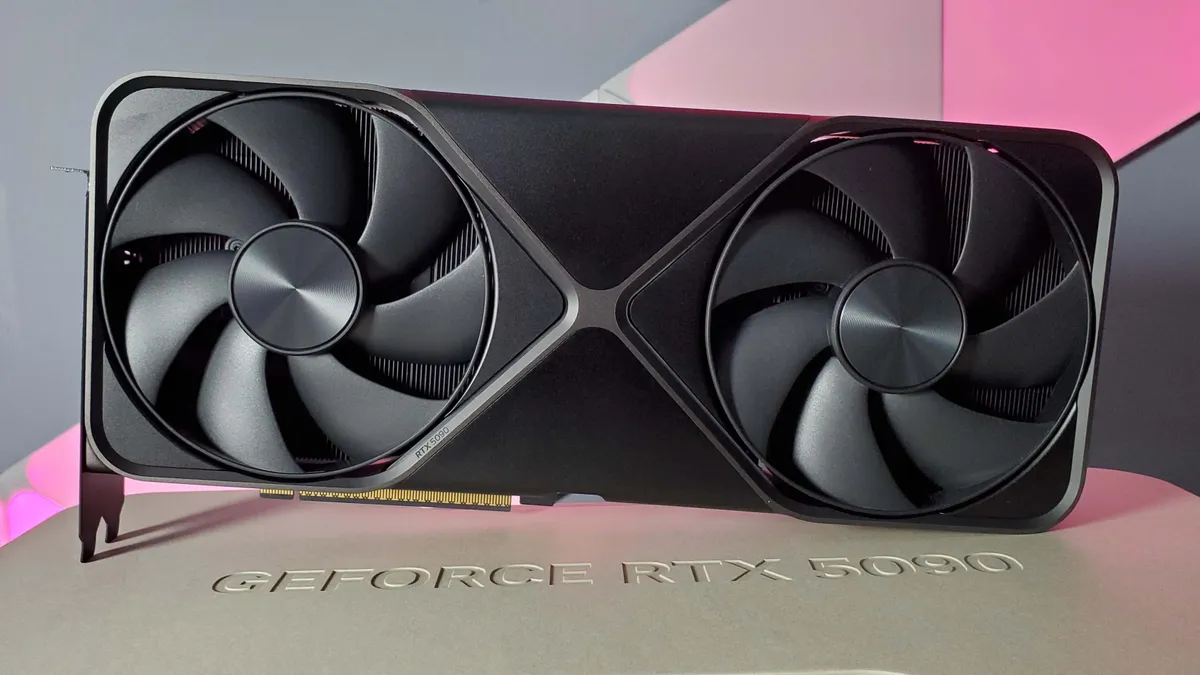
5. Best high-end graphics card: Nvidia GeForce RTX 5090
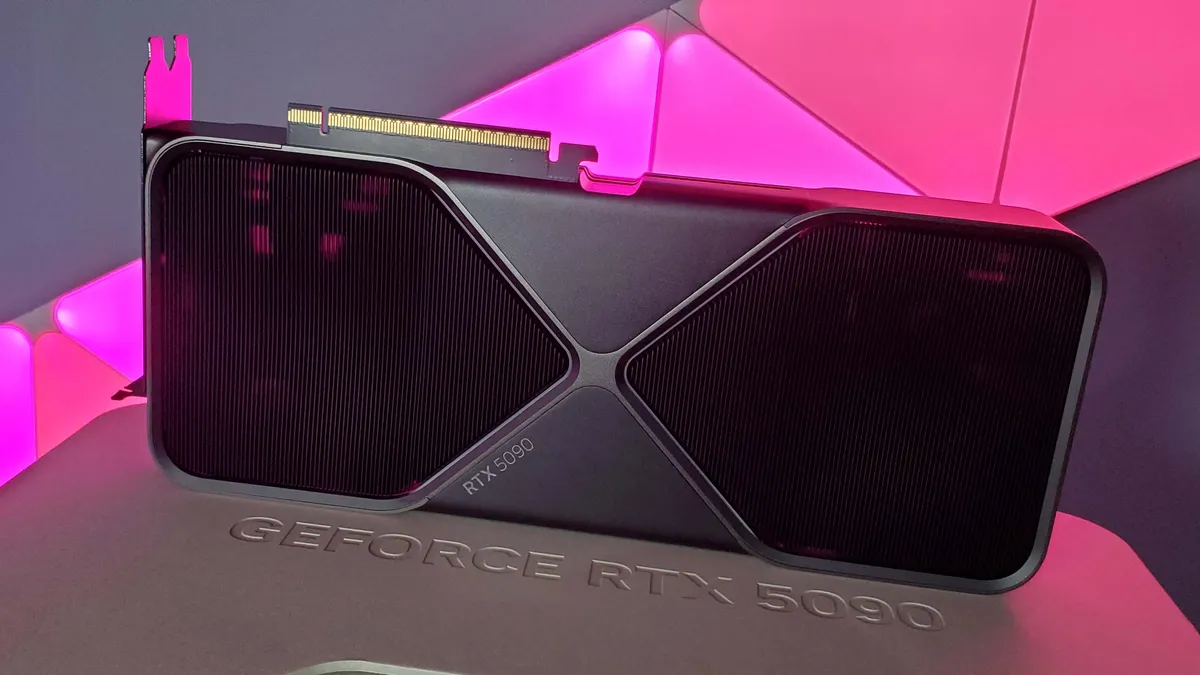

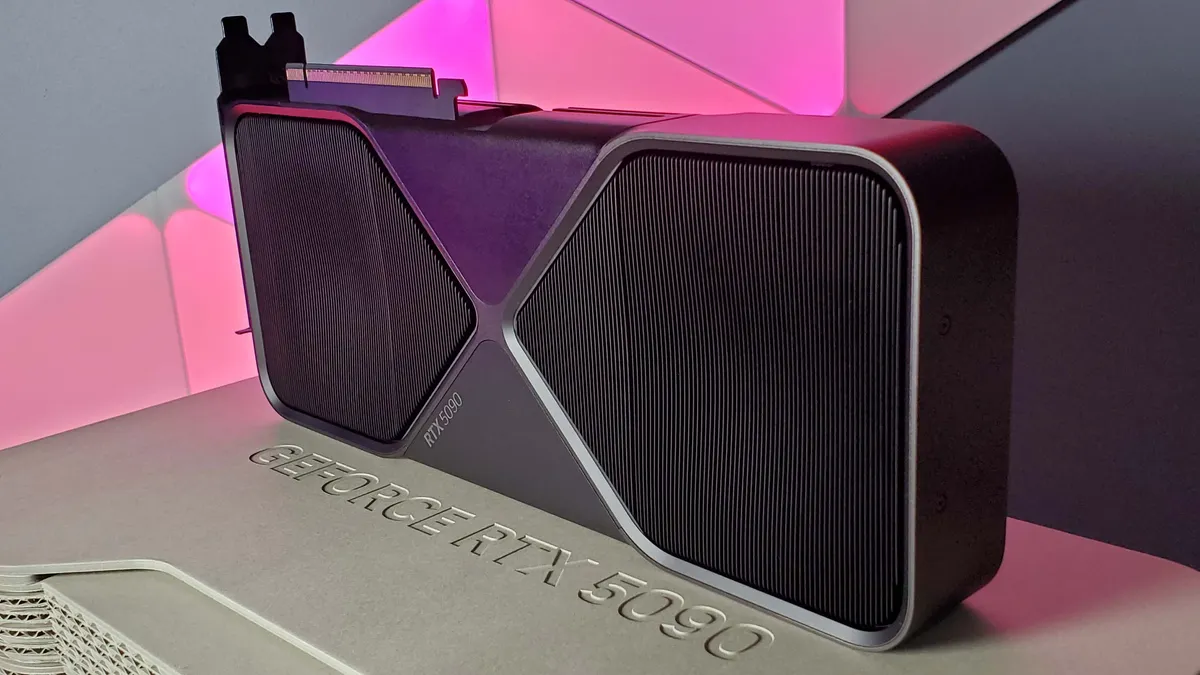

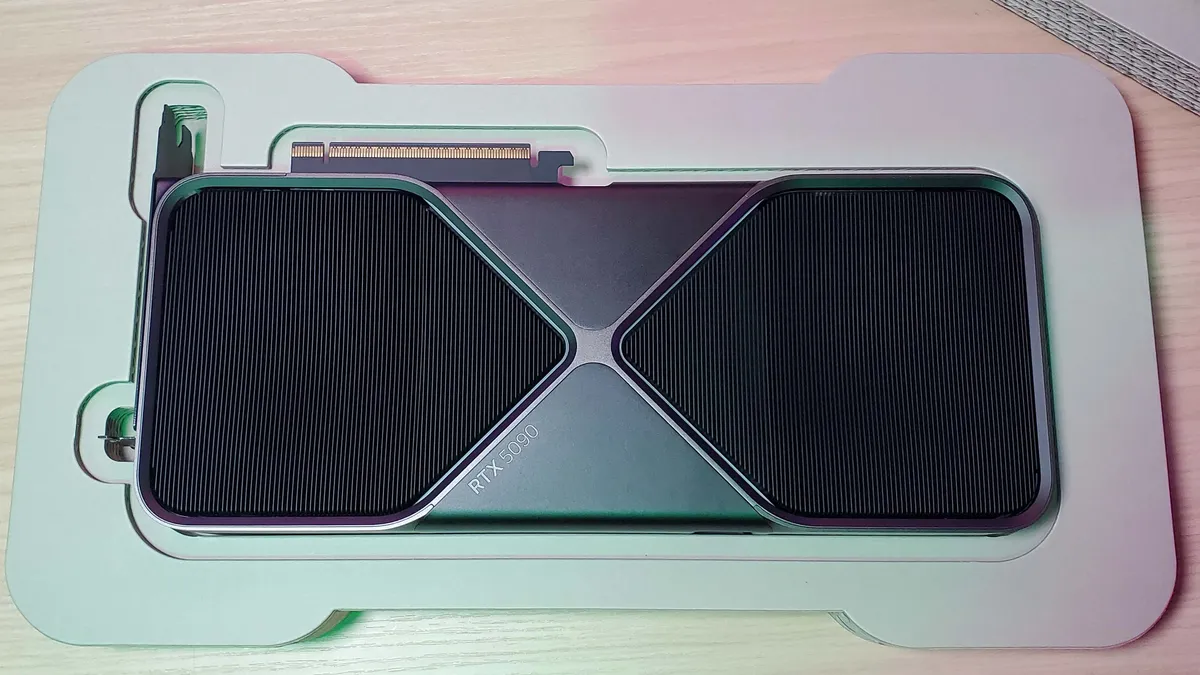
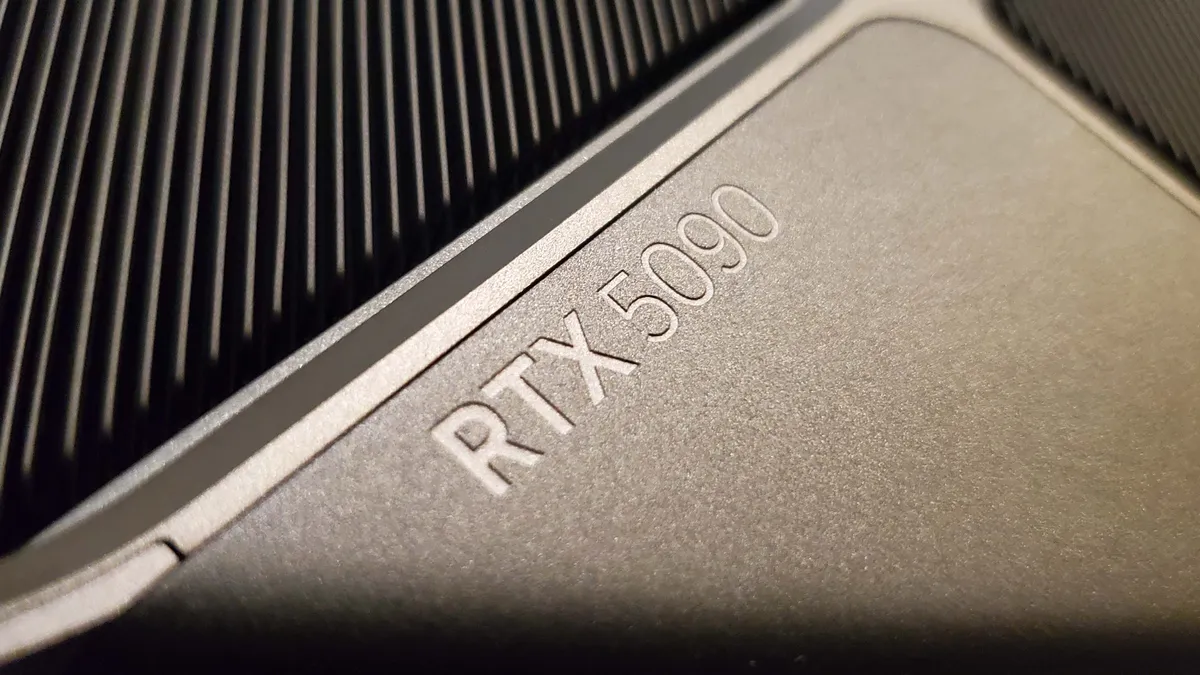
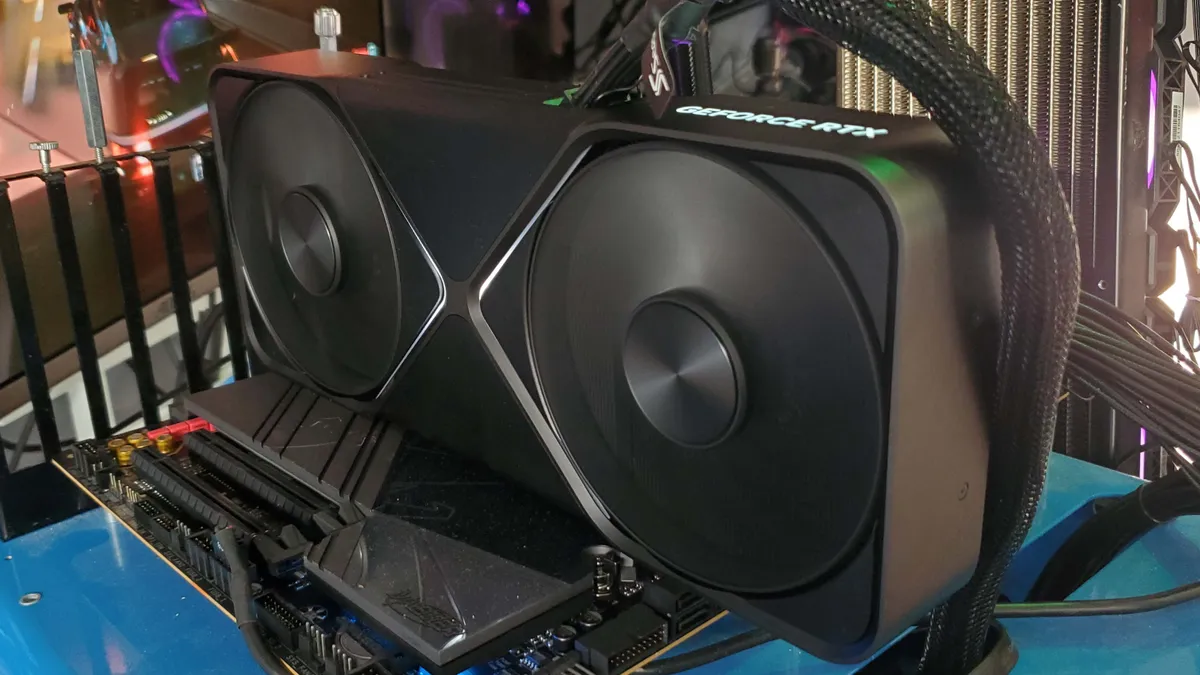

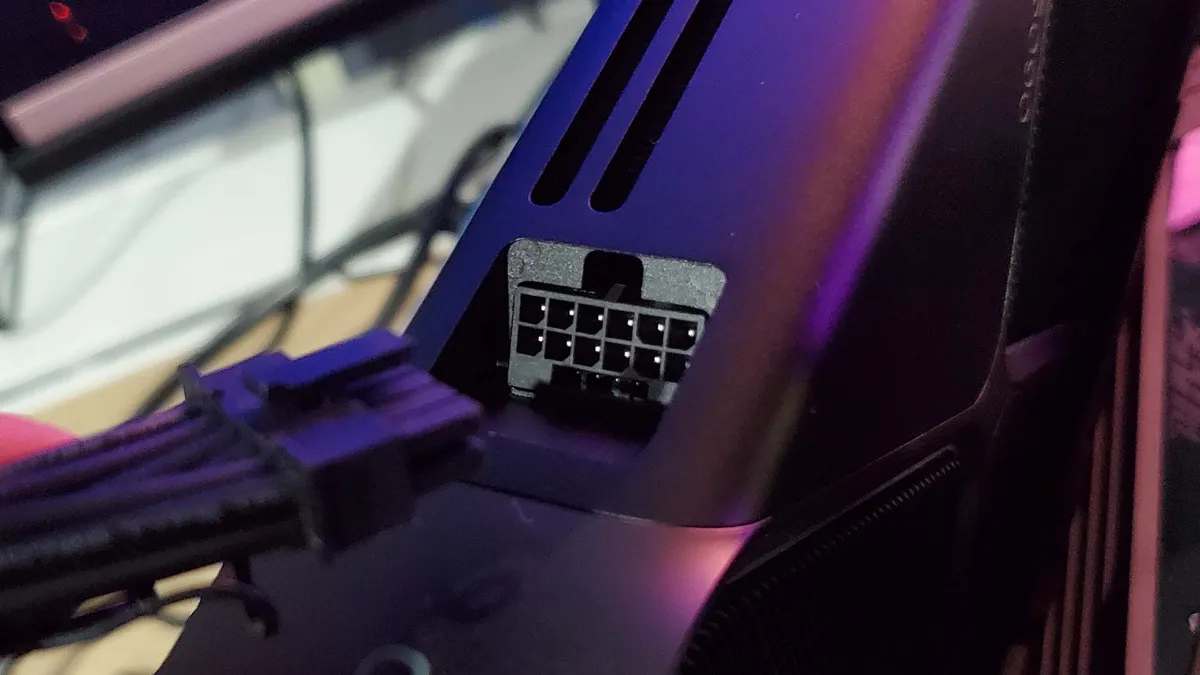


✅ You want the best: If you want to nail triple figure frame rates in the latest 4K games, then you're going to need the might and magic of Multi Frame Gen, and that's only available with the RTX 50-series cards. And yes, I do like alliteration.
✅ You to get in on the ground floor of neural rendering: The RTX Blackwell GPUs are the first chips to come with a full set of shaders that will have direct access to the Tensor Cores of the card. That will enable a new world of AI-powered gaming features... when devs get around to using them in released games.
✅ You're after a hyper-powerful SFF rig: The Founders Edition is deliciously slimline, and while it generates a lot of heat it will fit in some of the smallest small form factor PC chassis around.
❌ You need to ask the price: With a $400 price hike over the RTX 4090, the new RTX 5090 is a whole lot of cash at its $1,999 MSRP. The kicker, however, is that you'll be lucky to find one at that price given the third-party cards are looking like $3,700+ right now.
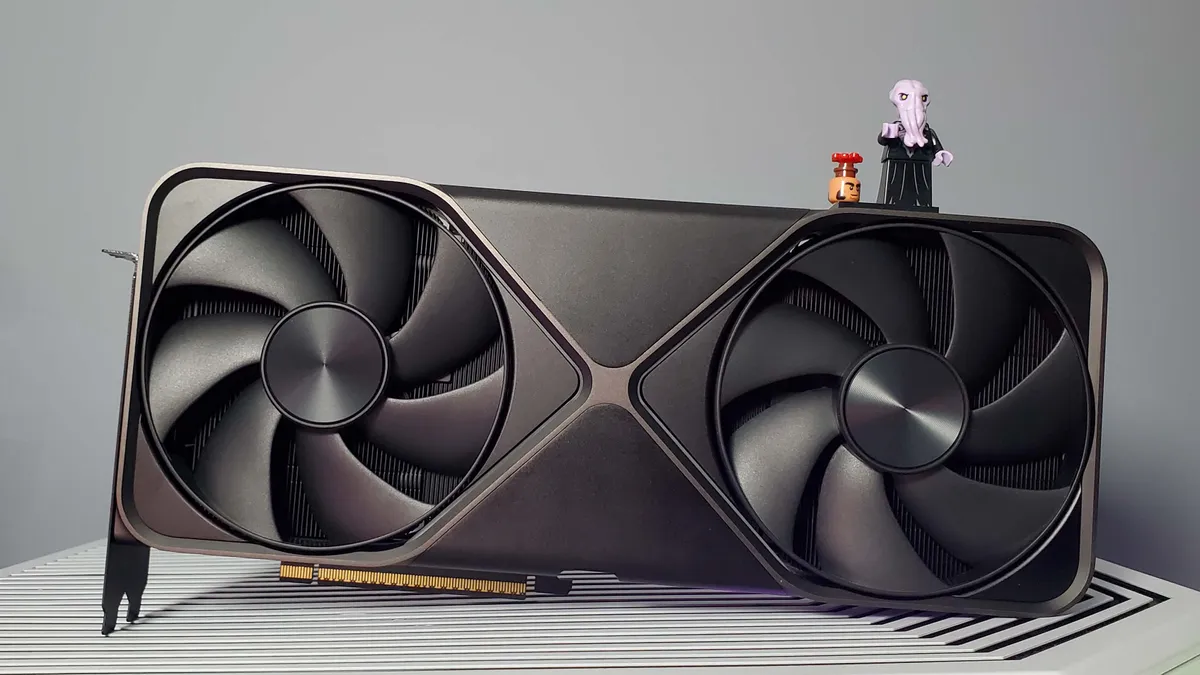
🪛 The RTX 5090 is the most powerful consumer graphics card on the planet right now, and delivers gaming performance far beyond what you could manage on other GPUs, especially if you're playing something which supports Multi Frame Generation.
The RTX Blackwell generation of new GPUs has kicked off with a bang, and means that right now, the best graphics card is undoubtedly the Nvidia RTX 5090. And is likely to remain that way for the next two years at least. Given the fact that AMD isn't going to release a competitor card for the top GeForce GPU in the RDNA 4 generation, you can be confident if you pick one of these up today (or when they come back in stock) you will still be gaming on the best GPU probably until the next Nvidia generation is released.
While that might make for miserable reading for AMD fans, it should be a little more comforting for anyone hellbent on spending $3,700+ on a new graphics card. It will, at least, last the course at the top of benchmarking tree. The fact that current pricing has almost doubled the cost of the RTX 5090, however, should give anyone considering it for gaming serious pause for thought.
You are only getting some 30% extra gen-on-gen performance over the RTX 4090 at 4K, and that is the smallest performance bump over a previous generation's top card since Turing came along. But there's a magic trick up the sleeve of the RTX Blackwell cards, and that is Multi Frame Generation.
Right now, it's limited to the RTX 50-series—else it would likely cannibalise sales to a huge extent down the stack if RTX 40-series GPUs were allowed into the MFG party—and it adds in up to three more frames in between each actually rendered pair. Using a feature called Flip Metering, which utilises an enhanced bit of silicon in the RTX 50-series Display Engine, it offloads all the burden of frame pacing from the CPU, puts it all on the GPU, and allows the RTX 5090 to queue up all these extra AI-generated frames perfectly for the display.
Along with a new AI-based frame generation model, Multi Frame Generation is able to hugely increase the potential performance of the RTX 5090 in any game which supports it, and the results are frankly incredible. There are some small artifacts—though nothing that would stop me using the feature—but the really impressive thing is that it adds practically no extra latency on top of the standard 2x Frame Generation experience.
And that itself has been lowered thanks to that new FG AI model which makes it 40% quicker and 30% less VRAM hungry at the same time. The good news for RTX 40-series patrons is that model at least is coming to standard Frame Gen in the Ada generation, too.
There are also a ton of games at launch with immediate compatibility with MFG, either with it natively implemented in the game, à la Cyberpunk 2077, or via the new DLSS Override feature in the Nvidia App, as in Dragon Age: The Veilguard.
It's also the most powerful consumer GPU when it comes to creator tasks, too, thanks to its hefty 32 GB of GDDR7 and its massive bandwidth, but also because it's so damned good with an AI noodling if GenAI is your thing.
In short, the RTX 5090 is the best graphics card for anyone who wants the absolute finest silicon and feature set of any consumer GPU going. You're just going to have to pay through the nose for it until stock settles down. If it ever does to an extent that MSRP versions of the card become readily available.
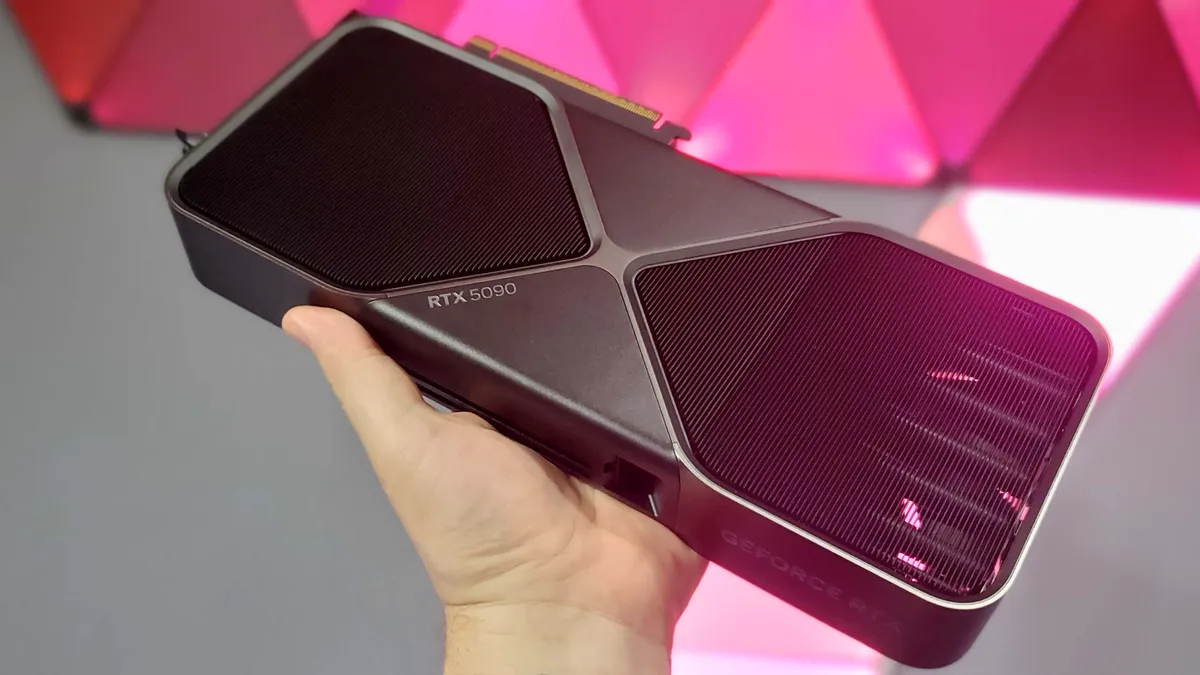
Click through to read our full Nvidia GeForce RTX 5090 review.
How we test graphics cards

I have been benchmarking graphics cards since the 2000s, and have used many different games, applications, and methodologies over the intervening years. And, for the most part, testing GPUs is a largely objective process; you test the silicon in different ways, come out with a set of benchmark figures which you then compare against another set of numbers from a different card, or cards, to be able to objectively tell which is empirically the best.
Our current GPU test suite consists of Black Myth Wukong, Cyberpunk 2077, F1 24, Homeworld 3, Metro Exodus Enhanced Edition, The Talos Principle 2, andTotal War: Warhammer III for our gaming tests. These tests are carried out using the same game and system settings across all the graphics cards we test, and are run at 1080p, 1440p, and 4K resolutions.
We measure using both the average frame rate and the 1% Low FPS figure. This gives us a general measure of in-game performance as well as allowing us to see just how consistent that frame rate level is. The 1% Low FPS measure shows the average of the highest 1% of frame times in any given benchmarking run. Translating that into frames per second (1000/x ms) gives us the data to show whether there are regularly large drops in performance or whether it's relatively stable.
We capture this data using the Nvidia Frameview app running over the top of whatever game we are benchmarking, whether the game will give its own data output or not.
We also use the UL suite of benchmark software to get some synthetic testing done against high-end rastererisation performance with 3DMark Time Spy Extreme, and ray tracing performance with 3DMark Port Royal.

With the new RTX Blackwell cards, we've also been using a selection of games to help us get a bead on the impact of Multi Frame Generation on both frame rate and PC latency, too. As well as retesting different levels of MFG (at either 1440p for lower end cards or 4K for high-end GPUs) with Cyberpunk 2077, we also use the ultra-demanding Alan Wake 2 and Dragon Age: Veilguard for its implementation via the Nvidia App.
Actual gaming performance isn't the whole story with graphics cards, however, as they are used for different uses outside of gaming. While we are PC Gamer, we know that some people want to be able to use their PC for 3D rendering, editing, or generative AI uses, and so we run the Blender benchmark, PugetBench for DaVinci Resolve, and Procyon's image generation benchmark using StableDiffusion.
We also capture a ton of system data, too, using the Nvidia PCAT tool (a riser board which sits between the GPU and PCIe slot) to measure actual graphics card power draw. This means we can track both peak and average power use when gaming, and a given GPU's performance per Watt metrics, too.
For this we use three back-to-back runs of the Metro Exodus Enhanced Edition benchmark, at 1080p and 4K, to give us the power numbers, as well as peak and average temperatures and average GPU clock speed, too.
On top of this we will also test the overclocking capabilities of graphics cards, by pushing them as far as we can using standard overclocking methodologies; ie. the same as you would be able to easily do at home. No LN2 sniffing going on here.
But there are also subjective measures which come into play when actually picking the best graphics card. And that all comes down to a consistent driver experience when using the GPU, how loud the cooling fans can get, whether there is discomforting coil whine or other electrical noise, and just how much damned money manufacturers are charging for these cards.
In short, there's a lot that goes into our testing.
In the PC Gamer office—and sometimes my own satellite office up the hill if I'm testing into the wee hours of the morning—we have a dedicated test rig that we use for testing graphics cards. This is our AMD Ryzen 7 9800X3D-based system:
CPU: AMD Ryzen 7 9800X3D | Motherboard: Gigabyte X870E Aorus Master | RAM: G.Skill 32 GB DDR5-6000 CAS 30 | Cooler: Corsair H170i Elite Capellix | SSD: 2 TB Crucial T700 | PSU: Seasonic Prime TX 1600W | Case: DimasTech Mini V2
We also have two other systems, kindly provided by MSI and CyberpowerPC, which we use if another member of the team, such as Jacob, Nick, or Andy, need to benchmark a card. These travel around the UK, and both house the same set of components so we can maintain multiple testing PCs which deliver data we can use to accurate reference other cards.
Where are the best graphics card deals?
US prices
PC Gamer's got your back Our experienced team dedicates many hours to every review, to really get to the heart of what matters most to you. Find out more about how we evaluate games and hardware.
🕹️ RTX 5080: $1,290 @ Best Buy
🕹️ RTX 5070 Ti: $990 @ Amazon
🕹️ RTX 5070: $599 @ Walmart
🕹️ RTX 5060 Ti 16 GB: $500 @ Walmart
🕹️ RTX 5060 Ti 8 GB: $380 @ Newegg
🕹️ RTX 5060: $330 @ Amazon
🕹️ RTX 5050: $290 @ Amazon
🕹️ RX 9070 XT: $710 @ Newegg
🕹️ RX 9070: $620 @ Amazon
🕹️ RX 9060 XT 16 GB: $440 @ Newegg
🕹️ RX 9060 XT 8 GB: $350 @ Amazon
🕹️ Arc B580: $290 @ Newegg
🕹️ Arc B570: $260 @ Amazon
UK prices
🕹️ RTX 5080: £1,100 @ Overclockers
🕹️ RTX 5070 Ti: £819 @ Overclockers
🕹️ RTX 5070: £518 @ Overclockers
🕹️ RTX 5060 Ti 16 GB: £470 @ Overclockers
🕹️ RTX 5060 Ti 8 GB: £333 @ Currys
🕹️ RTX 5060: £278 @ Overclockers
🕹️ RTX 5050: £240 @ Overclockers
🕹️ RX 9070 XT: £630 @ Amazon
🕹️ RX 9070: £560 @ Overclockers
🕹️ RX 9060 XT 16 GB: £378 @ Scan
🕹️ RX 9060 XT 8 GB: £275 @ Overclockers
🕹️ Arc B570: £190 @ Currys
- Amazon - save on current and last-gen Nvidia & AMD graphics cards
- Best Buy - the only place to buy Founders Edition cards in the US
- Walmart - discounts of over $100
- B&H Photo - save up to $50 on select GPUs
- Newegg - discounts and offers on Nvidia and AMD graphics cards
GPU hierarchy
Below we have listed multiple generations of graphics card based on a simple 3DMark Time Spy Extreme GPU index score. This is only a rough approximation of relative gaming performance between the different graphics cards, as there is more variance than just with a single synthetic benchmark, but it is still a good snap shot of where the cards stack up against each other.
Rank |
Graphics card |
3DMark Time Spy Extreme score |
Header Cell - Column 3 |
|---|---|---|---|
1 |
Nvidia RTX 5090 |
25206 |
Row 0 - Cell 3 |
2 |
Nvidia RTX 4090 |
19453 |
Row 1 - Cell 3 |
3 |
Nvidia RTX 5080 |
16252 |
Row 2 - Cell 3 |
4 |
AMD RX 9070 XT |
14315 |
Row 3 - Cell 3 |
5 |
Nvidia RTX 4080 Super |
14219 |
Row 4 - Cell 3 |
6 |
Nvidia RTX 4080 |
14067 |
Row 5 - Cell 3 |
7 |
Nvidia RTX 5070 Ti |
13534 |
Row 6 - Cell 3 |
8 |
AMD RX 7900 XTX |
12751 |
Row 7 - Cell 3 |
9 |
AMD RX 9070 |
12647 |
Row 8 - Cell 3 |
10 |
AMD RX 7900 XT |
12686 |
Row 9 - Cell 3 |
11 |
Nvidia RTX 4070 Ti Super |
11887 |
Row 10 - Cell 3 |
12 |
Nvidia RTX 3090 Ti |
11249 |
Row 11 - Cell 3 |
13 |
Nvidia RTX 4070 Ti |
10973 |
Row 12 - Cell 3 |
14 |
Nvidia RTX 5070 |
10670 |
Row 13 - Cell 3 |
15 |
Nvidia RTX 3090 |
10217 |
Row 14 - Cell 3 |
16 |
AMD RX 6950 XT |
10199 |
Row 15 - Cell 3 |
17 |
Nvidia RTX 3080 Ti |
9946 |
Row 16 - Cell 3 |
18 |
Nvidia RTX 4070 Super |
9890 |
Row 17 - Cell 3 |
19 |
AMD RX 6900 XT |
9003 |
Row 18 - Cell 3 |
20 |
AMD RX 7800 XT |
8953 |
Row 19 - Cell 3 |
21 |
Nvidia RTX 3080 10GB |
8692 |
Row 20 - Cell 3 |
22 |
Nvidia RTX 4070 |
8573 |
Row 21 - Cell 3 |
23 |
AMD RX 6800 XT |
8454 |
Row 22 - Cell 3 |
24 |
AMD RX 9060 XT |
7664 |
Row 23 - Cell 3 |
25 |
AMD RX 7700 XT |
7653 |
Row 24 - Cell 3 |
26 |
Nvidia RTX 3070 Ti |
7281 |
Row 25 - Cell 3 |
27 |
Nvidia RTX 5060 Ti |
7261 |
Row 26 - Cell 3 |
28 |
AMD RX 9060 XT 16 GB |
7229 |
Row 27 - Cell 3 |
29 |
AMD RX 6800 |
7095 |
Row 28 - Cell 3 |
30 |
AMD RX 9060 XT 8 GB |
6944 |
Row 29 - Cell 3 |
31 |
Intel Arc B580 |
6849 |
Row 30 - Cell 3 |
32 |
Nvidia RTX 3070 |
6803 |
Row 31 - Cell 3 |
33 |
Nvidia RTX 2080 Ti |
6422 |
Row 32 - Cell 3 |
34 |
Nvidia RTX 5060 |
6379 |
Row 33 - Cell 3 |
35 |
AMD RX 6750 XT |
6341 |
Row 34 - Cell 3 |
36 |
Nvidia RTX 4060 Ti |
6296 |
Row 35 - Cell 3 |
37 |
AMD RX 6700 XT |
5879 |
Row 36 - Cell 3 |
38 |
Nvidia RTX 3060 Ti |
5841 |
Row 37 - Cell 3 |
39 |
Intel Arc B570 |
5790 |
Row 38 - Cell 3 |
40 |
Nvidia RTX 2080 Super |
5360 |
Row 39 - Cell 3 |
41 |
AMD RX 6700 |
5146 |
Row 40 - Cell 3 |
42 |
AMD RX 7600 |
4993 |
Row 41 - Cell 3 |
43 |
Nvidia RTX 5050 |
4949 |
Row 42 - Cell 3 |
44 |
Nvidia RTX 4060 |
4930 |
Row 43 - Cell 3 |
45 |
AMD RX 6650 XT |
4743 |
Row 44 - Cell 3 |
46 |
AMD RX 6600 XT |
4310 |
Row 45 - Cell 3 |
47 |
AMD RX 5700 XT |
4217 |
Row 46 - Cell 3 |
48 |
Nvidia RTX 3060 |
3961 |
Row 47 - Cell 3 |
49 |
AMD RX 6600 |
3719 |
Row 48 - Cell 3 |
50 |
Nvidia RTX 2060 |
3346 |
Row 49 - Cell 3 |
51 |
Nvidia GTX 1660 Ti |
2887 |
Row 50 - Cell 3 |
52 |
Nvidia GTX 1660 Super |
2812 |
Row 51 - Cell 3 |
53 |
Nvidia RTX 3050 |
2743 |
Row 52 - Cell 3 |
54 |
Nvidia GTX 1660 |
2466 |
Row 53 - Cell 3 |
55 |
AMD RX 6500 XT |
2287 |
Row 54 - Cell 3 |
56 |
AMD RX 5500 XT |
2267 |
Row 55 - Cell 3 |
57 |
Nvidia GTX 1650 Super |
2071 |
Row 56 - Cell 3 |
58 |
Nvidia GTX 1650 |
1594 |
Row 57 - Cell 3 |
Nvidia GPU specs
Model |
MSRP (US$) |
Launch |
GPU |
Lithography |
CUDA cores |
Memory size (GB) |
Die size (mm²) |
Transistors (B) |
SM count |
TMUs |
ROPs |
Tensor cores |
RT cores |
L2 cache (MB) |
Boost clock (MHz) |
Memory type |
Memory bus width (bits) |
Memory bandwidth (GB/s) |
TDP (W) |
|---|---|---|---|---|---|---|---|---|---|---|---|---|---|---|---|---|---|---|---|
RTX 5050 |
$249 |
Jul 16, 2025 |
GB207-300 |
TSMC 4N |
2560 |
8 |
121 |
15.1 |
20 |
80 |
32 |
80 |
20 |
32 |
2572 |
GDDR6 |
128 |
320 |
130 |
RTX 5060 |
$299 |
May, 19, 2025 |
GB206-250 |
TSMC 4N |
3840 |
8 |
181 |
21.9 |
30 |
120 |
48 |
120 |
30 |
32 |
2497 |
GDDR7 |
128 |
448 |
145 |
RTX 5060 Ti |
$379 / $429 |
Apr, 16, 2025 |
GB205-300 |
TSMC 4N |
4608 |
8 / 16 |
181 |
21.9 |
36 |
144 |
48 |
144 |
36 |
32 |
2572 |
GDDR7 |
128 |
448 |
180 |
RTX 5070 |
$549 |
Mar 5, 2025 |
GB205-300 |
TSMC 4N |
6144 |
12 |
263 |
31.1 |
48 |
192 |
80 |
192 |
48 |
48 |
2512 |
GDDR7 |
192 |
672 |
250 |
RTX 5070 Ti |
$749 |
Feb 20, 2025 |
GB203-300 |
TSMC 4N |
8960 |
16 |
378 |
45.6 |
70 |
280 |
96 |
280 |
70 |
64 |
2452 |
GDDR7 |
256 |
896 |
300 |
RTX 5080 |
$999 |
Feb 20, 2025 |
GB203-400 |
TSMC 4N |
10752 |
16 |
378 |
45.6 |
84 |
336 |
112 |
336 |
84 |
64 |
2617 |
GDDR7 |
256 |
960 |
360 |
RTX 5090 |
$1999 |
Jan 30, 2025 |
GB202-300 |
TSMC 4N |
21760 |
32 |
750 |
92.2 |
170 |
680 |
176 |
680 |
170 |
96 |
2407 |
GDDR7 |
512 |
1792 |
575 |
Model |
MSRP (US$) |
Launch |
GPU |
Lithography |
CUDA cores |
Memory size (GB) |
Die size (mm²) |
Transistors (B) |
SM count |
TMUs |
ROPs |
Tensor cores |
RT cores |
L2 cache (MB) |
Boost clock (MHz) |
Memory type |
Memory bus width (bits) |
Memory bandwidth (GB/s) |
TDP (W) |
|---|---|---|---|---|---|---|---|---|---|---|---|---|---|---|---|---|---|---|---|
RTX 4060 |
$299 |
Jun 29, 2023 |
AD107-400 |
TSMC 4N |
3072 |
8 |
159 |
18.9 |
24 |
96 |
32 |
96 |
24 |
24 |
2460 |
GDDR6 |
128 |
272 |
115 |
RTX 4060 Ti |
$399 |
May 24, 2023 |
AD106-350 |
TSMC 4N |
4352 |
8 |
188 |
22.9 |
34 |
136 |
48 |
136 |
34 |
32 |
2535 |
GDDR6 |
128 |
288 |
160 |
RTX 4060 Ti 16GB |
$499 |
Jul 18, 2023 |
AD106-351 |
TSMC 4N |
4352 |
16 |
188 |
22.9 |
34 |
136 |
48 |
136 |
34 |
32 |
2535 |
GDDR6 |
128 |
288 |
165 |
RTX 4070 |
$599 |
Apr 13, 2023 |
AD104-250 |
TSMC 4N |
5888 |
12 |
294.5 |
35.8 |
46 |
184 |
64 |
184 |
46 |
36 |
2475 |
GDDR6X |
192 |
504 |
200 |
RTX 4070 Super |
$599 |
Jan 17, 2024 |
AD104-350 |
TSMC 4N |
7168 |
12 |
294.5 |
35.8 |
56 |
224 |
80 |
224 |
56 |
48 |
2475 |
GDDR6X |
192 |
504 |
220 |
RTX 4070 Ti |
$799 |
Jan 5, 2023 |
AD104-400 |
TSMC 4N |
7680 |
12 |
294.5 |
35.8 |
60 |
240 |
80 |
240 |
60 |
48 |
2610 |
GDDR6X |
192 |
504 |
285 |
RTX 4070 Ti Super |
$799 |
Jan 24, 2024 |
AD103-275 |
TSMC 4N |
8448 |
16 |
379 |
45.9 |
66 |
264 |
96 |
264 |
66 |
48 |
2610 |
GDDR6X |
256 |
672 |
285 |
RTX 4080 |
$1199 |
Nov 16, 2022 |
AD103-300 |
TSMC 4N |
9728 |
16 |
379 |
45.9 |
76 |
304 |
112 |
304 |
76 |
64 |
2505 |
GDDR6X |
256 |
716.8 |
320 |
RTX 4080 Super |
$999 |
Jan 31, 2024 |
AD103-400 |
TSMC 4N |
10240 |
16 |
379 |
45.9 |
80 |
320 |
112 |
320 |
80 |
64 |
2550 |
GDDR6X |
256 |
736 |
320 |
RTX 4090 |
$1599 |
Oct 12, 2022 |
AD102-300 |
TSMC 4N |
16384 |
24 |
608.5 |
76.3 |
128 |
512 |
176 |
512 |
128 |
72 |
2520 |
GDDR6X |
384 |
1008 |
450 |
Model |
MSRP (US$) |
Launch |
GPU |
Lithography |
CUDA cores |
Memory size (GB) |
Die size (mm²) |
Transistors (B) |
SM count |
TMUs |
ROPs |
Tensor cores |
RT cores |
L2 cache (MB) |
Boost clock (MHz) |
Memory type |
Memory bus width (bits) |
Memory bandwidth (GB/s) |
TDP (W) |
|---|---|---|---|---|---|---|---|---|---|---|---|---|---|---|---|---|---|---|---|
RTX 3050 |
$169 / $249 |
Jan 27, 2022 |
GA106-150 |
Samsung 8nm |
2560 |
6 / 8 |
276 |
12 |
20 |
80 |
32 |
80 |
20 |
2 |
1777 |
GDDR6 |
128 |
168 / 224 |
130 |
RTX 3060 |
$329 |
Feb 25, 2021 |
GA106-300 |
Samsung 8nm |
3584 |
8 / 12 |
276 |
12 |
28 |
112 |
48 |
112 |
28 |
3 |
1777 |
GDDR6 |
192 |
240 / 360 |
170 |
RTX 3060 Ti |
$399 |
Dec 1, 2020 |
GA104-200 |
Samsung 8nm |
4864 |
8 |
392 |
17.4 |
38 |
152 |
80 |
152 |
38 |
4 |
1665 |
GDDR6/X |
256 |
448 / 608 |
200 |
RTX 3070 |
$499 |
Oct 29, 2020 |
GA104-300 |
Samsung 8nm |
5888 |
8 |
392 |
17.4 |
46 |
184 |
96 |
184 |
46 |
4 |
1725 |
GDDR6 |
256 |
448 |
220 |
RTX 3070 Ti |
$599 |
Jun 10, 2021 |
GA104-400 |
Samsung 8nm |
6144 |
8 |
392 |
17.4 |
48 |
192 |
96 |
192 |
48 |
4 |
1770 |
GDDR6X |
256 |
608.3 |
290 |
RTX 3080 |
$699 |
Sep 17, 2020 |
GA102-200 |
Samsung 8nm |
8704 |
10 |
628 |
28.3 |
68 |
272 |
96 |
272 |
68 |
5 |
1710 |
GDDR6X |
320 |
760.3 |
320 |
RTX 3080 12 GB |
$799 |
Jan 11, 2022 |
GA102-220 |
Samsung 8nm |
8960 |
12 |
628 |
28.3 |
70 |
280 |
96 |
280 |
70 |
5 |
1710 |
GDDR6X |
384 |
912.4 |
350 |
RTX 3080 Ti |
$1199 |
Jun 3, 2021 |
GA102-225 |
Samsung 8nm |
10240 |
12 |
628 |
28.3 |
80 |
320 |
112 |
320 |
80 |
6 |
1665 |
GDDR6X |
384 |
912.4 |
350 |
RTX 3090 |
$1499 |
Sep 24, 2020 |
GA102-300 |
Samsung 8nm |
10496 |
24 |
628 |
28.3 |
82 |
328 |
112 |
328 |
82 |
6 |
1695 |
GDDR6X |
384 |
936.2 |
350 |
RTX 3090 Ti |
$1999 |
Mar 29, 2022 |
GA102-350 |
Samsung 8nm |
10752 |
24 |
628 |
28.3 |
84 |
336 |
112 |
336 |
84 |
6 |
1860 |
GDDR6X |
384 |
1008 |
450 |
| Row 10 - Cell 0 | Row 10 - Cell 1 | Row 10 - Cell 2 | Row 10 - Cell 3 | Row 10 - Cell 4 | Row 10 - Cell 5 | Row 10 - Cell 6 | Row 10 - Cell 7 | Row 10 - Cell 8 | Row 10 - Cell 9 | Row 10 - Cell 10 | Row 10 - Cell 11 | Row 10 - Cell 12 | Row 10 - Cell 13 | Row 10 - Cell 14 | Row 10 - Cell 15 | Row 10 - Cell 16 | Row 10 - Cell 17 | Row 10 - Cell 18 | Row 10 - Cell 19 |
Model |
MSRP (US$) |
Launch |
GPU |
Lithography |
CUDA cores |
Memory size (GB) |
Die size (mm²) |
Transistors (B) |
SM count |
TMUs |
ROPs |
Tensor cores |
RT cores |
L2 cache (MB) |
Boost clock (MHz) |
Memory type |
Memory bus width (bits) |
Memory bandwidth (GB/s) |
TDP (W) |
|---|---|---|---|---|---|---|---|---|---|---|---|---|---|---|---|---|---|---|---|
RTX 2060 |
$299 / $349 |
Jan 15, 2019 |
TU106-200 / TU106-300 / TU104-150 |
TSMC 12 nm |
1920 / 2176 |
6 / 12 |
445 / 545 |
10.8 / 13.6 |
30 / 34 |
120 / 136 |
48 / 64 |
240 / 272 |
30 / 34 |
3 |
1650 / 1680 |
GDDR6 |
192 |
336 |
160 / 185 |
RTX 2060 Super |
$399 |
Jul 9, 2019 |
TU106-410 |
TSMC 12 nm |
2176 |
8 |
445 |
10.8 |
34 |
136 |
64 |
272 |
34 |
4 |
1650 |
GDDR6 |
256 |
448 |
175 |
RTX 2070 |
$499 |
Oct 17, 2019 |
TU106-400 |
TSMC 12 nm |
2304 |
8 |
445 |
10.8 |
36 |
144 |
64 |
288 |
36 |
4 |
1620 |
GDDR6 |
256 |
448 |
175 |
RTX 2070 Super |
$499 |
Jul 9, 2019 |
TU104-410 |
TSMC 12 nm |
2560 |
8 |
545 |
13.6 |
40 |
160 |
64 |
320 |
40 |
4 |
1770 |
GDDR6 |
256 |
448 |
215 |
RTX 2080 |
$699 |
Sep 20, 2018 |
TU104-400 |
TSMC 12 nm |
2944 |
8 |
545 |
13.6 |
46 |
184 |
64 |
368 |
46 |
4 |
1710 |
GDDR6 |
256 |
448 |
215 |
RTX 2080 Super |
$699 |
Jul 23, 20190 |
TU104-450 |
TSMC 12 nm |
3072 |
8 |
545 |
13.6 |
48 |
192 |
64 |
384 |
48 |
4 |
1815 |
GDDR6 |
256 |
499.2 |
250 |
RTX 2080 Ti |
$999 |
Sep 20, 2018 |
TU102-300 |
TSMC 12 nm |
4352 |
11 |
754 |
18.6 |
68 |
272 |
88 |
544 |
68 |
5.5 |
1545 |
GDDR6 |
352 |
616 |
250 |
Titan RTX |
$2499 |
Dec 18, 2018 |
TU102-400 |
TSMC 12 nm |
4608 |
24 |
754 |
18.6 |
72 |
288 |
96 |
576 |
72 |
6 |
1770 |
GDDR6 |
384 |
672 |
280 |
AMD GPU specs
Model |
MSRP (US$) |
Launch |
GPU |
Compute Units (CUs) |
Memory Size (GB) |
Fab |
Transistors (B) |
Die Size (mm²) |
Shaders |
TMUs |
ROPs |
Ray Accelerators |
AI Accelerators |
Memory Type |
Memory bus |
TBP |
|---|---|---|---|---|---|---|---|---|---|---|---|---|---|---|---|---|
RX 9060 XT |
$269 |
May 25, 2023 |
Navi 44 |
32 |
8 / 16 |
TSMC N4P |
29.7 |
199 |
2048 |
128 |
64 |
32 |
64 |
GDDR6 |
128 |
150 / 160 |
RX 9070 GRE |
$449 |
Sep 6, 2023 |
Navi 48 |
48 |
12 |
TSMC N4P |
53.9 |
356.5 |
3072 |
192 |
96 |
48 |
96 |
GDDR6 |
192 |
220 |
RX 9070 |
$499 |
Sep 6, 2023 |
Navi 48 |
56 |
16 |
TSMC N4P |
53.9 |
356.5 |
3584 |
224 |
128 |
56 |
112 |
GDDR6 |
256 |
220 |
RX 9070 XT |
$899 |
Dec 13, 2022 |
Navi 48 |
64 |
16 |
TSMC N4P |
53.9 |
356.5 |
4096 |
256 |
128 |
64 |
128 |
GDDR6 |
256 |
304 |
Model |
MSRP (US$) |
Launch |
Code Name |
Compute Units (CUs) |
Fab |
Transistors (B) |
Die Size (mm²) |
Shaders |
TMUs |
ROPs |
Ray Accelerators |
AI Accelerators |
Memory Size (GB) |
Memory Type |
Memory Bus |
TBP |
|---|---|---|---|---|---|---|---|---|---|---|---|---|---|---|---|---|
RX 7600 |
$269 |
May 25, 2023 |
Navi 33 |
32 |
6nm |
13.3 |
204 |
2048 |
128 |
64 |
32 |
64 |
8 |
GDDR6 |
128 |
165 |
RX 7700 XT |
$449 |
Sep 6, 2023 |
Navi 32 |
54 |
5nm |
28.1 |
346 |
3456 |
216 |
96 |
54 |
108 |
12 |
GDDR6 |
192 |
245 |
RX 7800 XT |
$499 |
Sep 6, 2023 |
Navi 32 |
60 |
5nm |
28.1 |
346 |
3840 |
240 |
96 |
60 |
120 |
16 |
GDDR6 |
256 |
263 |
RX 7900 XT |
$899 |
Dec 13, 2022 |
Navi 31 |
84 |
5nm |
57.7 |
529 |
5376 |
336 |
192 |
84 |
168 |
20 |
GDDR6 |
320 |
315 |
RX 7900 XTX |
$999 |
Dec 13, 2022 |
Navi 31 |
96 |
5nm |
57.7 |
529 |
6144 |
384 |
192 |
96 |
192 |
24 |
GDDR6 |
384 |
355 |
Model |
Launch |
Code Name |
Fab |
Transistors (B) |
Die Size (mm²) |
Compute Units (CUs) |
Shaders |
TMUs |
ROPs |
Memory Size (GB) |
Memory Type |
MSRP (US$) |
|---|---|---|---|---|---|---|---|---|---|---|---|---|
RX 6600 |
Oct 13, 2021 |
Navi 23 |
7nm |
11.06 |
237 |
28 |
1792 |
112 |
64 |
8 |
GDDR6 |
$329 |
RX 6600 XT |
Aug 11, 2021 |
Navi 23 |
7nm |
11.06 |
237 |
32 |
2048 |
128 |
64 |
8 |
GDDR6 |
$379 |
RX 6700 XT |
Mar 18, 2021 |
Navi 22 |
7nm |
17.2 |
335 |
40 |
2560 |
160 |
64 |
12 |
GDDR6 |
$479 |
RX 6800 |
Nov 18, 2020 |
Navi 21 |
7nm |
26.8 |
520 |
60 |
3840 |
240 |
96 |
16 |
GDDR6 |
$579 |
RX 6800 XT |
Nov 18, 2020 |
Navi 21 |
7nm |
26.8 |
520 |
72 |
4608 |
288 |
128 |
16 |
GDDR6 |
$649 |
RX 6900 XT |
Dec 8, 2020 |
Navi 21 |
7nm |
26.8 |
520 |
80 |
5120 |
320 |
128 |
16 |
GDDR6 |
$999 |
RX 6950 XT |
May 10, 2022 |
Navi 21 |
7nm |
26.8 |
520 |
80 |
5120 |
320 |
128 |
16 |
GDDR6 |
$1099 |
Model |
Launch |
Code Name |
Fab |
Transistors (B) |
Die Size (mm²) |
Compute Units (CUs) |
Shaders |
TMUs |
ROPs |
Memory Size (GB) |
Memory Type |
MSRP (US$) |
|---|---|---|---|---|---|---|---|---|---|---|---|---|
RX 5500 XT |
Dec 12, 2019 |
Navi 14 |
7nm |
6.4 |
158 |
22 |
1408 |
88 |
32 |
4/8 |
GDDR6 |
$169 |
RX 5600 XT |
Jan 21, 2020 |
Navi 10 |
7nm |
10.3 |
251 |
36 |
2304 |
144 |
64 |
6 |
GDDR6 |
$279 |
RX 5700 |
Jul 7, 2019 |
Navi 10 |
7nm |
10.3 |
251 |
36 |
2304 |
144 |
64 |
8 |
GDDR6 |
$349 |
RX 5700 XT |
Jul 7, 2019 |
Navi 10 |
7nm |
10.3 |
251 |
40 |
2560 |
160 |
64 |
8 |
GDDR6 |
$399 |