AMD has filed its latest driver patches for Linux and included within those are the first indication of support for GDDR7.
As spotted by Phoronix, the AMDGPU patch specifically adds the identifier "GDDR7" to the driver. It's only a small change—a single line in a pile of code for the company's open source GPU driver—yet it aligns with our expectations of new GPUs. The existing 9000 series uses GDDR6, while Nvidia has already moved on to GDDR7 with the RTX 50-series. Even with the ongoing memory crisis, it seems likely that AMD will also move to GDDR7 with the next generation. These patch notes support that view.
AMD also added further support for an as-yet unreleased architecture, such as Display Core Next 6 back in July.
We're expecting RDNA 5 around the end of 2027 (I still have hope) or pushing into 2028. Current rumours reckon we'll see just a couple of cards in a year's time, with a wider line-up to follow along afterwards. This aligns with the expected launch of next-gen consoles, built on a semi-custom version of that same Radeon architecture.
AMD CEO Lisa Su said in February, in no uncertain terms, that the SoC for the next-gen Xbox was "progressing well to support a launch in 2027."
The memory crisis could still scupper these plans yet, but if we're to believe Acer's CEO, it's not as bad as everyone thinks it is. I'd like to believe him. I'm not sure I do. Either way, we're looking at a long wait for new graphics silicon in our PCs, as rumours suggest Nvidia won't have much to show until 2028, either.
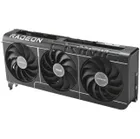
1. Best overall: AMD Radeon RX 9070
2. Best value: AMD Radeon RX 9060 XT 16 GB
3. Best budget: Nvidia RTX 5050
4. Best mid-range: AMD Radeon RX 9070 XT
5. Best high-end: Nvidia GeForce RTX 5090