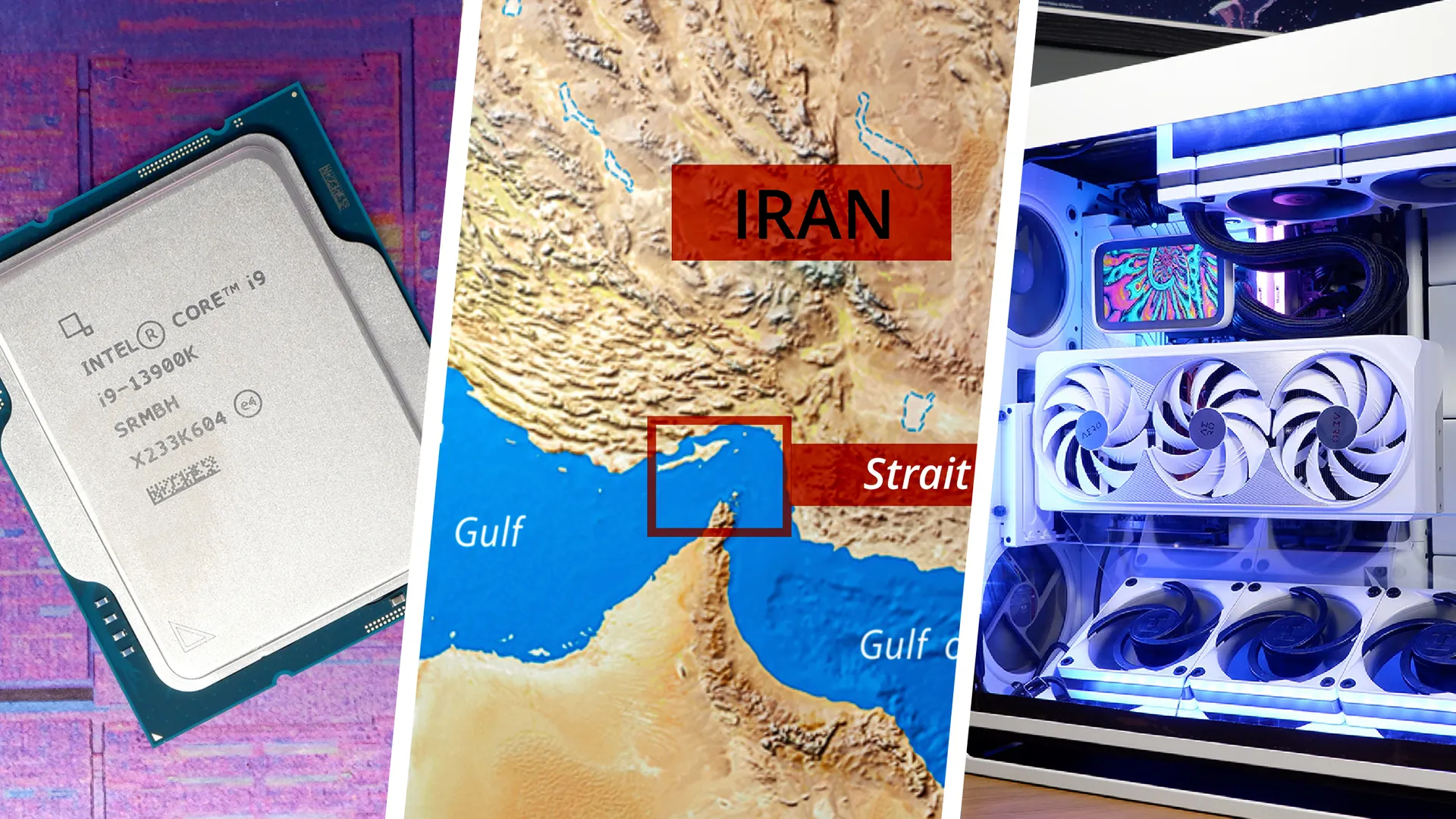
The war in Iran is causing supply issues globally, with constrained gas and oil supplies due to the closure of the strait of Hormuz being the ones that hits home for most people. But we're also starting to see impacts on the supply of different materials which, on top of a memory shortage, aren't looking too good for the global technology supply chain.
I've spoken to a few different technology supply chain experts to figure out exactly which materials are affected and why. And perhaps more importantly, I asked them what they think the prospects are for the semiconductor and component manufacturing market, as well as for end-consumers such as PC gamers like you and I.
Unfortunately, the answer isn't the prettiest, as I discovered that the effects are broad and wouldn't be resolved even if the strait re-opened right away, as plenty of damage is already done. But it's not all hopeless, as I learned what companies are already doing to deal with the supply issues caused by the conflict in the Middle East.
What is affected?
- Helium - primarily affects semiconductors
- Sulphuric acid - primarily affects semiconductors, but also PCBs and copper
- PPE resin - primarily affects PCBs
- Aluminium - primarily affects heatsinks and chassis
- Solvents for photoresists (naphtha) - primarily affects semiconductors
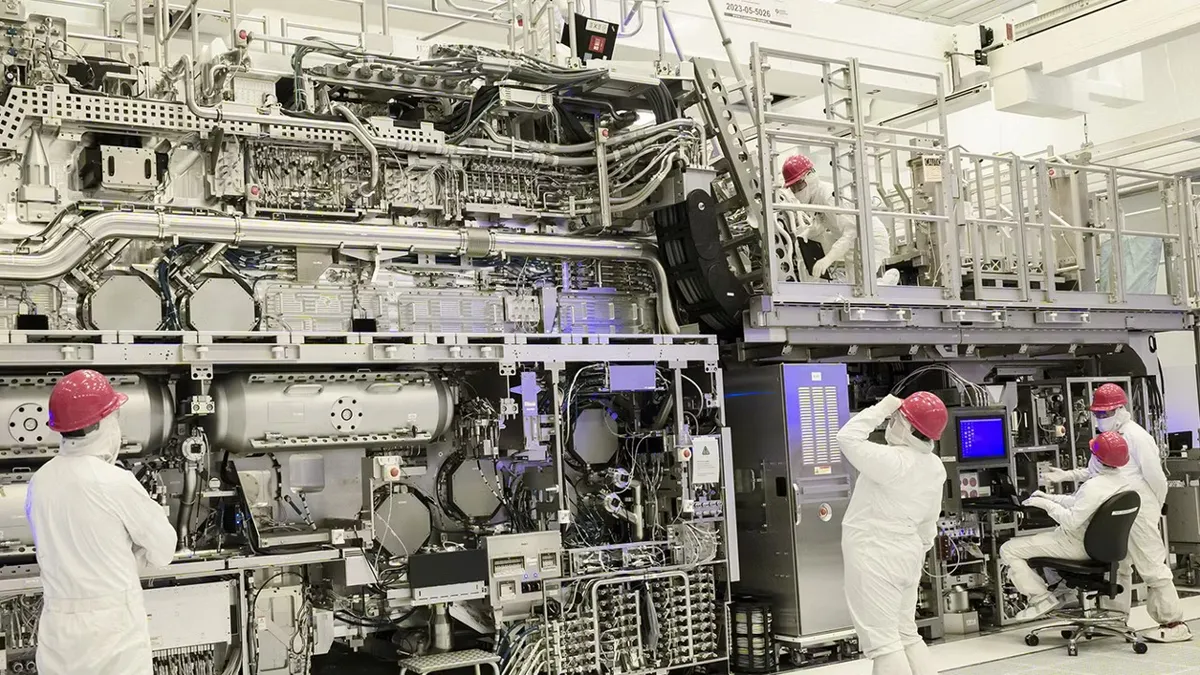
Helium is probably the most crucial material for PC tech that we've seen affected by the conflict. It can get incredibly cold (up to -269 °C) without turning into a liquid, which makes it very useful for keeping things cool during different parts of manufacturing processes. Perhaps most importantly, it keeps chips cool while they're having their circuitry etched onto them during fabrication.
Exiger SVP of Product Level Intelligence Derek Lemke tells me: "Helium is not optional in semiconductor manufacturing. It is used in wafer cooling, etching, and EUV lithography processes, and there is no substitute. That makes it essential for GPU and CPU production and increasingly for DRAM."
Qatar produces about a third of the world's supply of helium, and in addition supplies being blocked by the closure of the strait of Hormuz, Iranian attacks on Qatar energy sites have effectively completely shut down helium production from the country.
"Clearly the helium example coming out of Qatar is disastrous," Jonathan Colehower, Managing Director, Global Operations & Supply Chain Practice at UST, tells me bluntly. "And unfortunately there's not a substitute."
Sulphuric acid supply has also been impacted because much of it usually runs through the now-closed strait of Hormuz. This acid is used for things like wafer cleaning as well as to make copper plating baths for PCB cleaning and etching.
It's also used to help extract copper from ore, so sulphuric acid supply issues could mean copper supply issues. Copper is, of course, used in many PC components, for instance forming the copper connections in CPUs, motherboards, and heat pipes on coolers, so there's potential impact down the line there, too.
Speaking of motherboards and other PCBs, Polyphenylene Ether (PPE) has also been impacted by the conflict, and we're already hearing that PCB prices might have risen by as much as 40% since March as a result.
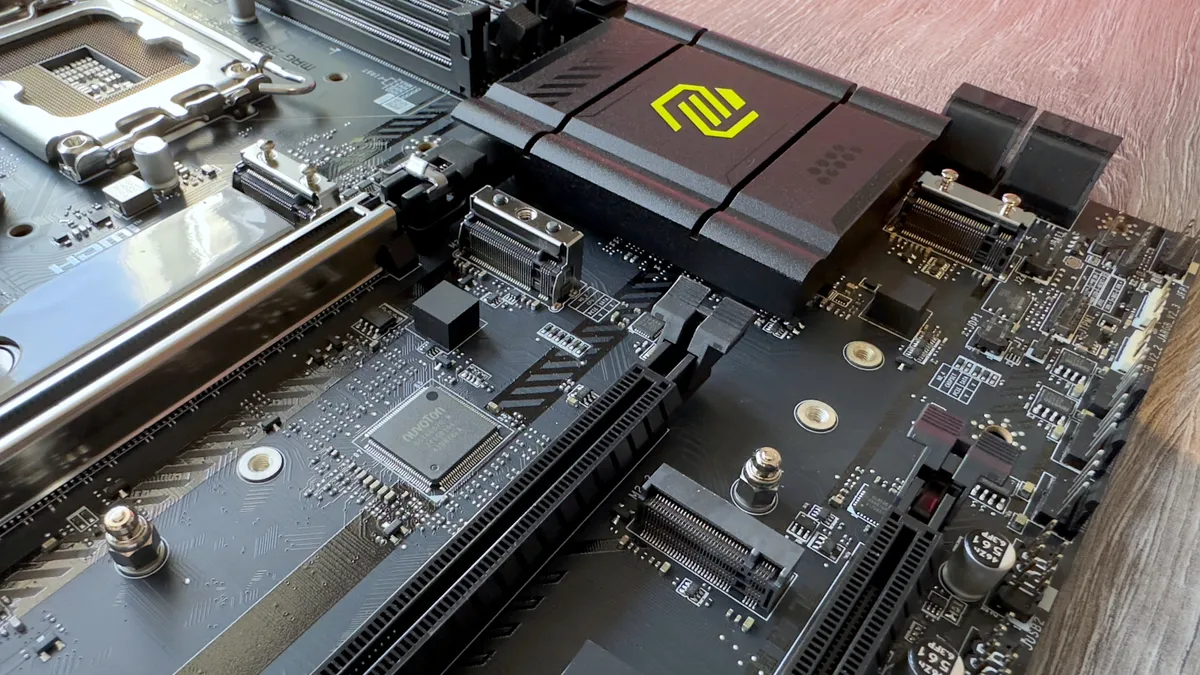
PPE resin is what fibreglass layers are soaked in before they're all stacked together to form a PCB substrate. It's a bit like the glue that holds all the different layers of a PCB together.
Most of the world's high-quality PPE comes from Saudi Basic Industries Corporation (SABIC) in Saudi Arabia which was struck by Iran in April. Since then, the facility in Jubail has been unable to resume output of PPE. Thus, the reported 40% increase in PCB prices.
Saying this, however, Colehower reckons resin supply issues won't be as big of a deal as some other materials like helium, because apparently "we have a more diversified supply base in the resins."
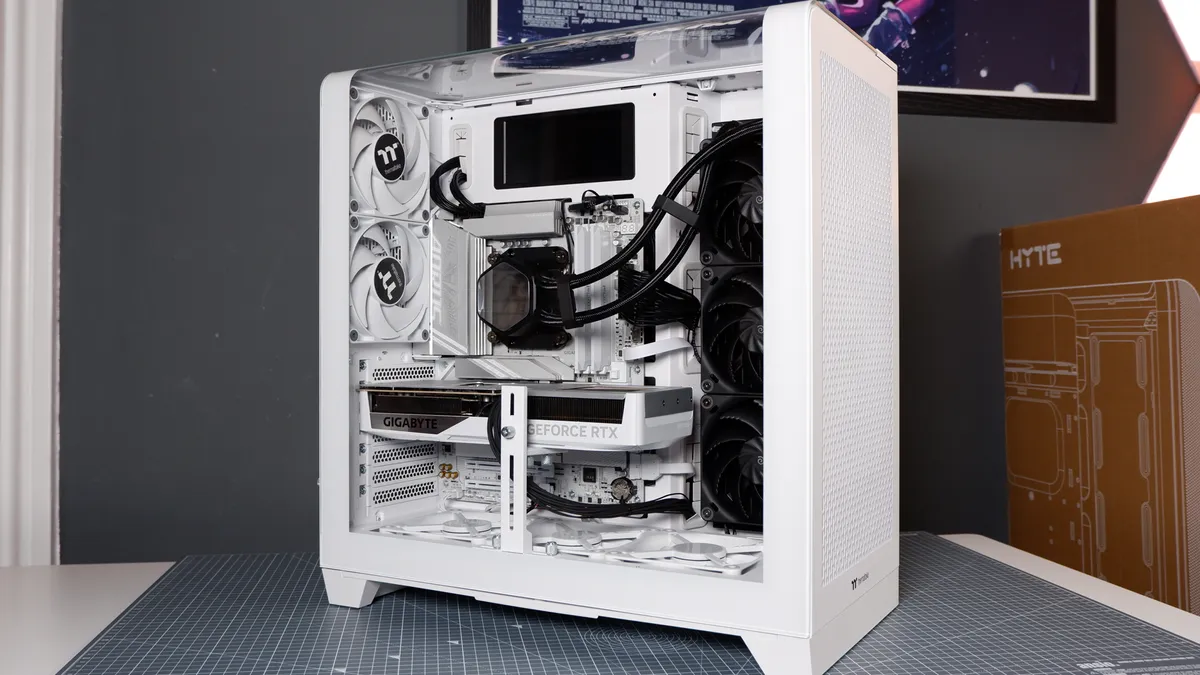
Aluminium is used in a bunch of end-consumer components and devices. Lemke tells me, "Direct strikes against the gulf smelters, EGA and Alba" are "causing both price spikes and [low] availability, but, you know, that material is primarily used in GPU heatsinks, cases, and laptop chassis."
There are even some affected materials we might be less familiar with but which are crucial for semiconductor manufacturing, such as solvents for photoresists. I wasn't too familiar with photoresist materials or how they're used in semiconductor manufacturing alongside solvents, so I asked Professor Renzas of University of Nevada, Reno, who is also the director of the Davidson Foundation Cleanroom.
A photoresist, Renzas says, is a "light-sensitive polymer (plastic)." In semiconductor lithography (the process of using light to print the circuit patterns on computer chip wafers), a photoresist is "dissolved in organic solvent to enable it to be sprayed or spun onto each wafer. The residual solvent is then removed with heat in what is known as a soft-bake process—like reducing a sauce in cooking."
"The photoresist," he tells me, "is exposed to a pattern of light through a mask. The exposed regions undergo photo-driven chemical modification, enabling selective removal of the exposed or unexposed region depending on the type of photoresist."
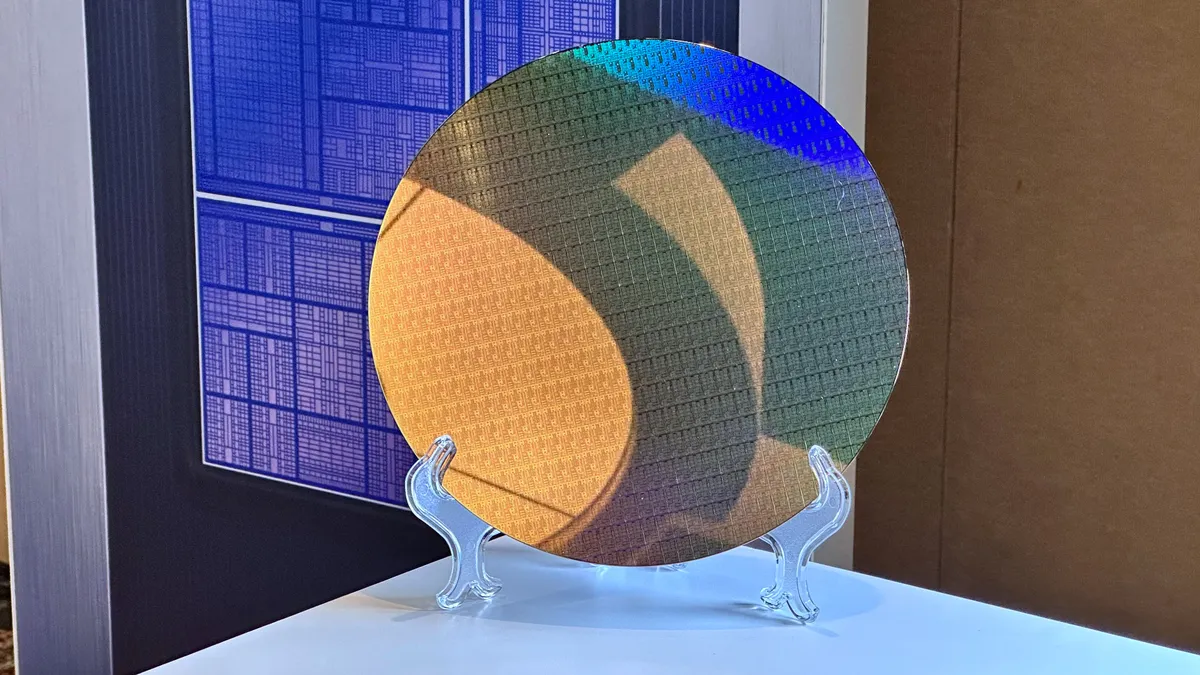
For these photoresists to be used like this, however, they need to be dissolved in specific compounds. And to make such photoresists and the solvents they're mixed with, you need hydrocarbon compounds which come from oil and gas.
"One of these compounds," he explains, "naphtha, happens to be critical for synthesis of PGMEA. PGMEA is perhaps the most common organic solvent used in photoresists. Naphtha is derived from certain types of crude oil which were previously sourced from Iran. The current conflict has disrupted supply of these grades of crude oil and, consequently, the supply chain for naphtha, PGMEA, photoresist, and semiconductor chips."
This is why, for instance, Japan's photolithography materials are reportedly "on the brink of collapse." Prof. Renzas explains that, despite the fact that "raw materials such as photoresist only constitute about 5% of the total price of a typical semiconductor chip," the fact that they are necessary for production means if there is a photoresist supply chain choke then that might mean less chip supply in general and ultimately higher prices for consumers down the line.
Geography and fragile supply chains
Above: an interactive map of some of today's semiconductor fab locations.
One big problem with many of these materials is that they're very geographically concentrated. It's not as if manufacturers can pack up shop and simply buy all the same amount of helium they were previously buying from elsewhere, for instance. Setting up new trade routes around the strait of Hormuz would take a very long time, too, and any production facilities that have been directly impacted (say, by missile strikes) can't be quickly or easily or perhaps even safely re-opened or re-built.
Lemke tells me: "Supply chains are generally fragile, and when you get down to the Nth tier, you're finding that there are these specific concentration risks, be it regional or two specific facilities."
There aren't localised sources of supply for a lot of these materials.
Derek Lemke, SVP of Product Level Intelligence at Exiger
"There aren't localised sources of supply for a lot of these materials. Again, these are key nodes in the supply chain that are impacting more downstream end-use industries. So, it comes down to concentration risk at the end of the day. You know, a lot of people think supply chains are like these big pyramids, where you've got a tier one or a company at the top, and the supply chain gets larger as it goes down. But in reality, most of these key concentration risks are choke points."
Jenna Ingram, Senior Manager, Proactive Intelligence at Exiger expands on the problems that cutting off supply can cause, even if there are alternative options, using helium as an example:
"There is some helium in Canada and a few different places also in the US. The issue is that there's going to be more competitors that do depend on helium coming from the Middle East. So then that means that if those choke points are cut off, then everyone that was using all of those suppliers based in the Middle East [such as semiconductor manufacturers] are now competing for the same supply that the US is already using."
Colehower agrees about the fragility: "We're kind of a victim of our own success. And what I mean by that is, for 20 years, we basically have tightened down and tightened down supply chains and gotten them really, really efficient, which is great, but they're really brittle. And when something breaks everybody feels it, and that's where we've been, basically, for the last seven or eight years, is experiencing those breakages."
And then there's the fact that different political and geographical issues can essentially pile up. For instance, in addition to supply constraints caused by sulphur coming out of the strait of Hormuz, China also announced it would stop sulphuric acid exports and Russia is implementing helium export controls, clogging up another source of the vital gas supply.
There are also impacts of the war that could indirectly cause manufacturing issues, ways we might not initially think about.
"For a second," says Colehower, "think about fertiliser as a risk due to this gulf conflict… The fertiliser is used to plant crops, which are then used in turn to feed people. Well, if I don't have enough to feed the people, I'm going to have a global food crisis, and I could lose my employee base if I can't feed them. So there are secondary and tertiary impacts that have no direct relation to Helium, for example, and it may go back to things like fertiliser."
Just-in-time

"Based on what I've experienced with Samsung and some of the others," Colehower says, "they were running very lean inventories. This was not on their radar."
"I think Samsung, I think SK [hynix], have become very, very advanced in their planning methods, and they control a good portion of the market. So they've dialed their inventories down to the point where they can run just-in-time supply chains, which is great. I mean, that's what we've been working on for 20 years, to lean out the supply chain, but at what cost?"
Just-in-time manufacturing is, just as it sounds, a way of approaching manufacturing that has products made 'just in time' for when they're needed, without keeping much built-up stock. The approach, developed primarily by Toyota, might sound very 'late-stage capitalism' (and not in a good way) but it has its benefits.
We basically have tightened down and tightened down supply chains and gotten them really, really efficient, which is great, but they're really brittle
Jonathan Colehower, Managing Director, Global Operations & Supply Chain Practice at UST
It's good for manufacturers, if they can pull it off, because it means they need to spend less time, energy, and resources on unnecessary production, hold onto less inventory that looks bad on the balance sheet, and have less risk of wasting anything should demand dry up. However, as Colehower points out, when there are supply problems, these just-in-time companies can then struggle to keep up with demand because they have no, or little, back stock.
On the other hand, Colehower is also at pains to point out the risk of over-correcting when supply problems like this occur:
"Companies that are making chips, for example, might over-correct and say, 'Forget it, we're not going to be in that position again. We're going to carry six months of inventory.' Well, you know, that's expensive, and it moves us in the opposite [direction] of where we've been fighting [to be] for the last 20 years."
What can companies do?

Tech manufacturers have to walk a fine line between adjusting to the current low-supply situation and not over-correcting in a way that is very costly. This is especially true when we consider the fact that changing things up too much, whether that's building new production facilities or establishing new trade routes, can take a very long time and cost a huge amount of money.
Lemke sees companies taking a hybrid approach, diversifying supply as much as possible to not be too reliant on any one source:
"What I've seen globally… is a stronger push around regionalisation and localisation where it makes sense"
Derek Lemke, Exiger SVP
"What you're starting to see now are more hybrid models, you know, because there are these global dependencies… What I've seen globally, not only in this space, but for other global value chains, is a stronger push around regionalisation and localisation where it makes sense, such that they are not globally dependent on one source of supply, bringing those raw materials, those critical inputs, closer to the end consumer, closer to production."
Colehower said that this is the case when it comes to resins, as we're not solely reliant on one source for those.
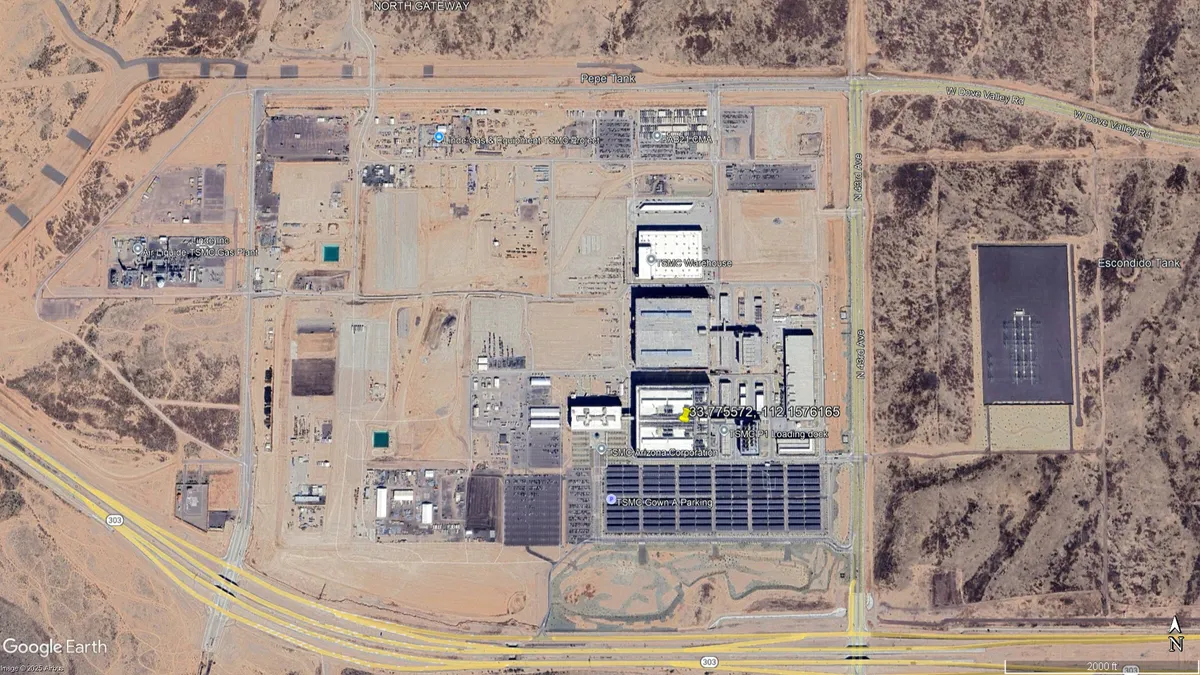
One example of this move towards diversification and localisation in recent years is TSMC's Arizona fabs. With the encouragement of the US government, TSMC has been building semiconductor manufacturing fabs in Arizona.
However, there's a big difference between getting chip manufacturing onshore and getting materials sourced onshore.
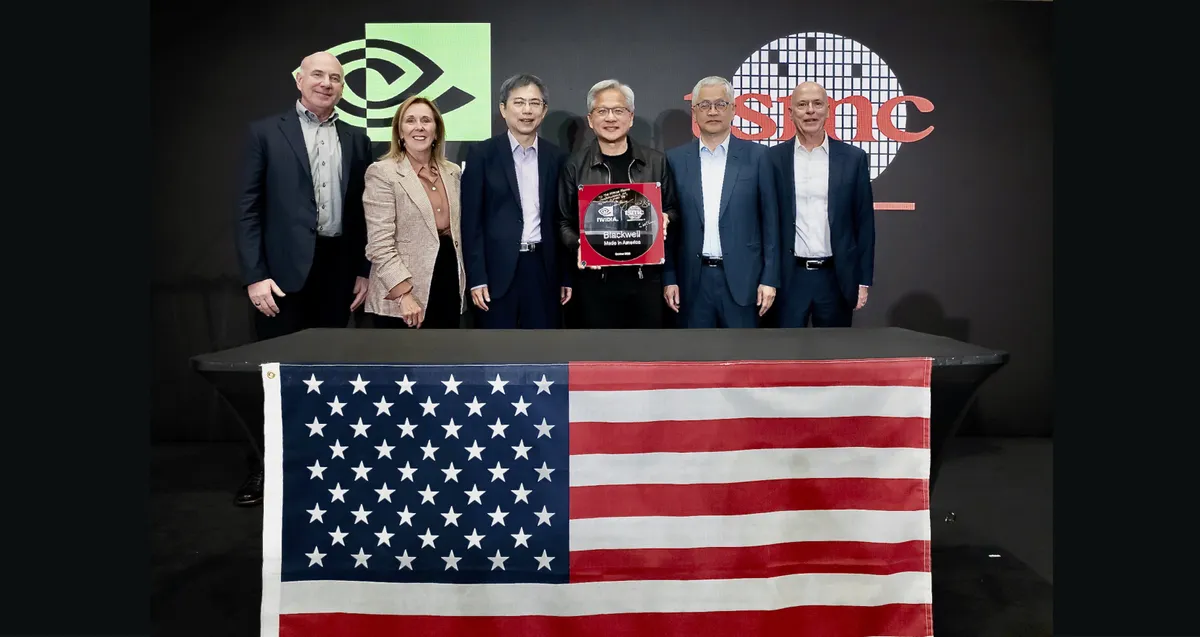
Lemke explains that while it's a "great example of diversification, both for the chip supply itself, but [also] for the downstream inputs," nevertheless, "you can build a fab in Arizona, but if it still depends on Qatari helium, you haven't fully reshored the vulnerability."
And that, I suppose is the entire question: can and will the materials be sourced elsewhere even if manufacturing moves elsewhere? It will certainly encourage more local material sourcing, but we've already seen that some materials might simply not be possible to source elsewhere due to geography.
Prof. Renzas explains that this is the case when it comes to the photoresist solvent PGMEA:
"While alternative sources of PGMEA are available, subtle differences in solvent purity can have enormous downstream impacts in semiconductor chip manufacturing yield. Qualification processes for new materials may exceed a year in many cases. Photoresists also have a shelf life—indefinite stockpiling is not an answer."
Indefinite stockpiling is not an answer
Professor Russ Renzas of University of Nevada, Reno
It's also not a given that onshoring manufacturing is a perfect solution even if materials aren't an issue. Colehower, for instance, isn't so happy about the big interventionist push for TSMC to get onshore in the US:
"[It] breaks my heart to see, because at my core, I believe in efficient economies, doing, you know, the distribution of work… where it's most efficient to do it… reshoring manufacturing is a good idea, but it's sub-optimal. If I can do it more efficiently somewhere else, I should do it somewhere more efficiently. But if it's going to carry higher risk, then I need to account for that risk, or stop causing things that spark risk."
Where Lemke sees companies localising and diversifying material sourcing, Colehower seems more focused on the possibility of bigger companies consolidating smaller ones, and just generally faring better than them:
"I think what you may see over the next two to three years is consolidation. And you might find that those smaller players are going to be acquired and the market's going to consolidate so that they can get more power in the market."
The sector, he says, is "ripe for consolidation" and this includes "vertical integration (acquire component and raw material suppliers). South Korea [where Samsung and SK Hynix are based] is famous for doing this in the automotive sector as the major firms acquired steel production and ship building."
How well a company fares all depends on its size and resilience, though. Samsung, for instance, is what Colehower calls a "channel master, meaning they have so much dominance, they have so much market share that they can dictate the terms, and that's why they've been able to be as resilient. I think that if you look down market for some of the smaller competitors, they're the ones that they're not going to be able to withstand, or just tell the market it's 20% more expensive. I don't think they're going to get away with it."
"You can build a fab in Arizona, but if it still depends on Qatari helium, you haven't fully reshored the vulnerability"
Derek Lemke, Exiger SVP
On the other hand, these bigger companies are the ones that have been able to really nail their supply chain efficiency and run a just-in-time operation. Which, ironically, means they could be hit worse in at least this one respect as they might have fewer back stocks relative to their contract demands.
"I don't think they're carrying that much on hand inventory", Colehower says.
However, they're also the companies that are most likely being able to get away with their "out cards": "The 'out card' for some of these manufacturers is, 'I'm just going to declare force majeure and say, this is an act of God'."
What's to come?
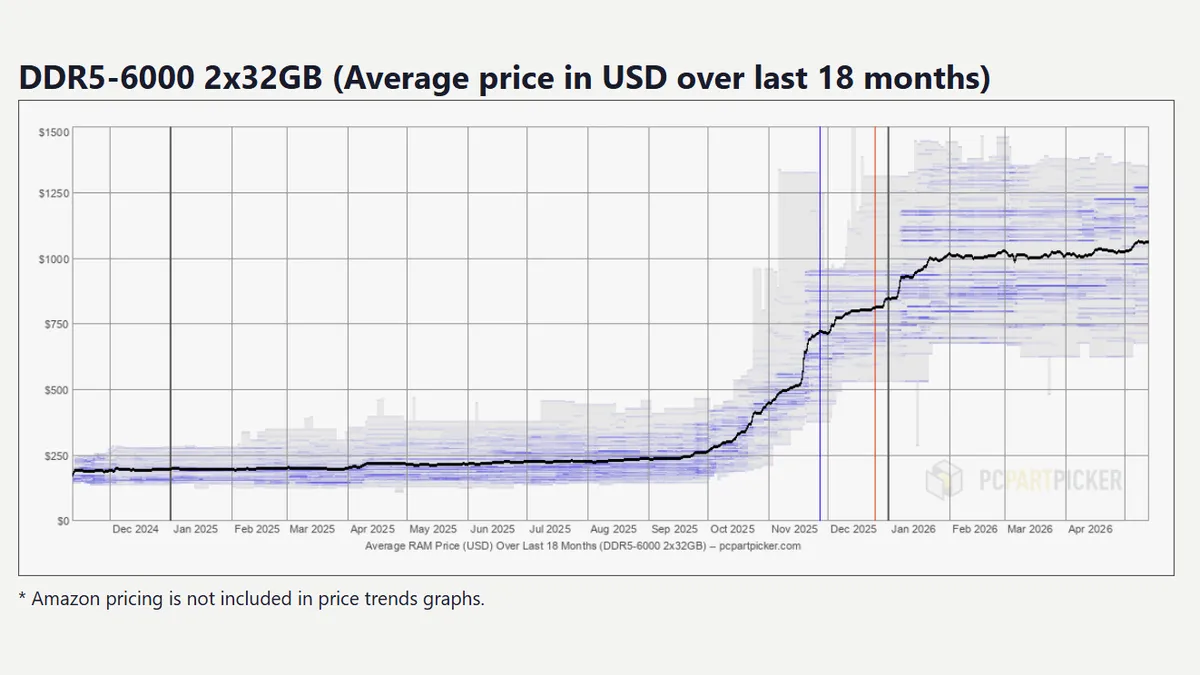
"I think best case is another 12 to 18 months of pain, to be honest," Lemke tells me in no uncertain terms. "I don't think this is going to reset overnight."
Colehower agrees that things can't return to normal right away, though he's a little more optimistic about the time it would take in a best-case scenario:
"I think it would take probably six months at least to recover, because a good bit of the damage isn't just a disruption in the supply, it's actual infrastructure that's been damaged, and [recovering requires] rebuilding that infrastructure to produce chemicals like helium. That's not going to happen overnight, so to recover quickly, I don't think is possible, and we're going to see sustained price increases in market competition."
"I think best case is another 12 to 18 months of pain, to be honest"
Derek Lemke, Exiger SVP
Unfortunately but expectedly, such price increases would likely to hit end consumers like PC gamers harder than, say, big AI companies:
"You could see, in a worst case," Lemke says, an "allocation, scarcity-of-supply scenario where we're going to be choosing to focus on AI infrastructure versus consumer needs."
Ingram reaffirms this: "I think the big fish will get fed first."
And Colehower, too: "The data centers and other things like that are going to be the ones that get the emergency, the immediate release, of supply. And I think the consumer is going to be caught on the back end of this."
So much for the best-case scenario. Lemke also has a pretty frightening vision of a worst-case one:
"I think the worst case is we're going to see multi-year systematic disruption, and that could lead to a bifurcation of the global chip industry. Where AI infrastructure gets protected through allocation and pricing and consumer electronic production stalls for like two to three years."
There's also every chance that we'll see price increases regardless of whether trade routes open up and all hands are on deck to restore the supply chain. At least, Colehower figures as much:
"I think that we're definitely going to see price increases, and the consumer is going to feel the price increase. There's no doubt that that's going to happen."
The problem is that prices are sticky. They go up, but they rarely come back down.
Jonathan Colehower, UST Managing Director
But despair not, because there is at least some not-completely-awful news, which is that even if the best-case scenarios aren't the prettiest, the worst-case scenarios for the consumer such as the one Lemke paints probably won't play out.
"As companies drive more diversification in their supply chain," Lemke says, "which they're actively doing right now, we see a general decrease from a consumer price standpoint. Again, [the] worst case is that prices continue to increase… but again, [the] consumer and capitalism hopefully comes into play here, and there's a recognition that the consumer can only bear so much.
"I don't see most of these organisations right now allowing the worst case to play out. I think you're seeing right now actions within the market to diversify supply, to localise, to friendshore, to secure critical inputs in a way that may provide some short term pain, but long-term, gets us out of this challenge altogether."
Colehower, on the other hand, isn't quite so cheery about how he's seeing companies having to deal with things right now:
"Unfortunately, I don't think that they're looking long term. I think they're fighting this day to day right now—'Where can I get supply?' And they're calling in a lot of relationships and expediting product. You know, 'Maybe I'm going to bring things in by air versus by ocean instead, because I need it right now'… Where their head is right now is, 'How do I get my next week of production stabilised?' And that's about as far as I think they're looking today."
I'm not sure which of these understandings of the present moment is more accurate, and perhaps it changes day-to-day or even hour-to-hour. It will be difficult for anyone other than those on the inside of these manufacturing companies to say for sure.
All I know is I definitely don't want to see the worst-case scenario playing out alongside the memory shortage-induced price hikes we've already gone through. Especially because—and to have Colehower bring it home for us—"the problem is that prices are sticky. They go up, but they rarely come back down."

1. Best gaming laptop: Razer Blade 16
2. Best gaming PC: HP Omen 35L
3. Best handheld gaming PC: Lenovo Legion Go S SteamOS ed.
4. Best mini PC: Minisforum AtomMan G7 PT
5. Best VR headset: Meta Quest 3