Join The Club





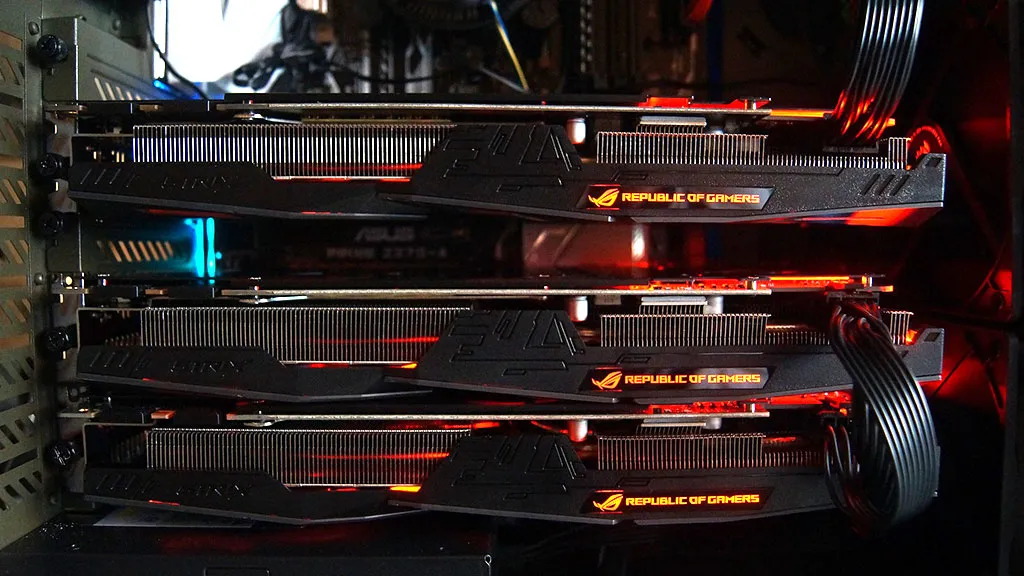
Do you hear that noise? It's the winds of change blowing towards Ethereum, and once they've swept through the cryptocurrency network, the bulk of demand for the best graphics cards—or any graphics card, really—will shift towards gaming, not mining. Or so that is the hope.
That's the good news (for gamers). The bad news is, this won't happen overnight, or probably even this year. There are two major updates headed to Ethereum, the first of which is called the London hard fork. Ethereum developer Tim Beiko confirmed on Twitter that this will go live on August 4, 2021, which is now less than four weeks away.
The London hard fork is a precursor to the Ethereum 2.0 update that should have a more meaningful impact on the GPU shortage (fingers crossed, anyway). It consists of five Ethernet Improvement Proposals (EIPs), and as CoinDesk notes, the most notable ones are EIP 1559 and EIP 3554.


EIP 1559 changes the fee structure by introducing a minimum fee to all on-chain transactions. As things currently stand, users set transaction fees, which are then accepted by miners. But this is getting replaced by a new "base fee" that is automatically set by the Ethereum protocol, which gets removed or burned from the network rather than rewarded to miners.
The gist of it is, this key change will potentially decrease miner revenue. As you might imagine, not everyone is looking forward to this change, though it's being done in large part to make Ethereum less volatile.
"While we think [EIP 1559] will bring better predictability for transaction inclusion, we think that fee burning is a bad idea, considering many transactions requiring extended computing resources for smart contract execution… will no longer be compensated," Slava Karpenko, chief technology officer of Ethereum mining pool 2Miners, told CoinDesk.
EIP 3554, meanwhile, is dubbed a "difficulty bomb delay," and refers to when mining Ethereum will become much more difficult with the aforementioned Ethereum 2.0 update. Barring another delay, this is now set to take place on December 1, 2021.
As gamers, this shift is the one we are looking forward to, because it could effectively kill graphics card mining. Perhaps not entirely, but Ethereum is the biggest cryptocurrency that is still mined with GPUs, rather than specialized ASIC hardware, which is predominantly used for currencies like Bitcoin.
Best CPU for gaming: the top chips from Intel and AMD
Best graphics card: your perfect pixel-pusher awaits
Best SSD for gaming: get into the game ahead of the rest
This entails a change from what's called a proof-of-work model, whereby mining requires lots of computational power to shift transactions and generate new Ether, to a proof-of-stake model. This means the network itself will verify transactions (or blocks) according to a miner's existing stake in Ethereum.
When this happens, it is conceivable—very likely, even—that a large number of Ethereum miners will call it quits and sell their GPUs. There is still an industry wide shortage of silicon that is affecting the overall supply of graphics cards, but used cards flooding places like eBay and Craigslist, along with reduced demand for new GPUs for mining should help the situation.
The delay to December 1, however, means GPUs are likely to remain scarce the rest of the year. Best case scenario is looking like GPUs will be a bit easier to come by in early 2022, and that's barring another time bomb delay. Or (and fingers crossed this doesn't happen) another cryptocurrency that is mined with GPUs becomes super popular in place of Ethereum.