Processors seem to be one product category, along with displays, where there are glimmers of hope for us gamers amidst the RAMpocalypse. From an Nvidia chip with good gaming performance to new handheld chips from Intel and even the promise of some Intel-Nvidia collab chips that could also be great for handhelds, there are definitely things to be excited about. And now we can add chips made on Intel 18A-P to that list.
Going by the Intel presentation screenshots shared by Hardwareluxx, Intel's next version of its 18A process, 18A-P, could deliver a nice chunk of extra performance—or power saving, depending on which way you go—essentially for free. Free, that is, in the sense that it's "backwards compatible to Intel 18A", meaning no need for new fabs, machinery, or even chip designs.
New logic Vt offering for #Intel18A-P:- ULVTLL (ultra low voltage low leakage) between LVT and ULVT.Via a thinner handling wafers, new materials and optimized EDA tool flow the thermal conductivity is improved.#Intel18A-P is currently in risk production pic.twitter.com/oQs4CjWgNTJune 16, 2026
The process is now in "risk production", which is essentially the limited production stage that occurs before mass production. It should be at least a few more months before mass production begins in earnest.
Intel's slides refer to 18A-P as "the first performance enhancement in the Intel 18A family" and describe the following highlights:
- "18% lower power at iso-performance
- 9% fully routed block level performance at iso-power
- 20–40% improved thermal resistance
- 10–30% improved Via resistance at perf critical layers"
In other words, compared to the same chips on 18A, chips on 18A-P should deliver 9% improved CPU performance for the same power, or 18% less power consumption for the same performance. Plus improved thermal resistance and "Via resistance", meaning less performance impact from backside power delivery.
Intel's 18A process is used to make Panther Lake chips for laptops, and we've already been pretty impressed with those—thus why we're excited for new Arc G3-series chips for handhelds, which are Panther Lake-based.
It's unlikely 18A-P will be used for these mobile chips given they're already in full swing, but they could be used for future product lines. Perhaps a Panther Lake refresh—the same chips but with a slight bump to performance sounds nice. Or more reasonably, perhaps Intel's upcoming Nova Lake desktop chips, as it would make sense for the more power-hungry CPUs to use the new and more efficient process.
There's a chance it could all be timed well for that upcoming Intel-Nvidia collab, too. But let's not get ahead of ourselves.
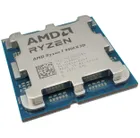
1. Best overall:
AMD Ryzen 7 9800X3D
2. Best budget:
AMD Ryzen 5 5500
3. Best mid-range:
Intel Core Ultra 5 250K Plus
4. Best high-end:
AMD Ryzen 9 9950X3D
5. Best AM4 upgrade:
AMD Ryzen 7 5700X3D
6. Best CPU graphics:
AMD Ryzen 7 8700G