

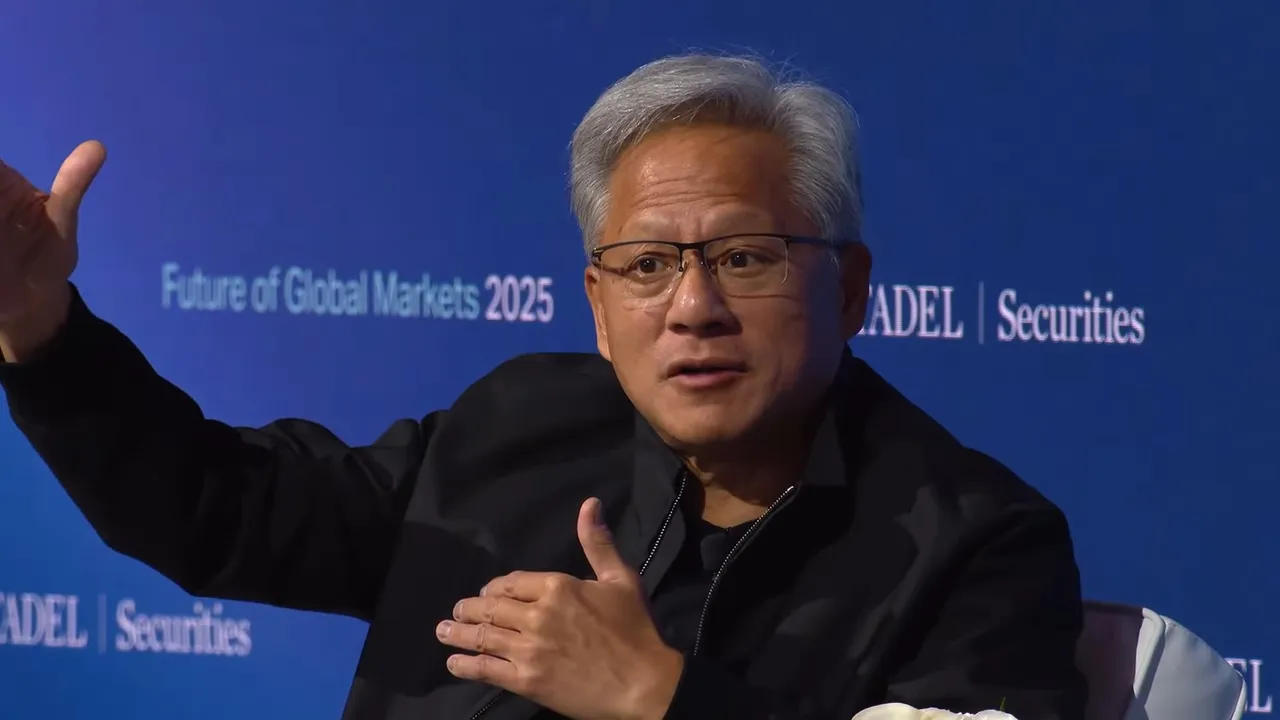
Has there ever been a tech CEO quite like Jensen Huang? The Nvidia chief has been an emblematic figure to PC gamers for years, before transcending into one of the primary architects of the AI revolution. Regardless of whether you love or hate the technology, (and the financial behemoth that Nvidia has become), you have to admit that Huang has presided over a meteoric rise to the top, the likes of which the tech world has rarely seen.
Now Huang, the Nvidia cofounder, figurehead, and global AI industry pillar, has announced his resignation. The admission of an affair with someone some people suspect to be a Chinese spy, followed days later by reports of another affair with an Nvidia employee, proved to be his undoing as Nvidia chief.
Nvidia's share price has dropped significantly in recent weeks. Investors, likely looking for some sort of stability after the past few weeks of AI and tech company financial woes, seem shaken. In many ways, the situation is unprecedented, and it's hard to draw parallels. But now Huang has gone, it puts Nvidia in the unenviable position of finding someone to replace him at the top of the stack.
Nvidia CFO Colette Kress has taken over as interim CEO for now, but the board will almost certainly be trying to avoid a situation where it ends up with a revolving door of bosses over the next few years.
Which brings me on to Intel, which has found itself working through CEOs at a surprising rate over the past couple of decades. While there are obvious downsides to having a single, totemic figure at the top of a company structure, flat or otherwise, swapping them out on a regular basis isn't necessarily good for business, either.
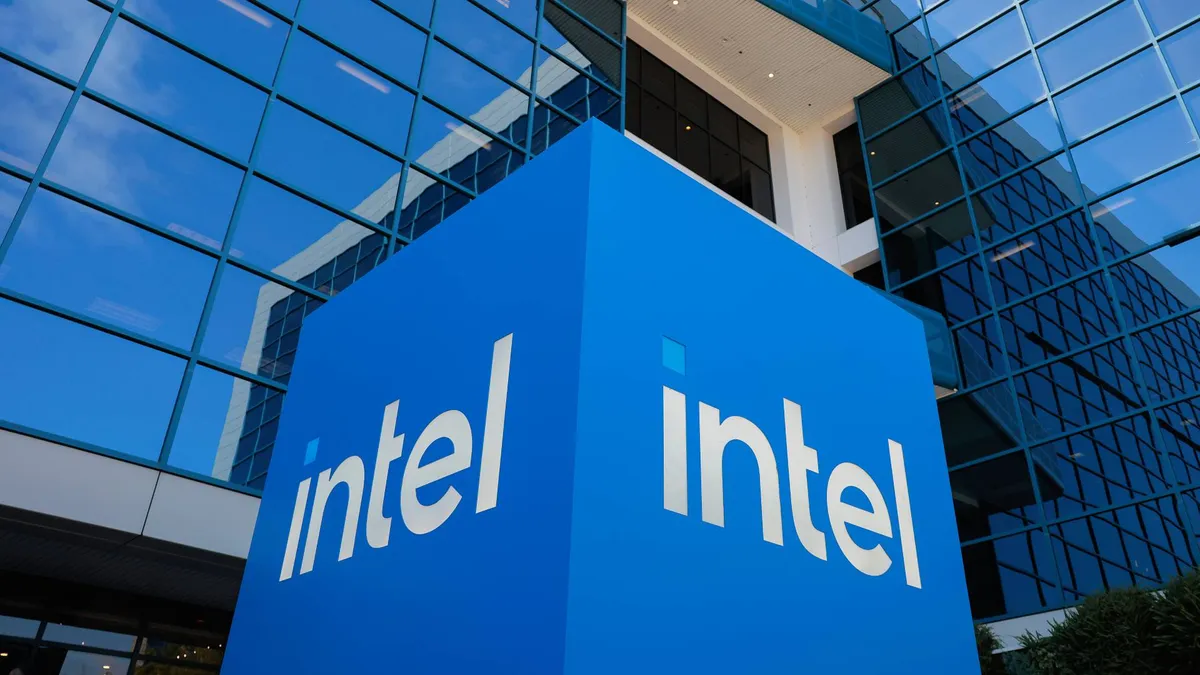
Intel enjoyed a good run of stability under CEO Paul Otellini, who served as Intel chief from 2005 to 2013. He was then succeeded by Brian Krzanich. He became Intel's CEO in 2013, after joining the company in 1982 and working his way to the top. His tenure was not regarded as a particularly successful one due to stagnation in development, but the Intel ship continued to sail onwards for the next five years regardless.
Then Intel learned that Krzanich had been engaged in a consensual relationship with an employee, an interesting echo of current events. After the board decided this was in violation of Intel's non-fraternisation policy, Krzanich resigned. And so Intel's quest to find a suitable CEO began again. As a temporary solution, previous chief financial officer Bob Swan took over the top seat in 2019, although reportedly reluctantly.
Swan's time as Intel chief was marred by manufacturing setbacks, which allowed TSMC and AMD to pull ahead in terms of market share. Financially, though, Intel continued with strong performance—perhaps expected with a finance guy at the helm. Still, a more permanent CEO needed to be found.

The company eventually landed on Pat Gelsinger. Gelsinger began his career at Intel at just 18-years-old, before working his way up to the CTO position over a 30-year-period. After a stint at EMC as president and chief operating officer (and later CEO of VMware), Gelsinger took over the reins of Intel in 2021.
Gelsinger's strategy for the company (in the face of fierce market competition) was based on a stunningly ambitious roadmap of five process nodes in five years, while focussing on Intel's foundry business. He famously once said that he'd "bet the whole company" on its then-upcoming 18A process node.
However, more manufacturing delays, workforce cuts, and a broken consumer CPU scandal were just some of the issues faced by the company towards the end of Gelsinger's reign. This super ambitious roadmap, in combination with these factors and others, led to poor financial results for Intel, and Gelsinger retired at the end of 2024.
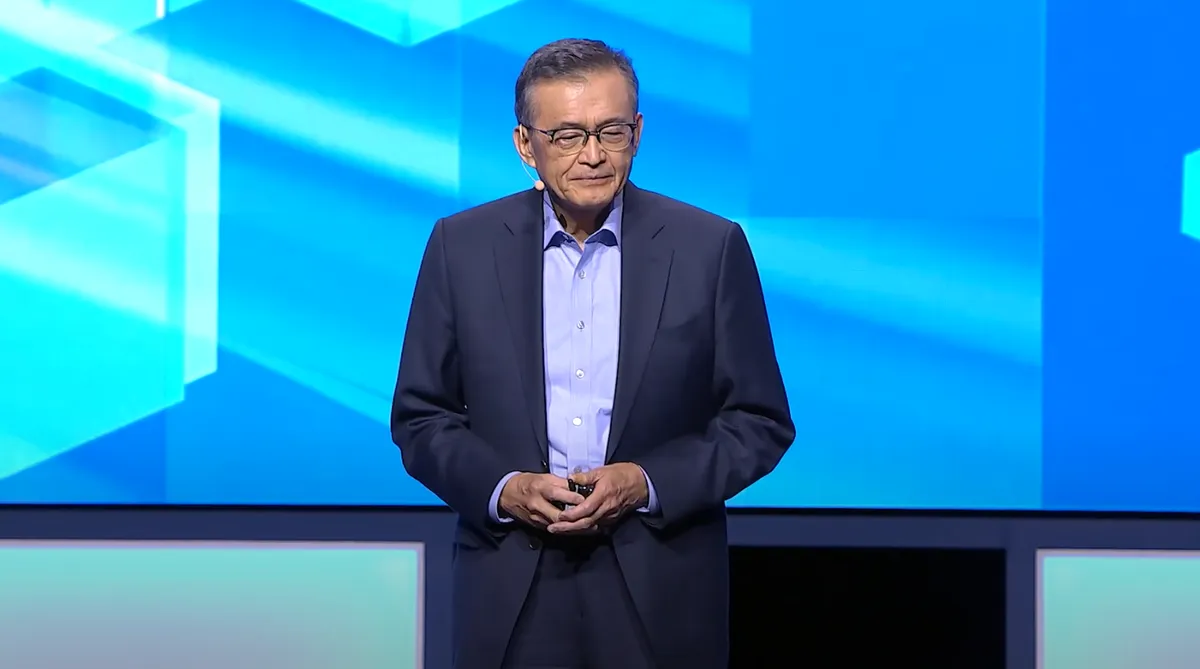
This then led to CFO David Zinsner and Intel executive Michelle Johnson Holthaus leading the company in co-CEO roles until 2025, when current CEO Lip-Bu Tan was brought in. Tan set about reorganizing the company, changing its structure so that engineering departments reported directly to him. "They [had] too many silos, too many people needed reporting. And even though they come to the CEO, they are not paying attention to it," said Tan in May of this year about the previous company structure.
"So I decided the best thing is to really understand where the problem is," Tan continued, "so that I can focus on the engineering, how to redesign, [how to] simplify the products, and then get the real killer product out."
Intel has reported extremely strong financial results under Tan's leadership, after a deal signed with the US government to steady the financial ship—although the company took a significant knock in the recent tech share sell off due to its position in the data center CPU market. However, while Tan now looks to be firmly in place at Intel, the company's ride through the market over the past two decades has undoubtedly been a bumpy one.
And still pretty bumpy today. It recently cut its sales outlook as the PC market flounders thanks to AI eating up all the RAM, and its share price plummeted as a result.
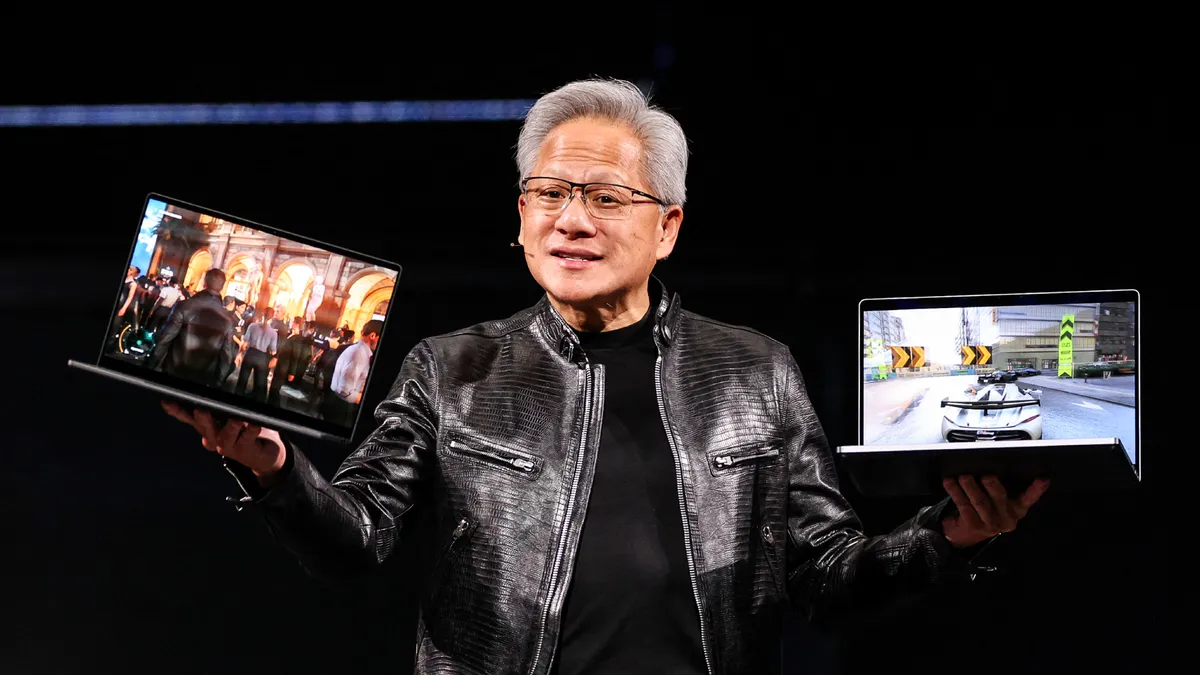
Finding a CEO with Jensen Huang's level of influence, public profile, and ability to lead the company to ever-greater heights seems near impossible. Whoever leads Nvidia next will step into truly gigantic shoes, and in the face of an AI market that looks increasingly wobbly, they'll need to be the right person for the job. And swapping leaders out on the regular? Well, it's taken its toll on Intel over the years, that's for sure.
All of which must weigh heavily upon those sitting underneath the big green logo in Santa Clara, working out exactly who the next CEO should be. Not the least bit with the US government already making its thoughts clear on who might take the job. It's not easy, running a massive tech corporation, that much is clear. And in the modern world, they don't come much bigger than Nvidia.
1. Best gaming laptop: Razer Blade 16
2. Best gaming PC: HP Omen 35L
3. Best handheld gaming PC: Asus ROG Xbox Ally X
4. Best mini PC: Minisforum AtomMan G7 PT
5. Best VR headset: Meta Quest 3