Image credit: Activision
POP

Image credit: Id Software
CRACK

Image credit: Crytek
THWIP
You've been shot, and I have the hit marker to prove it.
Welcome to FOV 90, an FPS column from staff writer Morgan Park. Every other week, I cover topics relevant to first-person shooter enjoyers, spanning everything from multiplayer and singleplayer to the old and the new.
The humble hit marker glyph is a mainstay of the FPS user interface, dutifully reporting the fate of projectiles. Hit your target and 'X' marks the spot. See nothing, and you're hitting nothing. I like the hit marker—it's an absolute form of feedback unique to shooters, and I can think of a lot of games that wouldn't feel right without it.
But it's also a crutch. The hit marker is both overused and often misused, nowadays appearing in every game with a gun as if it's always the best form of communication. The mechanic has even penetrated the singleplayer arena, which is weird, because the studio that popularized the hit marker always meant it to be a multiplayer-only concession.
There are earlier examples of a hit marker, but it was made famous by Call of Duty 4: Modern Warfare. The 'X' glyph and gratifying "thwip" sound instantly became iconic to the series, but not the campaign. In fact, the majority of Call of Duty campaigns don't use them. I'm not aware of Infinity Ward ever commenting on why it decided this back in the day, but to me, it's obvious: The hit marker was superfluous to the campaign, because you knew you'd killed a guy as soon as he dropped dead.
Looking back at that campaign today, it still looks totally readable and natural:
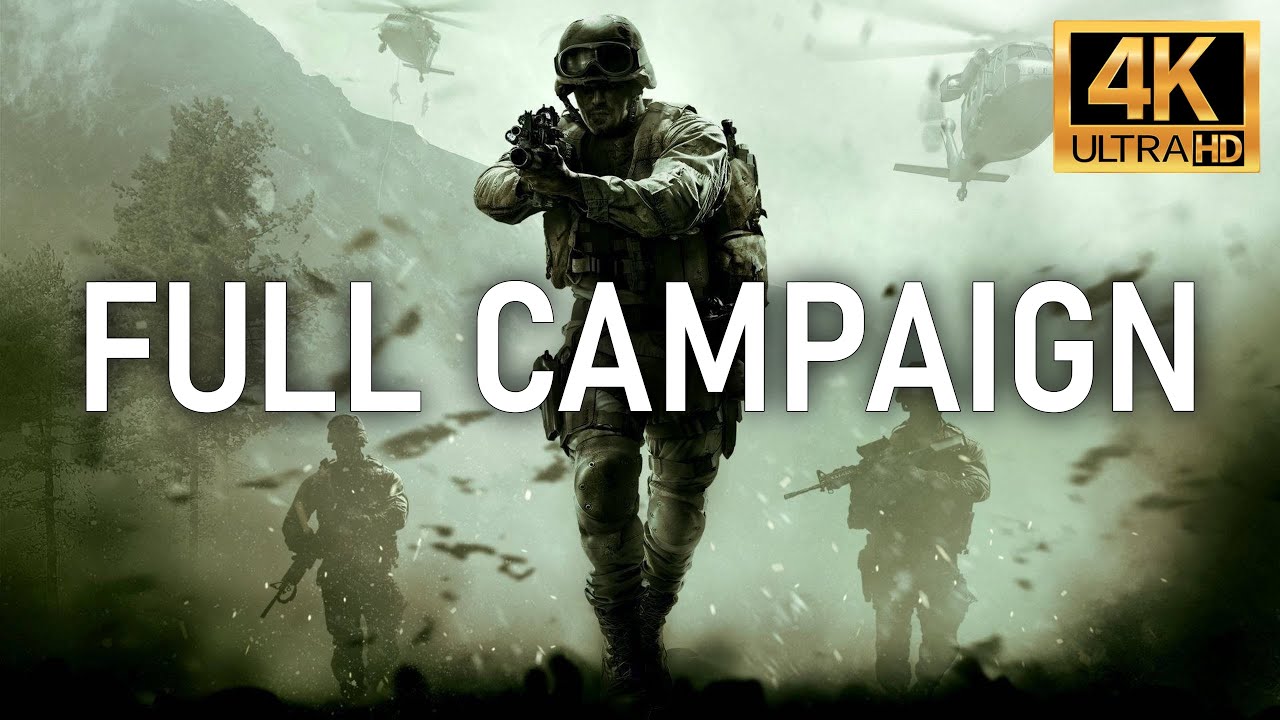
I don't watch that and think "this could use some hit markers," and in fact, I think they'd detract from the experience. Hit markers make a lot of sense in the context of PvP, where it's helpful for network and competitive reasons to know exactly when your bullets are landing, but they undeniably add a layer of artifice. They're kind of ugly and distracting, to the point that they become the only visual cue I'm paying attention to in the heat of a match. Compare that older CoD to the recent Black Ops 7 campaign, which features hit markers and enemy health bars, and you do give up some immersive qualities.
Intuitive feedback
As anyone who played an FPS before 2007 can attest, developers were using more creative solutions to the same problems way before Modern Warfare came along: impact animations, wound FX, blood spurts. Land a shot, and the target itself reacts, not your UI. It's intuitive feedback—the videogame equivalent of "show, don't tell" filmmaking. When games really nail it (in singleplayer or multiplayer), it's better than a hit marker.
Which is why I'm calling out two series that definitely don't need hit markers, but have deemed them the default nonetheless:
Halo: Campaign Evolved, why have you cluttered up the HUD with hit markers when Bungie designed the original game around clear, diegetic feedback? I know my shot landed because an elite's energy shield flickered, a grunt died, or a jackal shield popped! Halo Studios (formerly 343) has been injecting hit markers into the series since Halo 4, and I don't love it.

And Gears of War: E-Day, you can do better! In 2006, Gear of War's solution to hit feedback was as elegant as it was gory: shoot a locust, and buckets of blood erupt from the wound. Hit; marked. But alas, The Coalition has succumbed to trends in E-Day, and hit markers are the default for both multiplayer and the campaign (if Microsoft's direct presentation from June is any indication). They work fine in the bits of the multiplayer beta I've played, but in turn, they've toned down blood spurts and made them less useful as an alternative. Perhaps a downgrade?
The old ways are far from extinct, but I do think the shift toward hit markers has given developers permission for their FPS to skimp on intuitive feedback.
This week I fired up Left 4 Dead 2 to remind myself what the pinnacle of hit feedback looks like. Then I played some Back 4 Blood, Turtle Rock's spiritual successor to L4D that, among many changes, introduced hit markers.
Pretty big difference! Left 4 Dead 2's zombie animations, wounds, and ragdolls are still unbelievable. I love the way blood splatters on walls and zombies react to individual impacts where they're struck. It's not only impressive 17 years later, but looks cleaner than Back 4 Blood's in-your-face hit markers. Behind the flickering X's are some pretty bland, unremarkable zombies. Back 4 Blood's hordes don't run, react, or die with the same weight or realism, which is weird, because a lot of the core Left 4 Dead leadership returned to make it.
I'm always keen to read what you all think, but I'm especially interested to hear other perspectives on hit markers, so please do sound off in comments or my inbox (morgan.park@futurenet.com). Hit markers are now this omnipresent fixture of the genre, yet nobody really talks about them. They just sort of happened, then kept happening, then stuck.