


Our Verdict
Modern Warfare 4 is the bar that this series should regularly aspire to, and a reminder that Call of Duty benefits when it actually tries to change.
PC Gamer's got your back Our experienced team dedicates many hours to every review, to really get to the heart of what matters most to you. Find out more about how we evaluate games and hardware.
There is a new game titled "Call of Duty" every year, but it's not every year that Call of Duty is really back.
What is it The next Call of Duty from the original creators of Call of Duty
Release date October 23, 2026
Expect to pay $70/£60
Publisher Activision Blizzard
Developer Infinity Ward
Reviewed on RTX 5090, Ryzen 7 9800X3D 4.7 GHz, 64GB RAM
Multiplayer Up to 60 players
Steam Deck Unsupported
Link Official site
The tireless schedule of Activision's load-bearing FPS has resulted in more bad games than good as of late—Modern Warfare 3 was an expansion-sized sequel rushed out the door, Black Ops 6 was a step back for multiplayer, and its immediate followup Black Ops 7 was clocked as superfluous and uninteresting even by rain-or-shine fans. These back-to-back games, shouldered by Treyarch, Sledgehammer, and Raven, had cracks and compromises that suggested the Call of Duty machine just can't keep up with both "good" and "fast" anymore.
Modern Warfare 4's greatness shows how right that is. This is an extravagant package on all fronts: A kinetic 6v6 FPS with truly excellent gunplay, a fun campaign that doesn't just play the hits, and an expansive extraction "mode" that would be its own game if any other name were on the box.
I have complaints, but this is what it looks like when Call of Duty is in the pocket. The best Call of Duty studio got to take its time (four years, tied with the longest in series history) and it shows.
Multiplayer
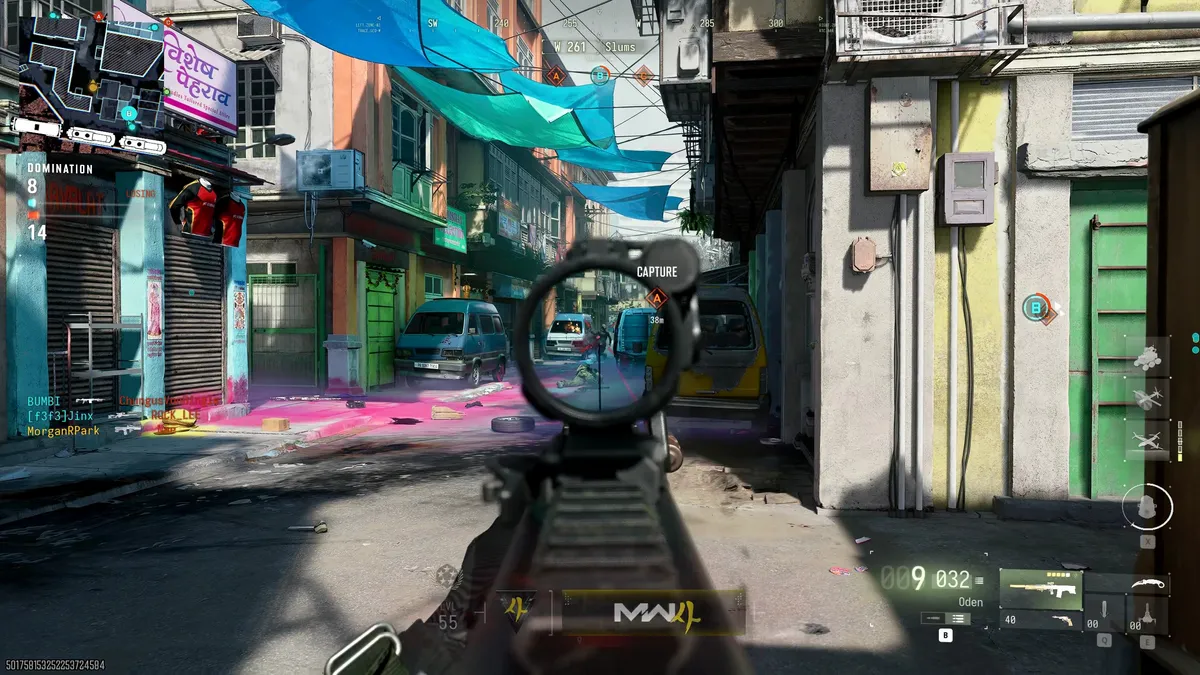
These days, whether or not a Call of Duty clicks with me begins and ends with the guns—how they look, sound, animate, and change with attachments—and Infinity Ward is simply unmatched on those details. Modern Warfare 4's guns spit out layered, cacophonous blasts that will overpower your voice chat by default (as they should). They shake your world as you shoot them without getting in the way of aim. They reload with personality and flair without wasting time. They're loud and metallic without sounding tinny or plastic, like Treyarch guns always do.
Modern Warfare 4 has some of the easiest guns to control in the genre, yet in action, they feel substantial and weighty like a milsim. This is the magic trick that Call of Duty studios regularly attempt, but only this one has mastered.
Infinity Ward just loves being extra about guns in ways that make them memorable.
Infinity Ward just loves being extra about guns in ways that make them memorable. This time, they've had fun mixing both modern and dated weapons with Korean design language: The KG-7 Vulkan is a functionally standard bolt-action sniper rifle, but its worn wooden body and chipped green paint communicate that it's been fished out of an aging North Korean armory. The Warlord, meanwhile, is a double-barrel shotgun with the profile of a brutalist space vessel—flanked by two translucent plastic tubes that you can watch empty and refill as you use it. It's rad.
Not every gun is this distinctive—not even Infinity Ward can produce 30+ guns without forgettable chaff—but there is enough personality in this arsenal to latch onto for hours on-end. I've fully leveled three in just a week, tweaking my attachment setup every few matches to suss out each gun's "thing."
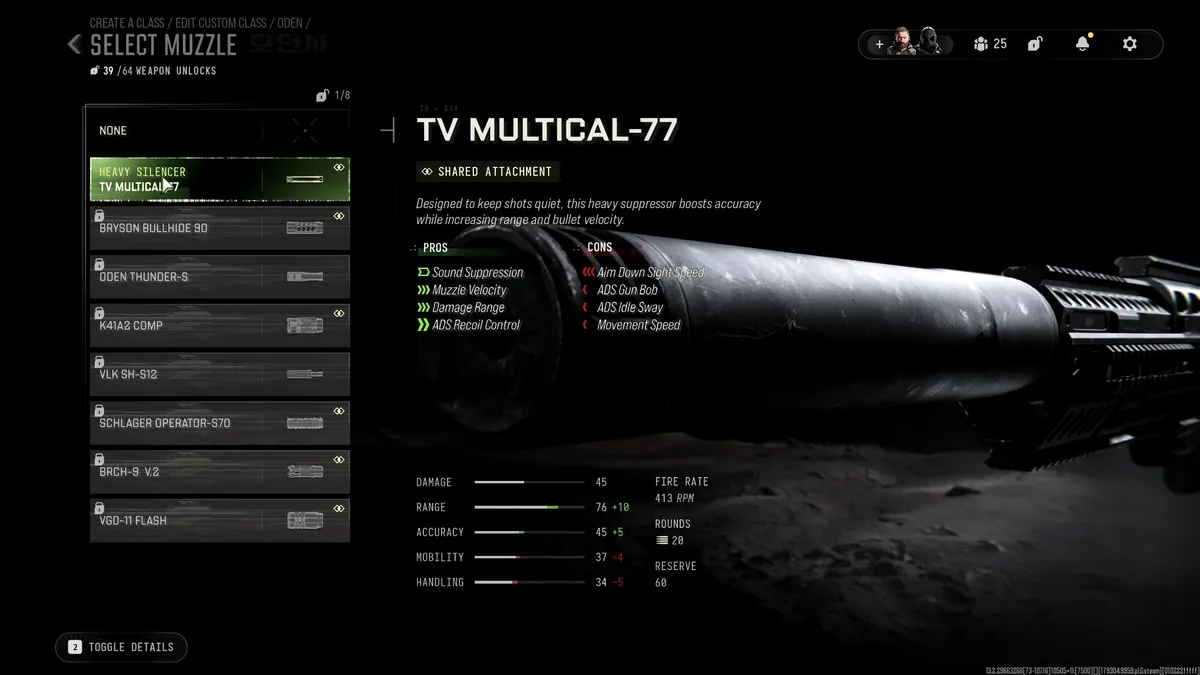
In some cases, Infinity Ward has saved a boring gun by giving it cool attachments. The Han 86 was, to my eye, the most boring assault rifle in the game until I discovered an integrally-suppressed barrel that all-but transforms it into an MP5 in aesthetic and behavior (an FPS classic I'm always happy to see). Attachments feels like bigger choices here than ever before—you can only use five at a time, and instead of stuffing Gunsmith with 20+ barrels, muzzles, and grips that do almost the same thing, there are fewer options per category that are usually the best at what they do.
Infinity Ward has also inherited prestige attachments—the best idea to come out of those recent Black Ops sequels. Called apex attachments in Modern Warfare 4, they're add-ons unique to each gun that drastically change their behavior or add a new dimension to how they work. You only get these after maxing out a gun (or by having a blueprint with them already applied), so I don't have many yet, but I love the ones I've played with.
They range from absurd to subtle:
- The Hyeon Burst's apex turns it into a hybrid burst-auto rifle, beginning with a sped-up burst and transitioning into slower automatic fire as I hold the trigger.
- The M4's apex swaps its traditional magazine for the top-mounted, graphics card-shaped extended mag.
- The Oris DMR gets side-mounted throwing knives (yes) that you can flick at enemies to counteract the gun's close-range weakness.
- The PPSH SMG gets an underbarrel launcher that spews hot napalm on the ground for some on-the-fly area denial.
Apex attachments aren't always worth the hype—I found the Mojave revolver's that lets you "fan the hammer" to fire faster underwhelming as an idea—but they're a way more enticing reason to progress in Modern Warfare 4 than camos or gaudy playercards.
War should change
Elsewhere in the land of "details you end up caring about after 20 years of Call of Duty" are nice quality-of-life touches in Create-a-Class, like the option to copy killstreak or perk selections to other classes, or assign operator skins on a per-class basis.
Then there's all that minutia that Infinity Ward is making a big deal about: revamped movement that allows for smoother mantling and sliding, a depth of field trick that unblurs important parts of the screen, less disruptive gunsmoke, better-looking hipfire. At the time, these all struck me as weirdly minor improvements to trumpet as big swings, and it's now clear why: Modern Warfare 4's core multiplayer takes no big swings. It is, at its core, about executing better what was already there.
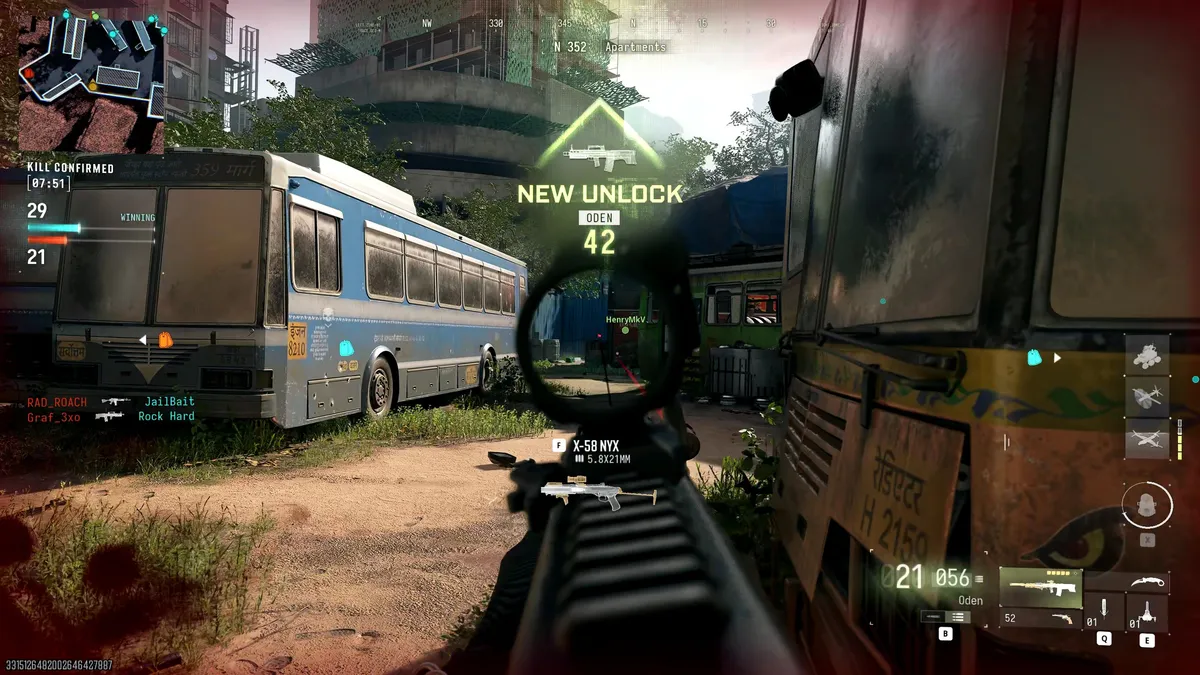
That approach has its upsides, like a ridiculous attention to detail, but it underlines Activision's continued disinterest in challenging Call of Duty's status quo. Never has a shooter franchise been so shackled by traditional design choices that haven't been good for years: Killstreaks are still lopsided power trips that bring matches to a screeching halt so that the best player on the server can rack up more kills. Maps are still uninspired square boxes with three lanes and an allergy for verticality. Gunsmith still favors making every gun the same zero-recoil, high-capacity laser beam that wins firefights. It has been 19 years since Call of Duty 4, and I'm still getting shot by a guy who spawned behind me in Team Deathmatch.
The small country of developers who make Call of Duty could take a special interest in these problems, but they consistently don't. Instead, they design sequels around bolted-on distractions—jetpacks, hero abilities, Omnimovement—while actual big swings, like Warzone and DMZ, happen elsewhere on the main menu. We should all want more from a series that asks us to fork over $70 every year.
There is one exception, and it's sadly flying under the radar so far. Among Modern Warfare 4's slate of new modes (several of which are competently made but destined to be ignored) is Frontline, a TDM variant with one change: Teams spawn on opposite sides of the map, and those spawns never change. It sounds so minor, but it's the greatest thing to happen to Call of Duty multiplayer in a generation.


I almost couldn't believe how much better Call of Duty plays with consistent spawns: I can confidently move through the map with an idea of where enemies will come from, which gives matches an understandable continuity—a sense of tug-of-war. Matches are slower, lives more deliberate, and I'm not getting shot in the back.
My life is, for once, not up to the pull of a slot machine. We have territory, they have territory, and there's a middle ground to fight over. It's a winning formula that has worked in better casual shooters for decades (Team Fortress 2, anyone?), and singlehandedly fixes a gigantic problem with these games. Frontline is easily my new favorite way to play Call of Duty and should become the new normal, but knowing Activision and the Call of Duty audience, it'll probably be cycled out of the game and forgotten by next quarter.
DMZ
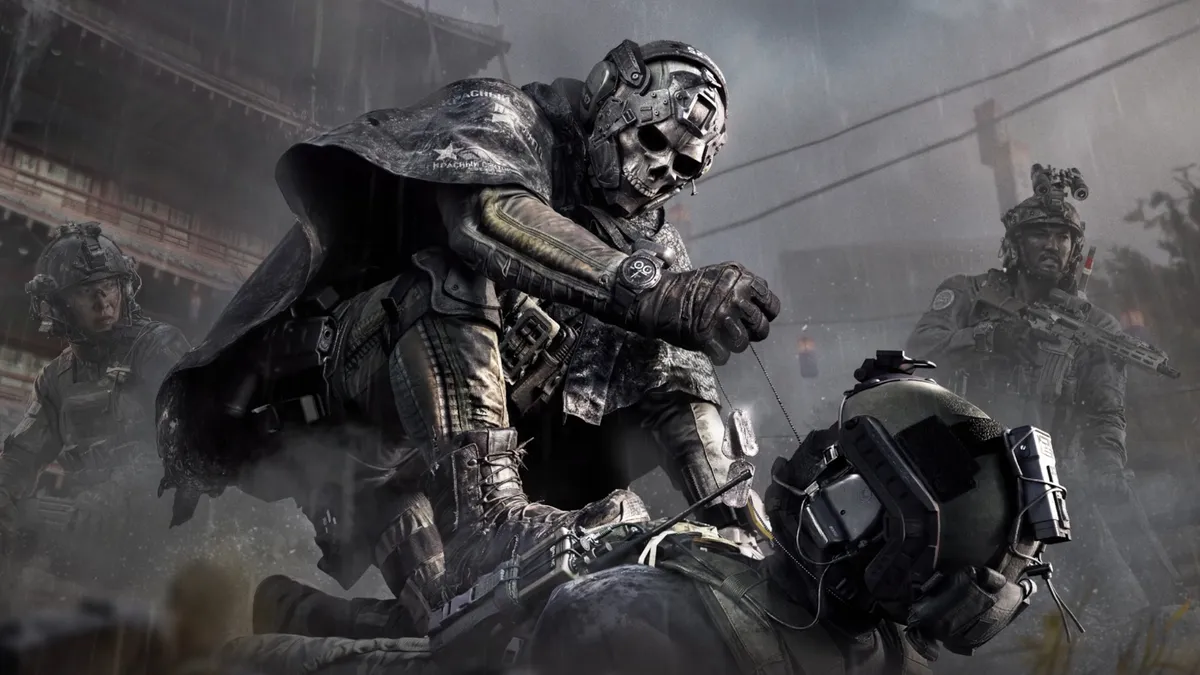
DMZ is, in many ways, proof that Call of Duty shouldn't be afraid to change.
Going into my first day with the mode, I honestly thought the last thing I needed was another extraction shooter. This genre can be so consuming with its long grinds and punishing stakes that, beyond the occasional Hunt: Showdown night with friends, these days I gravitate to the more consistent, team-based, and casual end of the FPS spectrum. There is no "pick up and play" extraction shooter—or wasn't, until now.
Infinity Ward has made exactly what it's claiming with DMZ: A full-fledged extraction shooter that could be a standalone game like Escape From Tarkov or Marathon, but is instead the third pillar of a yearly Call of Duty installment. Its systems are extensive, its Hajin City map haunting and expansive, and it might have the least annoying chores of any game like it.
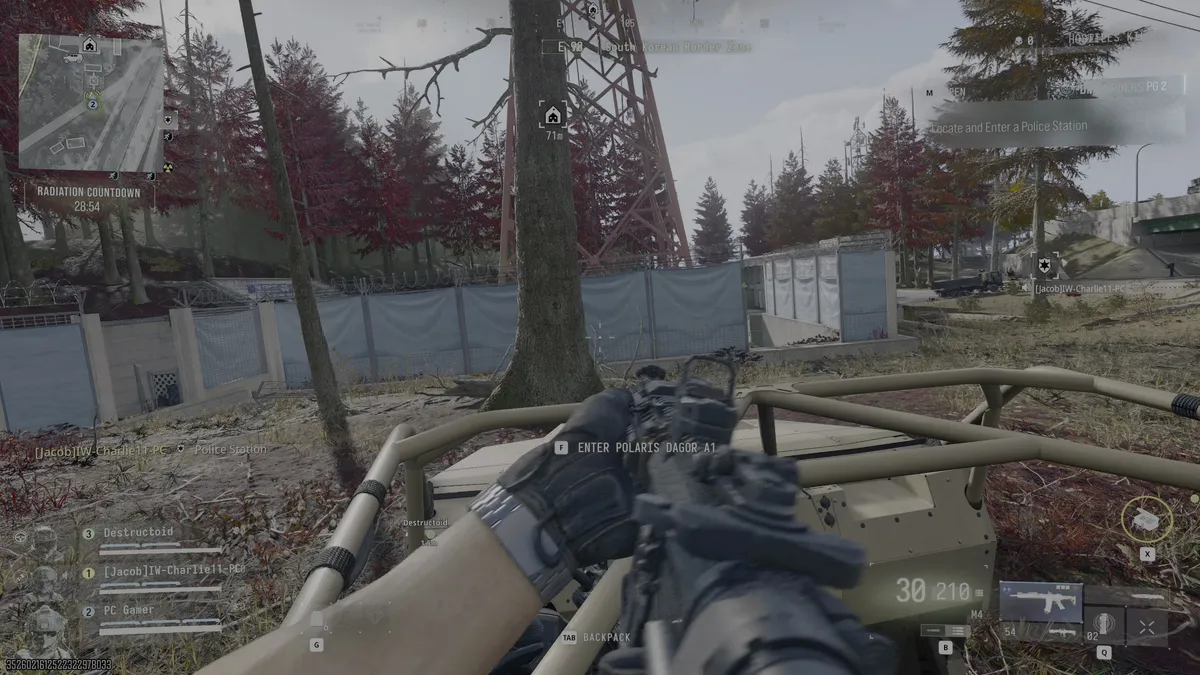
DMZ definitely has room for improvement, but I'm impressed. When I look at Modern Warfare 4's iterative core multiplayer and wonder what Infinity Ward has been doing these past four years, I realize this is it.
To me, what sets DMZ apart is how Infinity Ward isn't so interested in loss. Money is easy to make through a combination of valuables, faction assignments, and Dynamic Ops (multi-step missions that randomly populate the map). Cash earned through these missions is "banked", meaning I can't lose it even if I die without extracting. But I'm less likely to actually die than in other games, because I can pick myself up from a DBNO state once at the cost of max health.
Everything accrues XP that unlocks new stations at my FOB, crafting recipes that make future runs more convenient, and traits that permanently enhance my operator. Some of those traits are a huge deal, like a free self-revive in every match, and they don't disappear when I have a bad game. Instead, dying in the field triggers an MIA status for that operator that I can clear any time by dropping a wad of cash.
It's quite generous for this type of game, and I like it. DMZ wants me to always move forward, and in that sense, it sometimes feels more like a Call of Duty RPG.
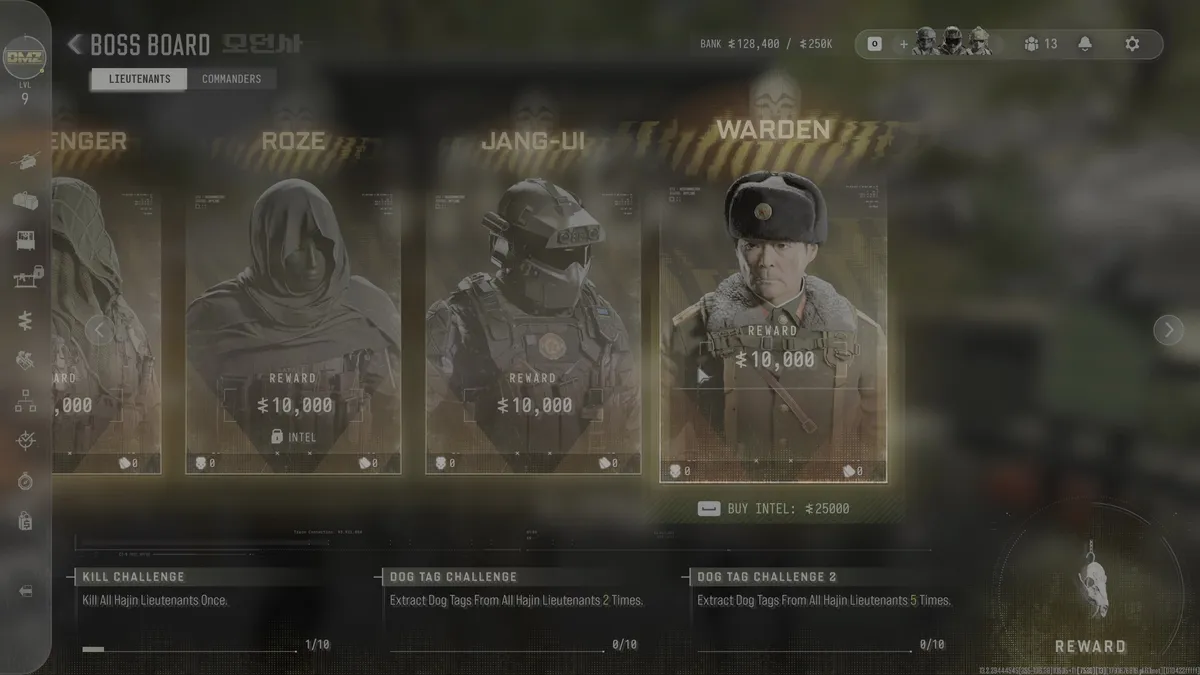
But it's not like DMZ is immune to gear fear: I had a few anxiety-inducing moments where an especially rare valuable, stack of crafting materials I needed for upgrades, or a rare weapon blueprint was burning a hole in my pack as I tried to sneak off to an extraction site. Hajin City's non-player threats—soldier patrols, helicopters, and drones that snitch on you—have yet to challenge or surprise on the level of Arc Raiders' sophisticated apocalypse machines, but they could easily overwhelm when I took my eye off the ball. I was ready to call the NPC soldiers a bunch of scrubs until they nearly ruined my best run yet.
This gets to my other favorite part of DMZ: Every extraction shooter has chores, but DMZ has a lot of structured events, locations, and formalized missions that can turn grocery runs into something bigger.
A perfect DMZ round
Like one time, a match started as a quick solo trip to find "rigid synthetics" for a stash upgrade I'd been working toward. The description for that material said they're found in residential areas, so I entered an apartment building, looted a locker, and found something I wasn't looking for: a rare key to the "Netshin IT Room."
That key had a helpful description: Unlocks the high-security server room deep within the server clusters on the upper floors of the Netshin Tech Complex within The Grid.
New sidequest added. I love that the hint didn't give everything away: I knew generally where I was going and what to look for, but no arrow or waypoint to follow. So I drove to the center of the city and found The Grid, one of the most dangerous zones in Hajin. You can tell because it's red on the map and walled off on all sides, announcing that you'd have to be dumb to run in there alone.
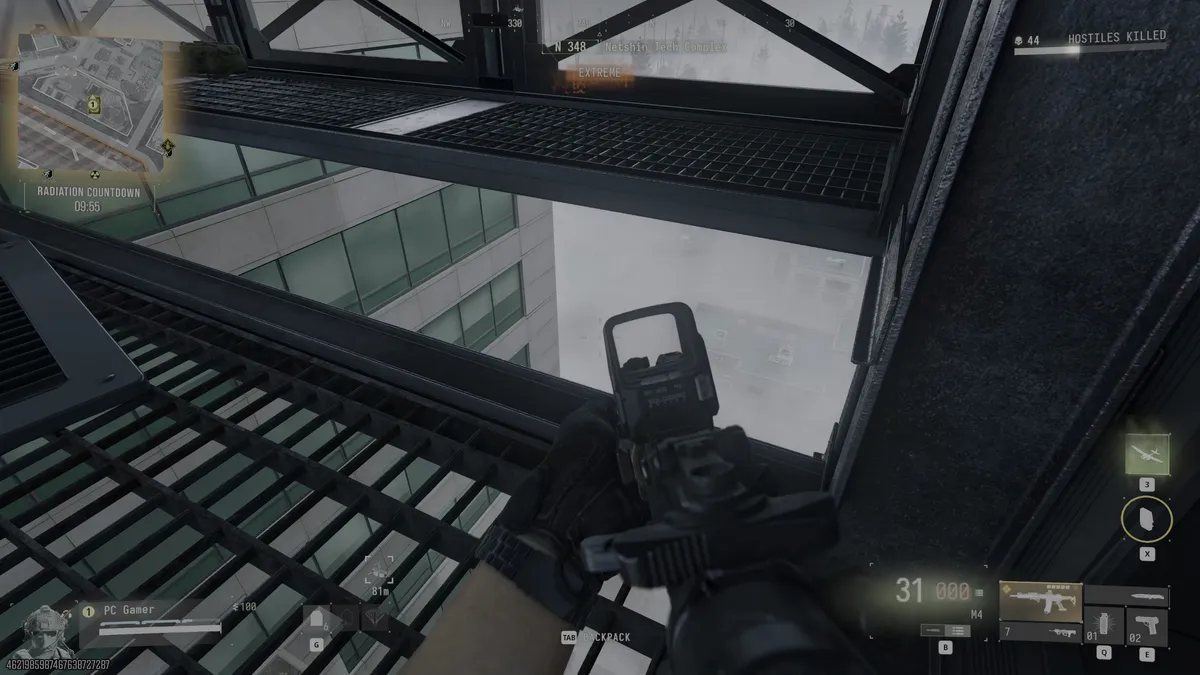
So I ran in alone, storming the Netshin building and almost dying to heavily armored grunts twice. I ran up six flights of stairs (there was probably an elevator) until I reached the top and started checking every door. Surprisingly, there were other locked doors in Netshin that led to other exclusive areas, and Netshin is just one highrise of several in this part of the city—this map is dense.
I finally found the IT department, used the key, and strolled in thinking I'd hit the jackpot. Not quite: I'd actually disturbed the nest of Jang-ui, one of Hajin's miniboss "lieutenants" that have a chance to appear in each match. Auto-turrets placed in all four corners of the room caught me by surprise and almost killed me on their own, and reinforcements from elsewhere in the building flooded in as well. It was a squirrely fight typical of Call of Duty PvE: Lots of sprinting across the room to buy time for reloads, dumping pounds of lead into Jang-ui's stupid head, and pressing G to replenish armor.
But he finally died, and the rewards were huge: A kitted burst rifle unique to the boss fight and a weapon manual that'd unlock a gun permanently for crafting. That, plus a pile of useful materials, including the synthetics I'd originally been looking for. It was a sweet haul I really didn't wanna lose, which still felt very possible, as I was out of ammo.
I thought for sure I was home free when I found a ventilation shaft that spit me out on the scaffolding under a sky bridge—a hidden exit! From there I could just jump off to escape, and it would've been the perfect end to this little adventure, except I didn't have a parachute. So for the first time, I actually used DMZ's rudimentary stealth system to sneak out of Netshin, hiding behind desks and scrounging for bullet scraps until I left the same way I entered.
PvEvolution
It was a genuinely emergent, self-appointed mission that felt like the best case scenario for DMZ. Not every part of the PvE experience is awesome. Call of Duty still can't escape how normal dudes with heavy armor just aren't interesting as opponents. They can't stack up to Arc Raiders physics-based drones, Hunt: Showdown's supernatural monsters, or even Marathon's UESC corps. But those are all games where, if you're fighting the environment, you're kind of playing them wrong: They are, in practice, multiplayer stealth games until the moment PvP kicks off.
I don't think DMZ will be like that. The fodder soldiers are boring, but they're also everywhere. Killing a few doesn't make so much noise that you're alerting the whole map—relative to its size, Hajin isn't as packed with players as Warzone's battle royale modes. I felt relatively safe to engage AI patrols for their armor plates and ammo without feeling forced into an awkward melee playstyle. That's good, because everything worth doing in Hajin plays out like a mini Spec Ops mission (we all remember that old Modern Warfare co-op mode, right?), including the six "story missions" that are even more campaign-like in nature.
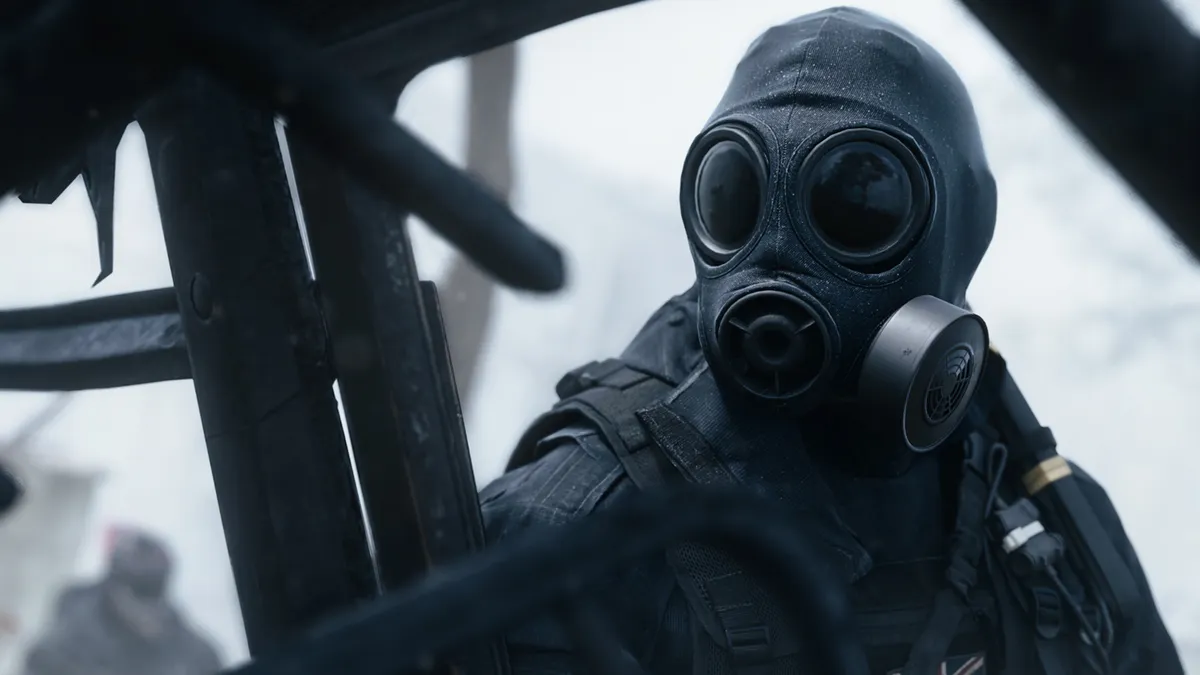
Call of Duty still can't escape how normal dudes with heavy armor just aren't interesting as opponents.
Story missions are longer, narrative-focused tasks available early on. They have more bespoke ingredients than the randomized Dynamic Ops: There's one about a casino heist and another that involves manually pushing a gurney down hospital hallways while AI attacks on all sides. These are fun and pay well, but they don't change from match to match. It seems like Infinity Ward created these as a guided on-ramp for players new to extraction shooters. You have to queue into a story mission before the match starts, and if you do, you'll be the only squad in the match with that mission.
So while DMZ's PvE factions don't stand out, the incentives for fighting them do. Dynamic Ops are repetitive for sure—I did the same "blow up the chemical weapon" routine three times over two days—but they're a better excuse to explore than just opening boxes and praying for the presence of duct tape. This directly tackles a weakness of both Arc Raiders and Marathon, and they'd be smart to steal it.
It's fascinating how Infinity Ward is throwing its weight behind both PvE and PvP here, because I can't really say the same for its competitors. Arc Raiders is, at least to me, about sneaking and scavenging in dangerous environments, not picking fights with other players. In Marathon and Hunt, the loot and boss fights are just the pretense for excellent PvP.
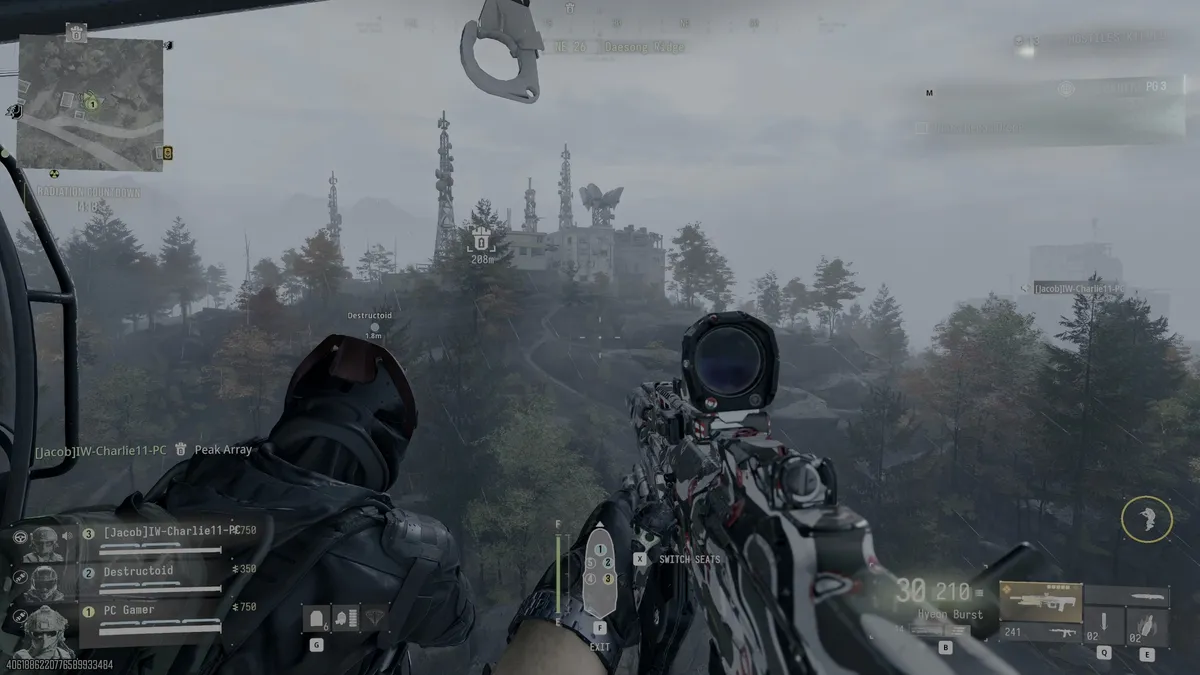
DMZ sprawls out in both directions, which gives it a unique angle, but also means it isn't the best at either play style. PvP fights have been surprisingly rare, but so far they're a lot like Warzone firefights, so just OK. Call of Duty's fast time-to-kill (even with armor plates) and generous aim assist means it's hard to bounce back from being the second one to start shooting, and leads to team fights that begin with one squadmate already down. It's a lot like fighting squads in Warzone, so just OK, but it helps that you can always revive the squad if one person lives.
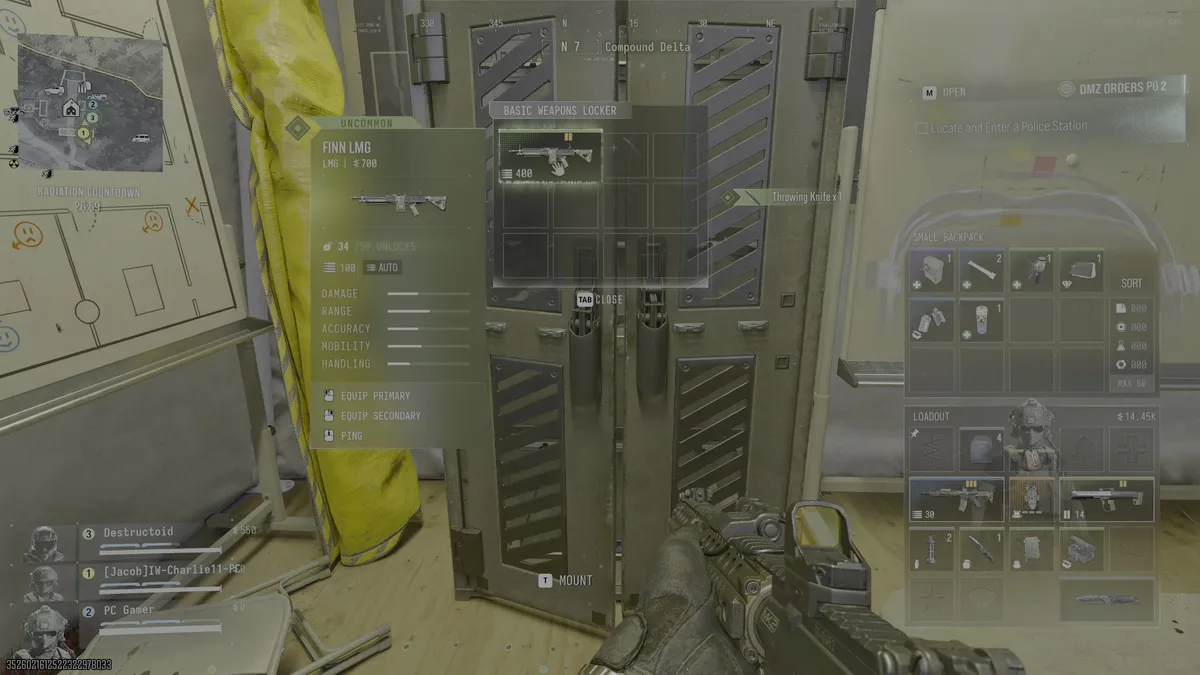
Infinity Ward told me DMZ was designed to respect your time, and that really comes through. I love the little touches of streamlining that show this is a Call of Duty extraction shooter, like how you don't need to stuff your backpack with bandages, armor plates, or stacks of ammo before heading out—that's all handled automatically. The game's also smart enough to loot the most obvious stuff for you, like ammo, crafting materials, and items that can stack in my backpack without taking up extra space. Games with this much looting is usually a turn-off, but it's very seamless and pleasant here.
They really went and made a whole-ass extraction shooter within Call of Duty, and it's surprisingly good.
Campaign
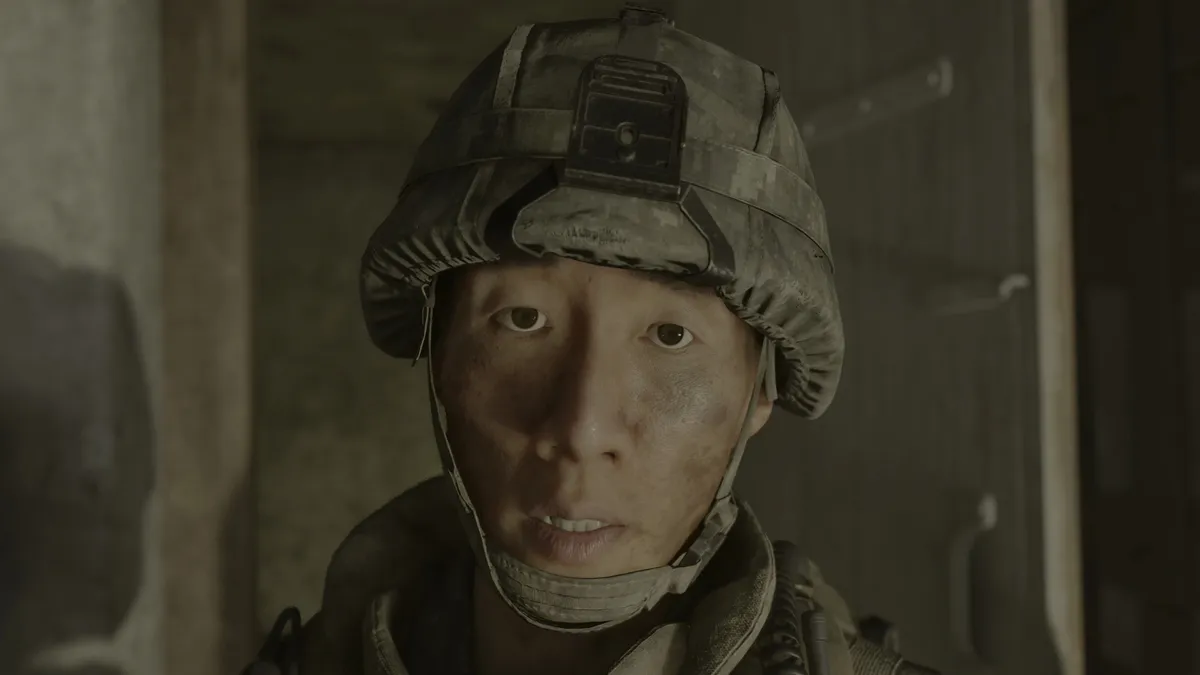
As I watched the credits roll on Modern Warfare 4's campaign, a sobering thought infiltrated: I've been playing Call of Duty for two-thirds of my life. While I consider it primarily a multiplayer game these days, what I loved about Call of Duty all that time ago was its campaigns. In 2006, as a shy fourth grader at a new school, I made my first friend because we both played Call of Duty 3 on the Wii and spent a week recounting cool moments from the campaign over lunch. By 2007 (the year of Modern Warfare, of course), our lunch table was losing its collective shit over the part where Captain Price slides you the pistol right as he (as we thought at the time) dies.
As memorable as that sequence was, it marked the moment Call of Duty became globe-trotting romps about superhuman, super serious operatives who prevent WW3 before breakfast. It was pretty badass at the time, but what they gained in the sort of spectacle that makes great Sunday Night Football ads, they lost in relatability.
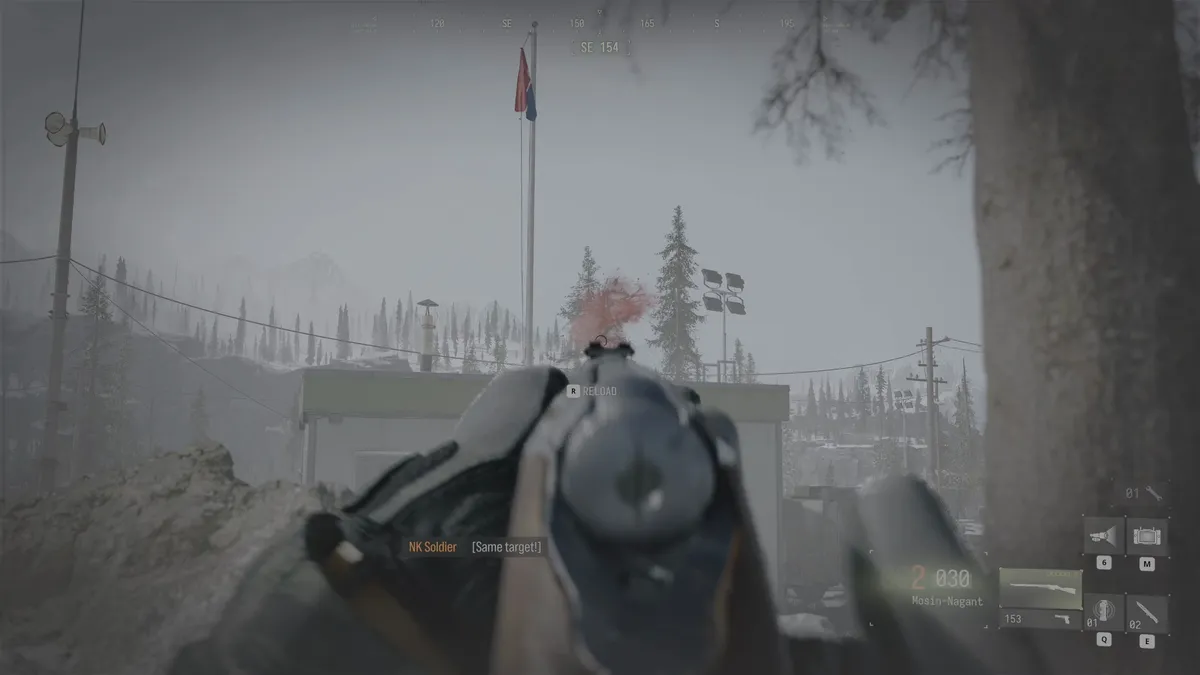
Sure, those early WW2 campaigns were shlocky riffs on movies, but they starred normal people who primarily wanted to go home—grizzled sergeants and green privates who fended off helplessness with humor. They depicted large-scale offensives won by smaller contributions. That's the energy that Infinity Ward tries to harness again in Modern Warfare 4. At times, it totally works.
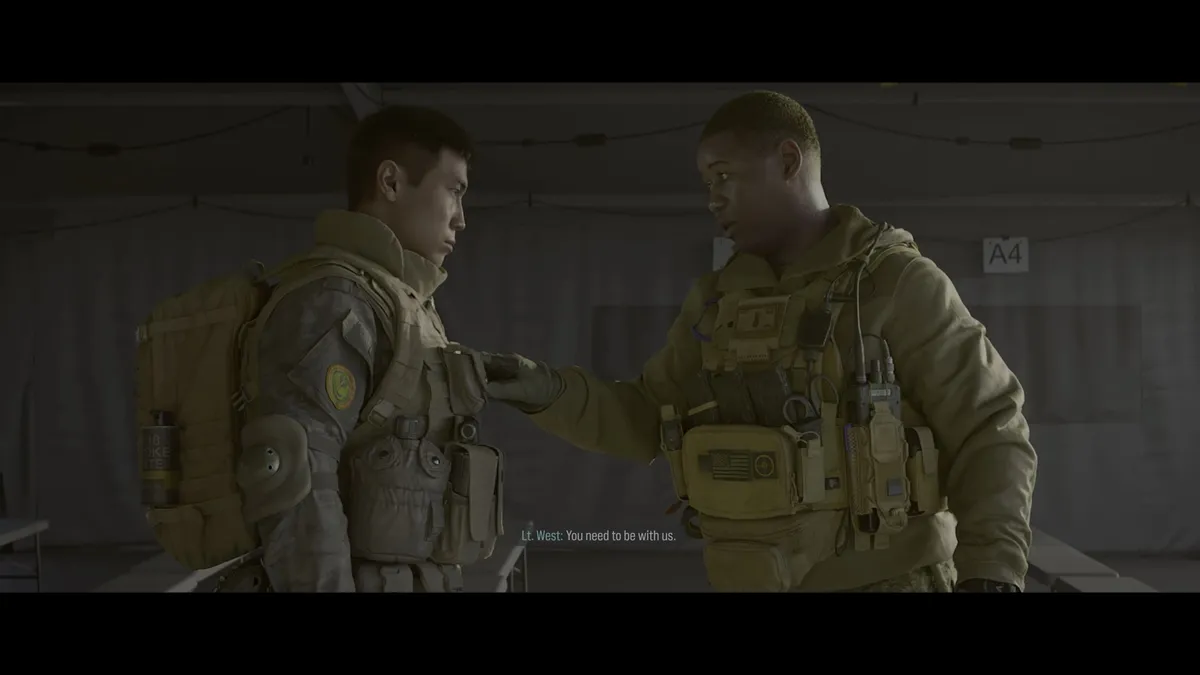
This is the most fun I've had with a Call of Duty campaign in years, lending mostly to its new, non-elite faces. Over half of the six-hour campaign revolves around a crew of young South Korean marines (plus a few Americans) running out the clock on their compulsory military service when North Korea suddenly invades. The guys themselves are familiar archetypes—a serious guy, an audience insert who doesn't talk much, an American who fills every silence with a joke—but they're basically charming enough that I cared to remember their names.
I like the idea, even if this latest "ripped from the headlines" premise of a North Korean offensive continues Infinity Ward's streak of flattening complex foreign conflicts through a conventionally American lens (while conveniently making the CIA's dogs the good guys). You'll never guess which global superpower is really pulling the strings this time, ya'll.
Going dark
Playing a "cog in a machine" again unlocks Modern Warfare 4's most standout missions
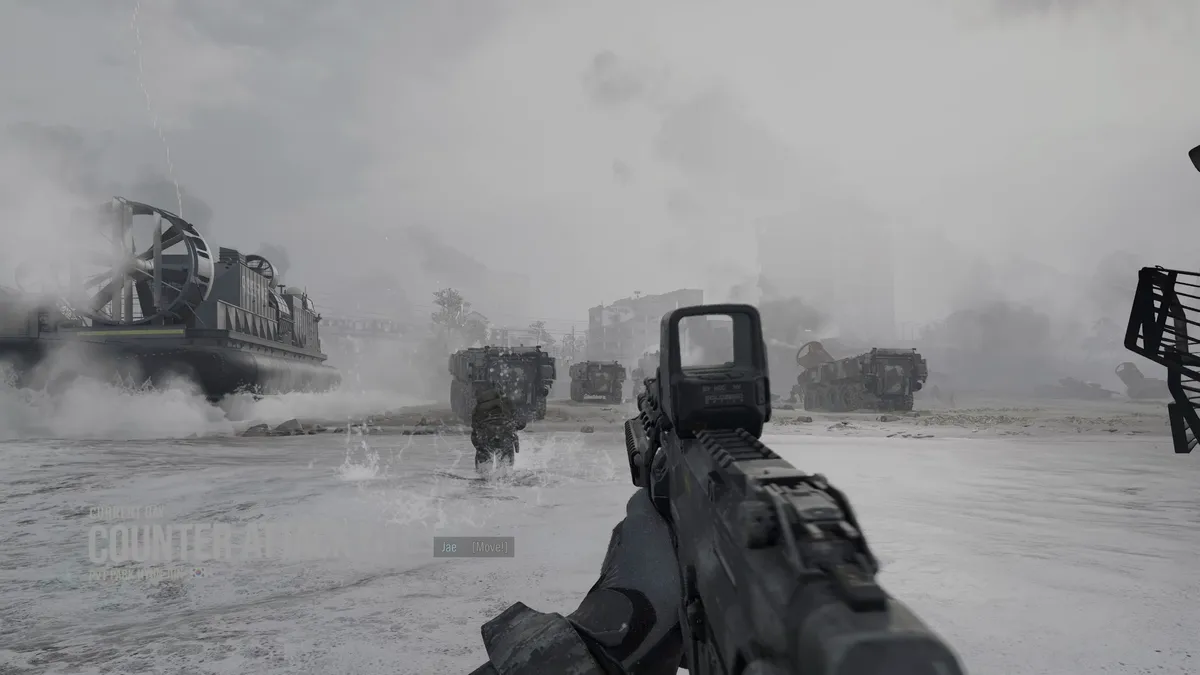
Playing a "cog in a machine" again unlocks Modern Warfare 4's most standout missions, many of which remind me of the series' best days. "Mayhem" and "Losing Ground" follow a futile attempt to hold the fictional Hajin City against the overwhelming invasion. They're loud, chaotic fights where your characters are noticeably terrified of what's happening (a rarity in a post-Price world) and your side is constantly outnumbered. Later on, "Counter Attack" ramps up the scale and intensity with a massive beachfront assault that can only really be achieved by throwing a silly amount of money at it. It's certainly a better use of resources than the overly gimmicky, Warzone-y campaigns of recent Black Ops sequels.
Even when the action gets smaller, Private Park (no relation) and friends are simply fun to follow. "Stranded" picks up with the squad crash landing behind enemy lines in North Korea, and its Infinity Ward's best swing at a sandbox level to date. The multi-hour mission establishes three non-linear objectives, side quests, and a hideout where you can craft better armor, guns, and camouflage. It's a comparatively quiet, isolating mission than the ones that precede it—almost like playing a micro Far Cry in the middle of a CoD campaign. It was a bit jarring at first, but ended up a major highlight.
I was worried this would prove to be another instance of sneaking Warzone into singleplayer, as the mission uses the DMZ looting system, but I was told the map was made just for the campaign, which is nice.
Infinity Ward could've crafted a whole campaign around Park's squad, and I'm still not sure why they didn't. Instead, their story runs parallel to the disconnected adventures of Captain Price, now a wanted fugitive because of some Modern Warfare 3 business that most people didn't see (the game acknowledges this by playing a lengthy recap video).
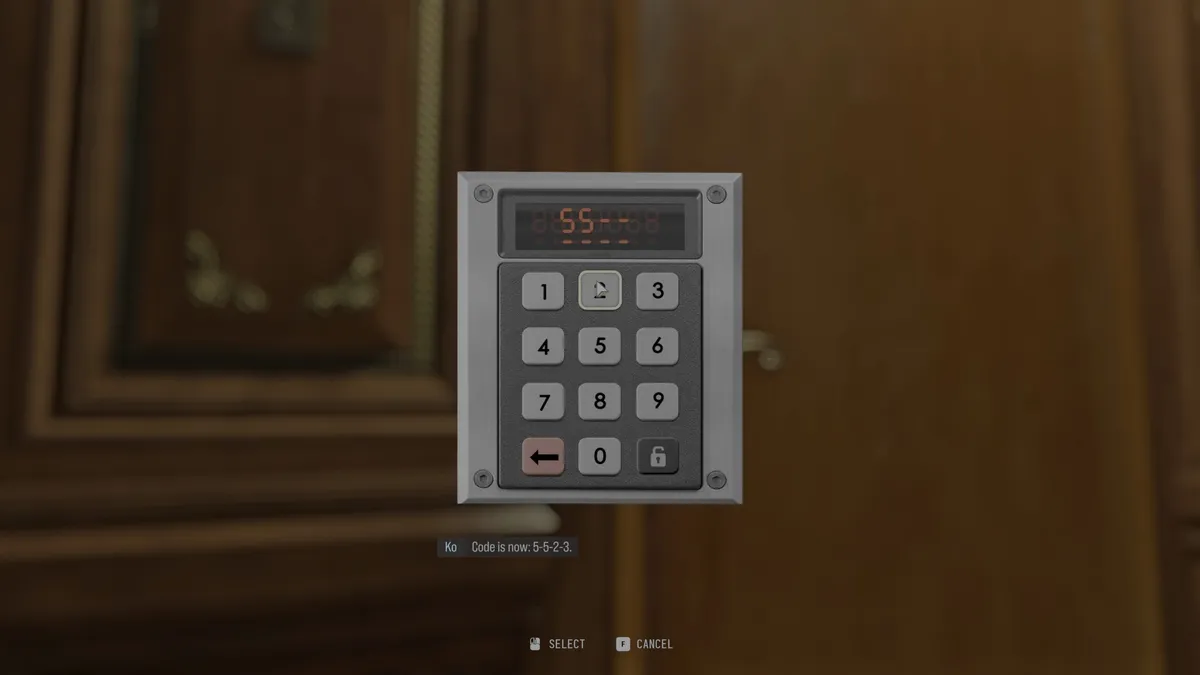
Modern Warfare 4 tries to explore a darker Price while replaying the hits—a car chase with shooting, a foot chase with jumping, a cinematic knife fight—but these sequences left my head as quickly as they ended. It's bizarre how different and less interesting this part of the game is, especially considering Price basically exits the story for the back half and never intersects with the real heroes.
It comes off as Infinity Ward checking boxes for the folks who are expecting Price stuff while also wanting, desperately, to do something else. This was billed as the conclusion of the Modern Warfare story that started in 2019, but in practice, it's more like a sprint to be done with it all. It's a shame they dragged Mads Mikkelsen into the bad parts of this one—he could've been a menacing presence in a campaign that actually had time to use him.
It speaks to the quality of this series lately that producing a regular campaign with extravagant setpieces, lavish cinematics, and basically great gunplay is a big win. Uncompromised by the influence of Warzone or Zombies, this is the first time in too long that Call of Duty's campaign does not feel like the afterthought.
Modern Warfare 4 is the bar that this series should regularly aspire to, and a reminder that Call of Duty benefits when it actually tries to change.