





Steam’s latest hardware survey has been released. The key trends for June 2023 show that Nvidia's RTX 40-series is struggling to gain market share, while Windows 10 remains the most popular gaming OS by far.
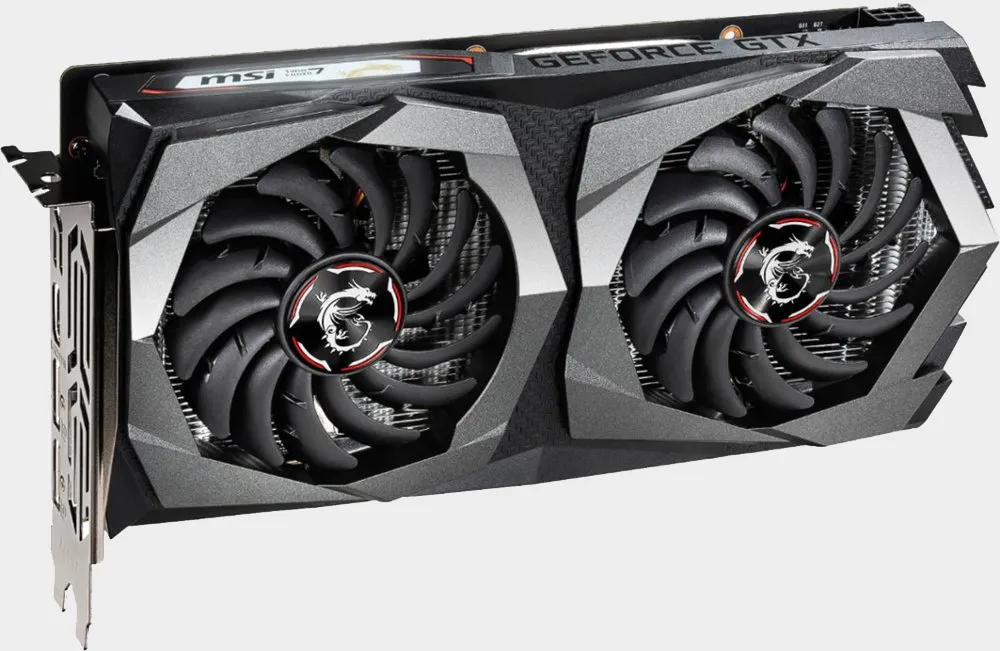
Let's begin with the video card results. Mid range xx50 and xx60 cards continue to dominate the list. The GTX 1650 is the most popular with a 5.50% share followed by the RTX 3060 at 4.50% and a previous list-topper, the GTX 1060 at 4.45%. In fact you have go down a further six spots before you encounter the RTX 3070. The majority of gamers simply cannot or will not spend big dollars on high end graphics cards.
AMD's first entry is well down the list, and it's just integrated graphics. AMD's highest ranked discrete GPU is the venerable RX 580 with just 1% of the overall market share.
What's interesting is how Nvidia's RTX 40-series has so far failed to make much of an impression, with the mobile RTX 4060 coming in 29th spot and the RTX 4070 Ti coming in 35th spot. Admittedly the RTX 40-series as a whole has been available for a fraction of the time its predecessors have been and the RTX 4060 Ti and RTX 4060 will definitely climb up the list over the next couple of years. But looking at these results, it's hard to see how Nvidia could be too thrilled with RTX 40-series uptake. Does it really care when it's making billions from AI hardware though?
Steam Deck review: Our verdict on Valve's handheld PC.
Accessories for the Steam Deck: Get decked out
Steam Deck availability: How to get one.
Steam Deck battery life: What's the real battery life of the new device?
Steam Deck - The emulation dream machine: Using Valve's handheld hardware as the ultimate emulator.
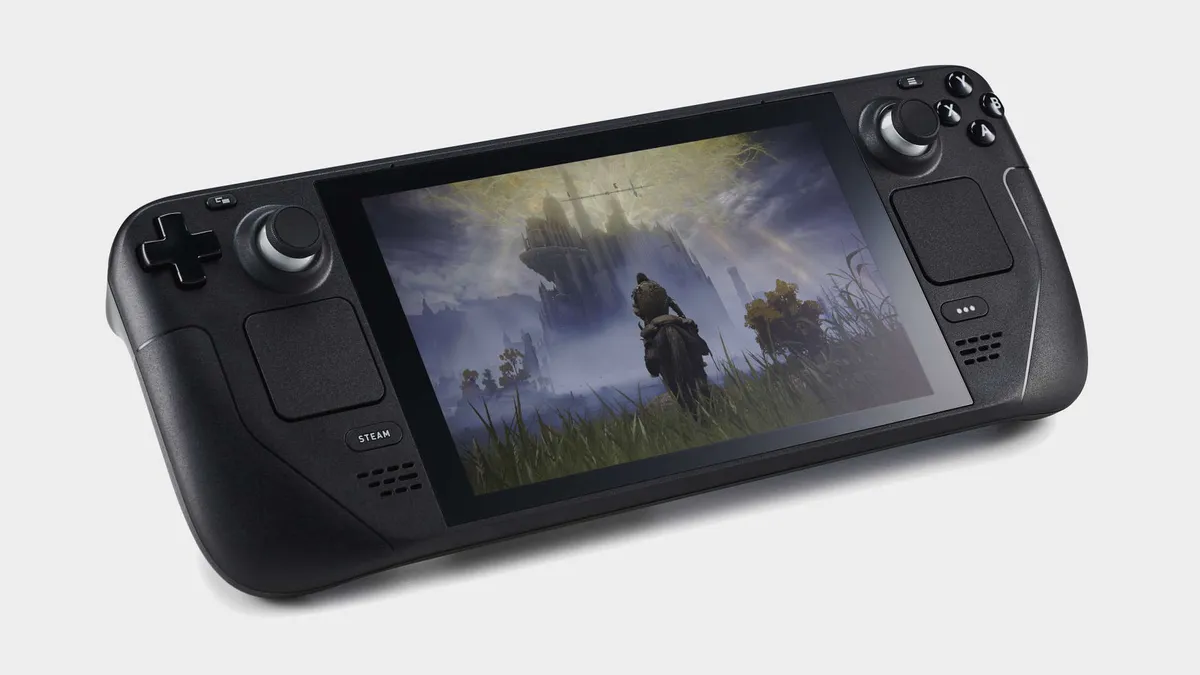
The CPU results haven't changed much in recent times. Intel maintains a roughly 2:1 advantage among Windows users. Interestingly, AMD chips are popular among Linux gamers, where that 2:1 advantage flips in favor of AMD. That's the Steam Deck effect for you in a nutshell.
What really surprises me is the relatively slow uptake of Windows 11. It has a market share of 35.75% compared to Windows 10's 59.43%. Some of that could be due to it being the OS that happens to be on older gaming systems, but Windows 11 hasn't provided an entirely smooth ride for gamers, whether it's steep system requirements or a bug that affected Windows 11 22H2. Microsoft will continue to support Windows 10 for over two more years, so many users aren't in a rush to upgrade.
It's worth noting that the Steam Hardware Survey is better seen as a rough idea of market share than an ultimate marker of it.
When it comes to monitor resolution, 1080p remains the most popular resolution by far at 62%, though it is slowly but surely losing a bit of share to higher resolutions, including ultra wide resolutions. Every reported resolution above 1080p saw an uptick in adoption.
So, in June 2023, the most common gaming system comes with a six core CPU, 16GB of RAM, a GTX 1650 and Windows 10. As long as GPUs don't offer major performance leaps at prices similar to prior xx50 cards, it's hard to see that changing any time soon.

