Recently a bunch of motherboard and component makers have been validating their stuff for Chinese-made memory. That's brands including biggies, such as MSI and Asus. The reason, it turns out, is apparently a massive ramp up in the amount of DRAM production coming from China, especially from memory maker CXMT.
Basing their analysis largely on Citrini's research, analyst Zephyr on X explains that, with all the changes afoot for the company, "CXMT can potentially add 600k-1.1M WPM [wafers per month] of DRAM capacity and have a total capacity of around 950k-1.45M WPM."
That predicted capacity includes 350,000 WPM produced by CXMT by the end of 2026, which TechPowerUp correctly notes is close to the 375,000 WPM that Micron is expected to hit this year. In other words, it looks like a Chinese memory maker will very quickly catch up to Micron.
The industry changes leading to this include, of course, expanding fabs, but also potentially building new ones and also creating a new R&D line. YMTC, too, is expanding, though seemingly not to the same extent.
All of this can be done incredibly quickly, compared to what we see in the West, according to Zephyr: "cleanroom construction time is around 12 months compared to 21-24 months in the Rest of the World."
This is in large part because Chinese memory companies can receive a bunch of state backing. In a time when there's a global shortage and massive demand, it's not exactly difficult to justify funding from state or private sectors.

So, it's not really a surprise that component makers are validating their products for Chinese memory. The customer demand is most definitely there for the new memory to be made use of, so motherboard BIOS updates from MSI and Asus validating faster Chinese memory, as has been occurring, make sense. As does Corsair and Lexar using (or planning to use) CXMT DRAM in its Chinese-aimed RAM kits.
Our own previous research on Chinese RAM indicated that while it's good enough for gaming, the value wasn't there. But with massively increased production, that could change, especially if, following Asus (but not MSI) these Chinese memory-validating BIOS updates aren't only for mobos in China. Fingers crossed. Though I suppose AI server demand is high enough that it will still chomp through a lot of this new global memory capacity, too.
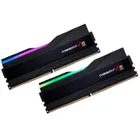
1. Best DDR5 overall:
G.Skill Trident Z5 RGB 32 GB DDR5-7200
2. Best budget DDR5:
Teamgroup T-Force Vulcan DDR5-5200
3. Best high-capacity DDR5:
G.Skill Trident Z5 64 GB DDR5-6400 CL32
4. Best DDR4 overall:
TEAM XTREEM 16 GB DDR4-3600
5. Best budget DDR4:
G.Skill Ripjaws V 16 GB DDR4-3600
6. Best high-capacity DDR4:
Corsair Dominator Platinum RGB 32 GB DDR4-3200