


"AAA publishers are abusing early access, skewing player expectations in such a way that it heavily disadvantages smaller independent developers."
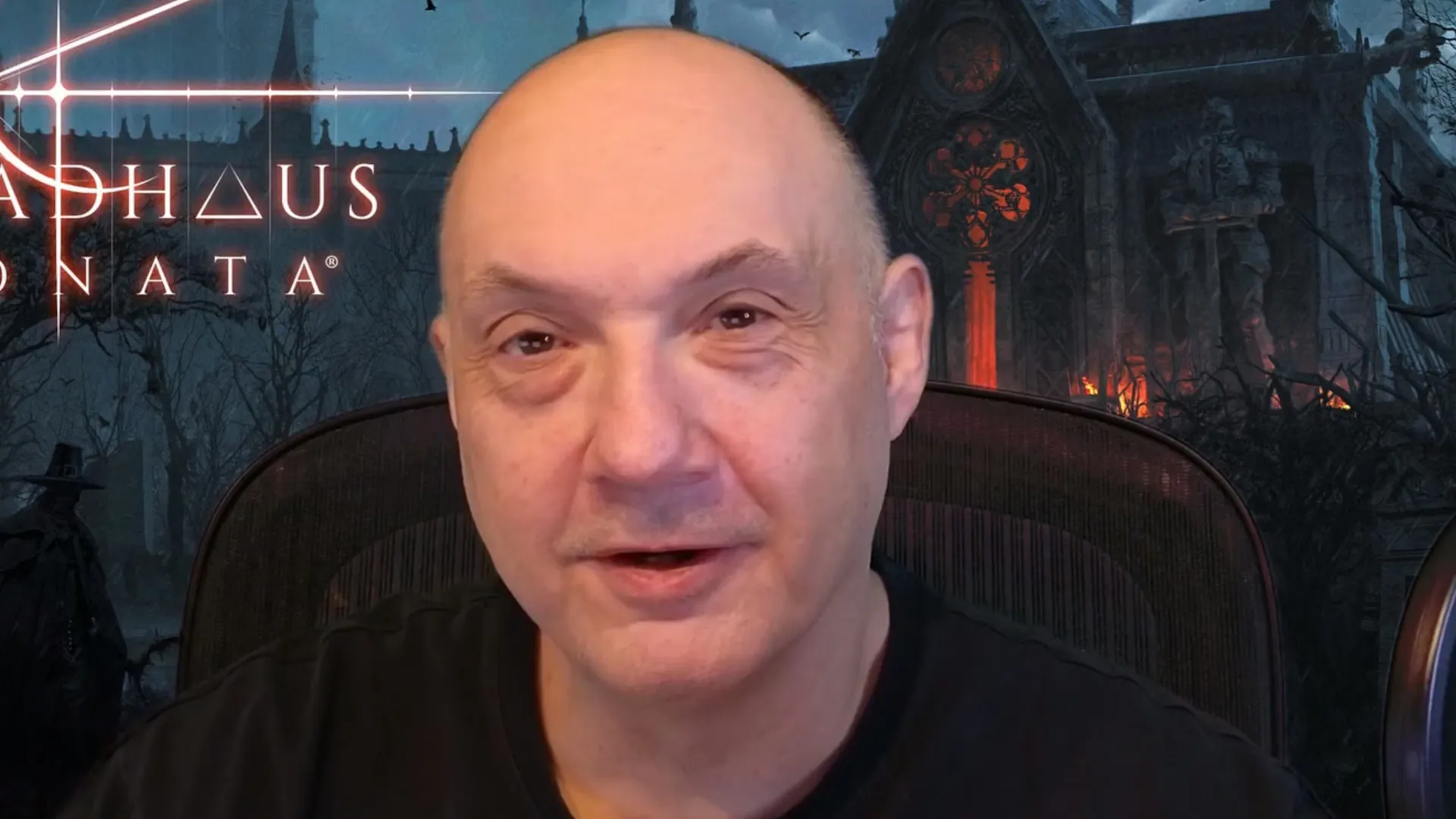
Denis Dyack, known for his work on games including Blood Omen: Legacy of Kain and Eternal Darkness: Sanity's Requiem, says big game developers are "abusing early access" by using it as a marketing tool for highly polished games that are ready for full release anyway. That, Dyack believes, has shifted expectations for early access releases overall, and made life more difficult for indie developers who rely on the process to actually get their games finished and launched.
"They can put up a polished product and rake in cash," Dyack told GamesIndustry. "It's a marketing beat for them. So, that leaves players often expecting a near-perfect game that, in our opinion, defeats the purpose of early access, which is a collaborative development process based on player feedback.
"AAA publishers are abusing early access, skewing player expectations in such a way that it heavily disadvantages smaller independent developers."
Dyack said games like Subnautica 2 and Path of Exile are "drastically changing the landscape and players' expectations," which in turn has led to "significant barriers to entry" for less polished games like Dyack's current project, Deadhaus Sonata, which is now in early access on Steam.
Ethan McKinnon, who joined Deadhaus Sonata developer Apocalypse Studios as creative director after the game's rough early access launch earlier this year, added that "players naturally compare everything in the same marketplace, so smaller teams are being held to a much higher standard than they were in the past."
Interestingly, Subnautica 2 creative director Anthony Gallegos seemed to agree with at least part of Dyack's proposition, saying in the same report that early access is "not a few edge-case games participating anymore."
"Early access could mean a game like ours doing long-term open development, or it could be a game three months from a 1.0 release that's effectively doing a paid beta soft launch and using the Early Access term as a way to soften player expectations," Gallegos said. The result, he continued, is a "more diverse and confusing landscape."
I think that point is more salient here than any perceived 'abuse' by big publishers: It's tough to set meaningful broad expectations for "early access" when it's such a loosely defined term in the first place. But even though I'm not entirely convinced by Dyack's argument, he and McKinnon do have sensible advice for developers looking at early access launches: Ensure the game runs well, pay attention to Steam reviews, and connect with influencers who can get it in front of eyeballs.
Dyack admitted that Apocalypse Studios missed those points with the early access release of Deadhaus Sonata earlier this year. "We failed to prioritize the basics right from the get-go," Dyack said. "Also, we didn't handle Unreal Engine properly at the time and didn't do a good job explaining what made our game cool and different. In a lot of ways, we were too focused on what made our game so different and unique that it took our attention away from making sure we got the basics done right."
McKinnon put it more simply: "Developers need to treat early access like a real launch, because players do."