


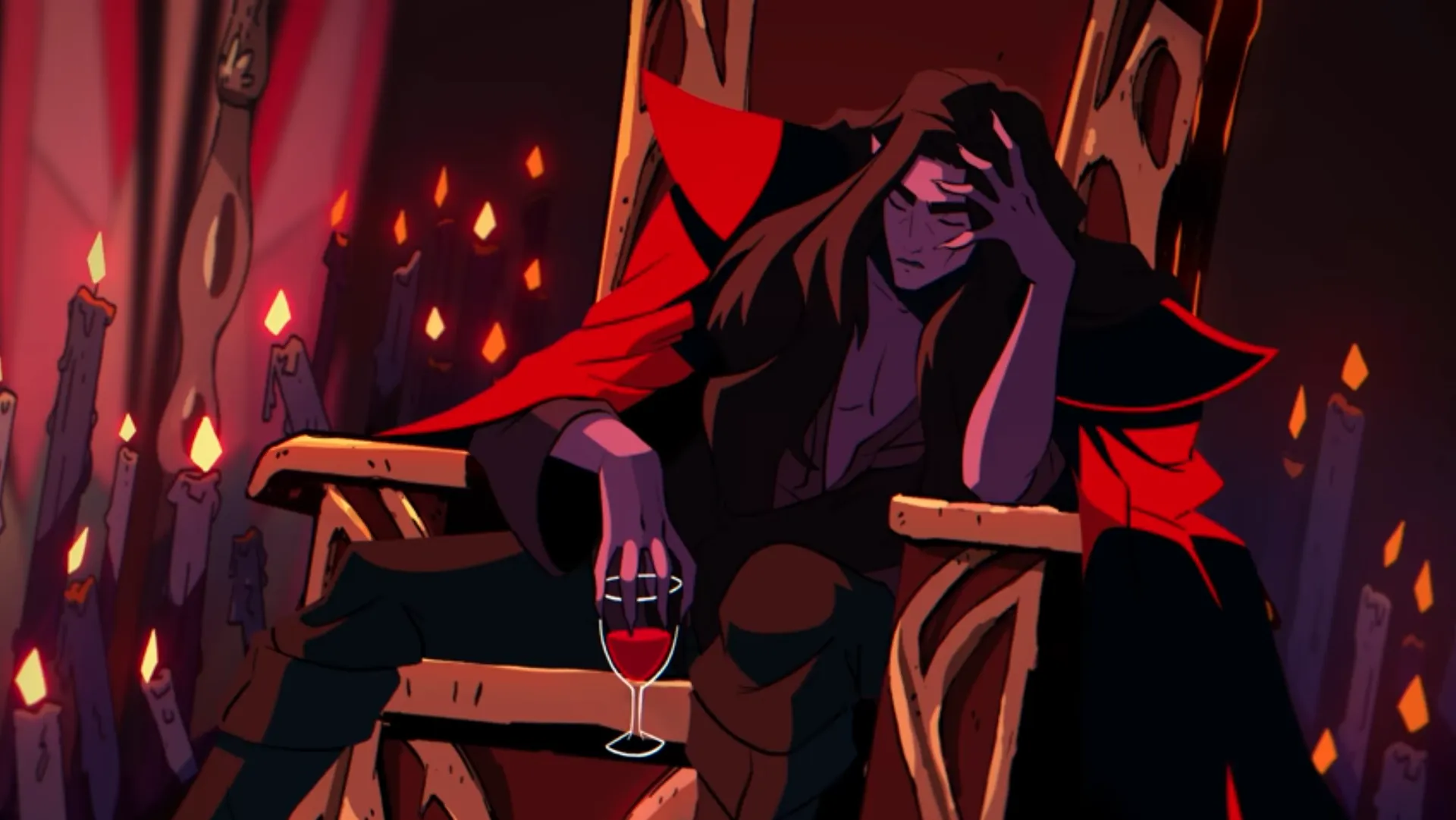
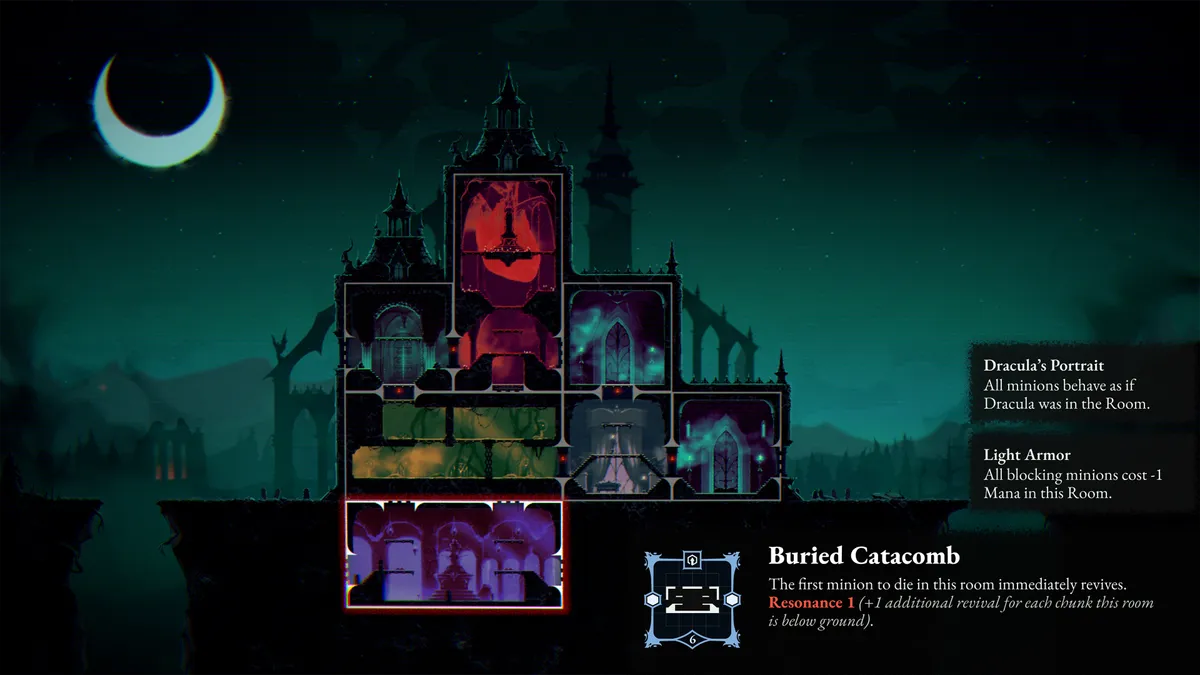
Moonlighter and Cataclismo studio Digital Sun Games announced yesterday that it had canceled plans to release a wide public playtest of its forthcoming "tower defensevania" roguelike ReVamp. The reason? The rollout of a more powerful AI model in Anthropic's Claude Opus 5.5 has led to a surge in hastily turned around clones and decompiles, resulting in thousands of cheap and nasty products flooding Steam and Roblox.
The studio doesn't want people to decompile and steal ReVamp's code. It also wants to prevent opportunists rapidly vibe coding a clone that would hit the market well in advance of ReVamp's March 2027 release date.
While clones have obviously existed forever, for a studio to worry that its concept—and its code —may be pilfered and turned around within days is unprecedented. Digital Sun Games is not the only studio to cancel a demo due to these anxieties.
Digital Sun Games' marketing manager, Israel Mallén, reached out earlier this week to alert me to the demo's cancellation. I shot back a few more questions to get a sense of what the current situation is for a small but experienced dev team.
Scaling a "large playtest" down to a smaller, even more private one must come with marketing / exposure setbacks, right?
Yes, it affects us a lot, mostly in terms of how many people we can actually reach. We had tens of thousands of people signed up for the original Steam playtest. Moving it to Discord means we're looking at a playtest of a few hundred people at best, since we're granting access manually.
Moving to Discord is really about control. We can ask people to sign an NDA, we can see their activity on our server, and we can answer questions live as they play. On Steam, the only lever we have is country-based access. There's no way to vet individual users or tell an active player, someone who buys games, leaves reviews, takes part in forums and other playtests, from an account that was just created for the occasion.
With how fast reverse engineering and recompiling tools have gotten, putting a build in front of that many people this early feels too big a risk. It exposes us to someone lifting the idea, or even shipping something similar to ReVamp before we're ready to launch. You could think that ReVamp's gameplay is a bit more complex than something like an idle or incremental game, but the risk is still there.
We think platforms need to put real protections in place for original work, so developers can keep sharing their games with fans normally.
We'll still do public playtests and demos, just much closer to launch. That means months where we lose the chance to gather feedback at scale and with real players, and get content creators talking about the game. It has a direct impact on how many players we can reach and how visible we are in the market, at a moment where that's already hard enough.
Have you ever worried about quick, opportunistic clones of your demos before this moment, or is it a direct response to the Opus 5.5 avalanche?
We've been making games like Moonlighter and Cataclismo for a decade, and we'd never felt this kind of worry about sharing our games with the community before. If you can’t show your game to the world without fearing it’ll be cloned, something’s broken.
We think platforms need to put real protections in place for original work, so developers can keep sharing their games with fans normally. It's literally how we make a living. In our case, we have the cushion of 250k wishlists and years in the industry behind us, but we're thinking just as much about the developers just starting out. They shouldn't have to make games [while] afraid of this.
How can Valve and other storefronts combat this?
Honestly, it's hard to say. We don't have the full picture of what storefronts are already doing behind the scenes, and none of this is easy to solve at scale. From where we stand, a couple of things could help. Storefronts are probably in the best position to act, since builds already go through them. On the playtest side, more tools to vet who gets access, like account age, playtime or review history, would let developers keep testing in public more safely. It's complicated, and it will definitely need a lot of input from other devs and companies.
Has this changed the team's attitude towards AI use in game dev?
Well, this situation highlights how new risks are emerging very quickly and without any real control. As an industry, we really need to talk about how to make sure original work is protected.
Where do you see this leading indie game dev in the next six months?
Unless measures are taken, public playtests and demos far from launch will feel risky, especially for games with simpler mechanics or visuals that are easier to replicate. No matter how original or catchy your game is, nothing stops someone from downloading your demo and putting out their own version of it.
If that fear spreads and protections don't arrive, developers will hold back. We'll see fewer public playtests and demos. And when they do happen, they'll be much closer to launch, working more as a marketing tool than as a way to improve the game together with the community.