As is ever the case, hackers are a devious old bunch, and this time, they're using your desire to finally get a job to stick a virus on your PC. Ironically named 'JobStealer', one Trojan virus is buried in a fake video conferencing app.
As pointed out by antivirus software Dr.Web, bad actors contact users looking for jobs and invite them to interview via a video conference website intended to look like a real one, which prompts users to download its software.
In many of these cases, the software has connected social media accounts to make it all seem real. Bad actors are also spoofing real sites like Webex to add legitimacy to their attacks. If you happen to get contacted by one of these scammers on Mac, the site will encourage you to even run the virus via the terminal or a disk image file that runs the terminal for you—a clear red flag.
The 'Jobstealer' virus is a pretty involved one that collects data on the system itself, its browser extensions, passwords, notes and more. All that data is then placed in a ZIP archive and uploaded to a server. As is so often the case with viruses right now, this one primarily aims to steal cryptocurrency wallets.
There is currently both a macOS and Windows version of the software available to download. There are also versions for iOS, Android, and Linux, though Dr.Web has not yet seen distribution of the virus on these platforms. Still, their presence indicates that there may be plans to roll the virus out to other platforms in the future. Dr.Web does point out that its antivirus software can get rid of JobStealer, though, so it's at least detectable and removable.

Faking credentials of employers has become a more common hacking tactic in recent times, thanks in part to the prevalence of AI. Earlier this year, researchers spotted a complicated social engineering scam that used deepfakes versions of CEOs to spoof Zoom calls and prompt users to download troubleshooting software to fix software issues. As you may be able to guess, that troubleshooting software is in fact a virus.
As is ever the case, scams that rely on tricking the most desperate are a reliable method for bad actors. Just make sure to double and triple-check the credentials of the next employer who reaches out to you.
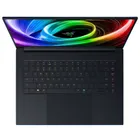
1. Best gaming laptop: Razer Blade 16
2. Best gaming PC: HP Omen 35L
3. Best handheld gaming PC: Lenovo Legion Go S SteamOS ed.
4. Best mini PC: Minisforum AtomMan G7 PT
5. Best VR headset: Meta Quest 3