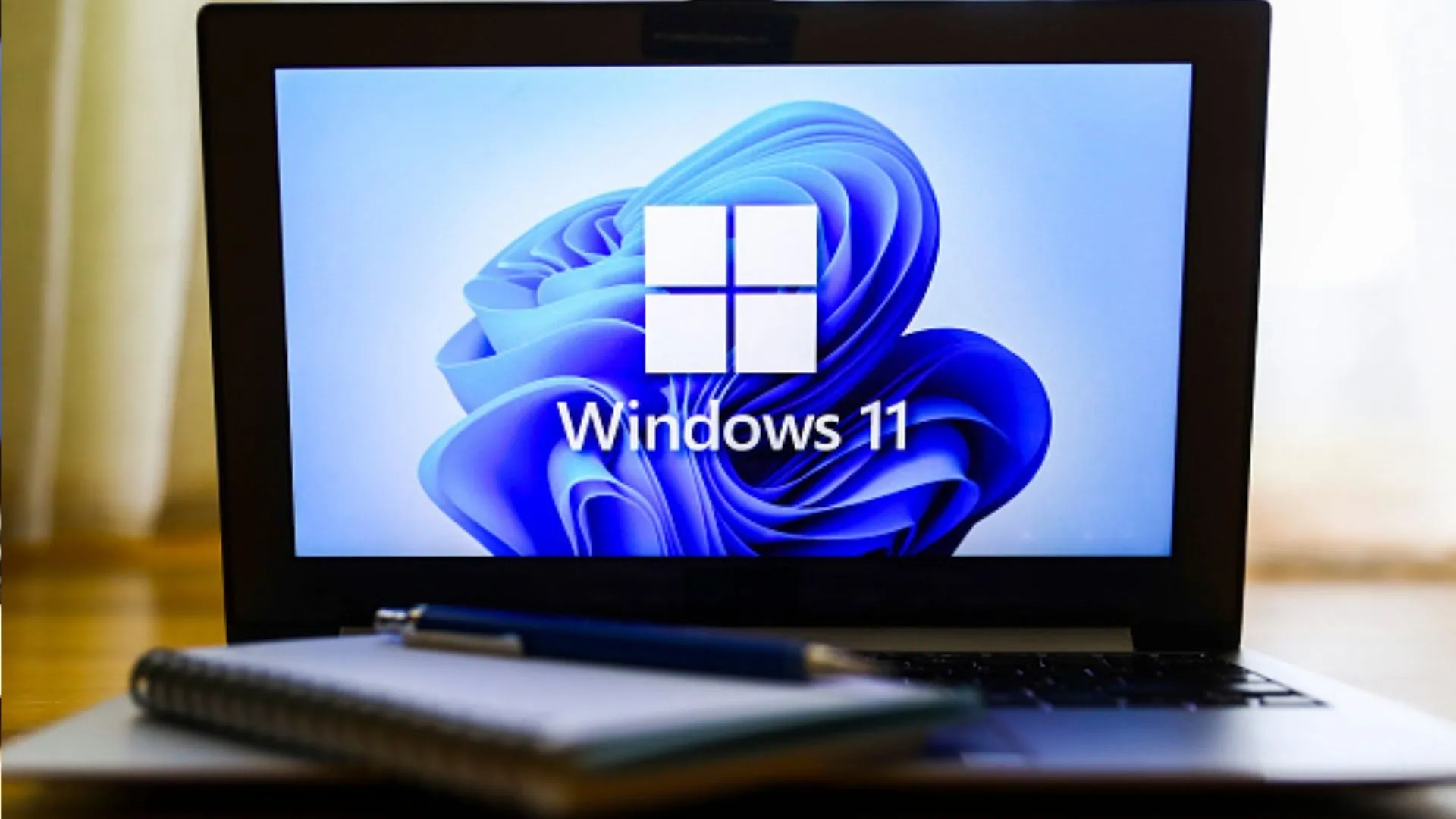
While Windows has represented my go-to operating system more often than not, that doesn't mean I especially like using it. Microsoft appears to be all too aware of begrudging use cases such as my own, as it's recently committed to making all things Windows 11 'better'. Most recently, it's Windows' drivers that are enjoying a concerted improvement effort.
At WinHEC 2026 (the first Windows Hardware Engineering Conference since 2018), the company introduced the Driver Quality Initiative (DQI), "a comprehensive, ecosystem-wide effort designed to fundamentally raise the bar on driver quality, reliability and security across Windows."
"Drivers sit at the heart of every Windows experience. They connect the OS to the silicon, components and peripherals that make Windows one of the most versatile platforms in the industry," Microsoft explains. "Today, thousands of partners contribute to tens of thousands of active driver families across the Windows install base."
"When drivers are high quality, customers experience reliable, secure, performant devices. When drivers fail, customers experience it as a device problem, regardless of where the root cause sits."
Fair point. After all, who among us hasn't cursed a driver update for turning our desktop world upside down? The initiative consists of four 'pillars', which include expanding quality measures for drivers with improved partner verification measures, improving driver lifecycle management, and improving Windows driver architecture itself.
To elaborate a bit on that latter point, Microsoft shares that it is "heavily investing in hardening kernel mode drivers and enabling the third-party kernel mode driver transition to either user mode driver or Microsoft authored class drivers."
As a bid to "ensure higher driver security, reliability and resiliency," this 'architecture' pillar seems pretty foundational to the driver initiative as a whole.
The DQI is perhaps no surprise, given Microsoft's recent re-commitment to Windows quality. President of Windows and devices Pavan Davuluri also said that 2026 would be the year Microsoft focuses "on addressing pain points we hear consistently from customers: improving system performance, reliability, and the overall experience of Windows."
Microsoft is also rethinking its implementation of AI features, in addition to bringing the wider driver ecosystem back into step. Still, on all counts it's relatively early days, and the DQI blog post stresses that WinHEC 2026 was just "the start of the work, not the end."
1. Best gaming chair: Secretlab Titan Evo
2. Best gaming desk: Secretlab Magnus Pro XL
3. Best gaming headset: Razer BlackShark V3
4. Best gaming keyboard: Asus ROG Strix Scope II 96 Wireless
5. Best gaming mouse: Razer Viper V4 Pro
6. Best PC controller: GameSir G7 Pro
7. Best steering wheel: Logitech G Pro Racing Wheel
8. Best microphone: Shure MV6 USB Gaming Microphone
9. Best webcam: Elgato Facecam MK.2