

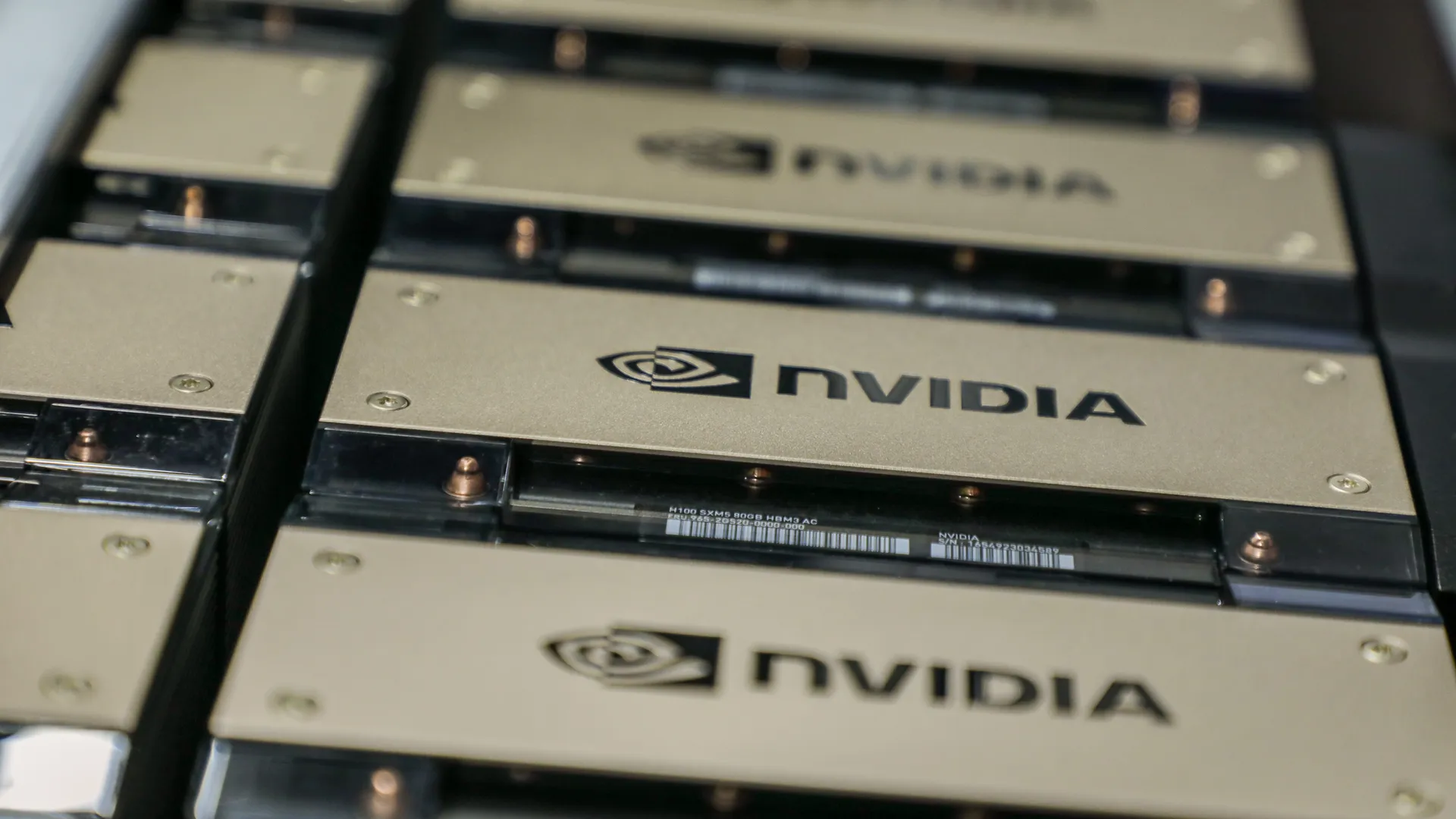
This week, the United States Department of Commerce issued a rule that blocks Chinese AI firms "and other restricted entities from remotely accessing America’s advanced AI chips." This, after a week that saw the ousting of ex-Nvidia CEO Jensen Huang, who has been asked to testify before Congress to address "clear national security concerns".
John Moolenaar, the head of the US Select Committee on China, took to X to say the following
This rule sends a message to the CCP that America is serious about closing dangerous export control loopholes China has been exploiting for years. Our most advanced AI chips are simply not for sale to our foremost enemy. This new rule is an important step in keeping chips out of ill-intentioned hands, strengthens our national security laws, and will help protect America's lead in the AI race
The exporting of top-of-the-line American AI chips to China is banned, but if Chinese firms can get remote access, they can still train AI models even without physically handling the hardware. Effectively, getting remote access means being able to use the chips' compute without being physically there.
America has been very hot and cold with how it wants China to approach AI. It has banned leading AI chips, but allowed somewhat nerfed ones into the country, only to say in an earnings call this week that Nvidia wouldn't be shipping more "Hopper data centre products". And China, too, has gone back and forth on how many American-made AI chips it will take.
Today, @CommerceGov issued a rule to block Chinese AI firms and other restricted entities from remotely accessing America’s advanced AI chips. Chairman @RepMoolenaar praised the decision in the following statement: pic.twitter.com/SrIDbAWZPYNovember 16, 2026
Earlier this year, Trump, alongside Elon Musk, Tim Cook, and Jensen Huang, flew to Beijing in the hopes of opening up China to AI trade. Effectively, America wants to sell enough AI chips to China to make a profit from it, but not so much—or at lest not so many advanced chips—that it loses its edge in the worldwide AI arms race.
Being able to remotely access chips skips the income the US would get from selling them, and would give Chinese firms access to the top-of-the-line models, theoretically giving it the computational power to catch up to America.
All of this makes some sense from the perspective of those gunning for the US to be at the forefront of the AI race, but it does make one wonder why it took so long for such a rule to take effect. The AI race has been ongoing for years now. The China-based DeepSeek open-source model caused a ruckus early last year, as it demonstrated just how quickly Chinese AI had developed.
We don't know how long China has been remotely accessing the best AI chips, but I suppose American AI leaders are happy to close the loophole now.
1. Best gaming laptop: Razer Blade 16
2. Best gaming PC: HP Omen 35L
3. Best handheld gaming PC: Asus ROG Xbox Ally X
4. Best mini PC: Minisforum AtomMan G7 PT
5. Best VR headset: Steam Frame