Join The Club





AI has been in a funny place for some time. Growing exponentially, and sucking up much of the world's supply of memory, GPUs, and energy in the process, we've seen countless examples of models being released with few guardrails and being reigned in after the fact.
This week, Google published its "responsible AI progress report" (PDF warning), outlining why its "AI Principles are the north star standards" that will guide it over the next year.


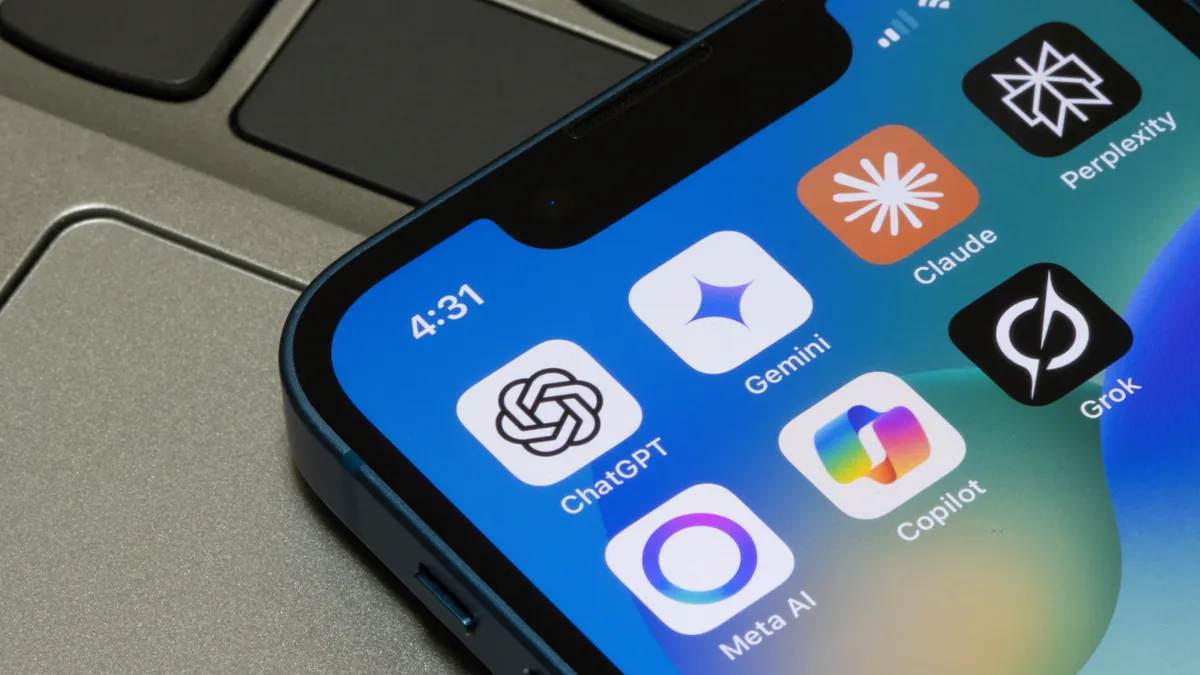
The progress report is mostly centred on what AI is currently doing to aid humans, and how Google is attempting to make its Gemini chatbot safer. It reports that Gemini 3 saw "rigorous testing" prior to its deployment, and ways that Google is attempting to make it safer as it begins to "introduce agentic capabilities to Chrome."
Prompt injection, where bad actors feed nefarious instructions to LLMs to get models to exploit their own users, is a focus for future security advances from Google. This includes the addition of an "Alignment critic" that "acts as an independent reviewer, vetoing actions that do not align with the user’s specific intent."
Agentic AI is another focus for Google in 2026. Citing research done in April last year, Google argues, "The research assumes that highly capable AI could be developed by 2030." As AI becomes more powerful and gets further ingrained into PCs, it is more targeted by bad actors, so Google claims it is considering "various mitigations, such as blocking access to dangerous capabilities by using filters to prevent misuse, or using AI assistance to help maintain oversight."
Though Google is very focused in this report on mitigating harm, it appears to be just as focused on proselytising the benefits of AI. Google is reportedly attempting to:
- Accelerate scientific progress through research and an 'AI co-scientist tool'
- Improve global health through disease detection and the lightening of administrative burden
- Strengthen resilience with models designed to accurately read the weather and predict floods, cyclones, and earthquakes
- Support education through developing personalised learning plans and teaching AI literacy
Given the huge costs of AI and how much of the world's economy has been sunk into it, you'd imagine that any company committing to AI would really have to believe in it. Or at least say it believes in it. I suppose arguing for its use case in medicine and education is certainly stronger than 'because I can generate a Studio Ghibli-style photo of myself.'

1. Best gaming laptop: Razer Blade 16
2. Best gaming PC: HP Omen 35L
3. Best handheld gaming PC: Lenovo Legion Go S SteamOS ed.
4. Best mini PC: Minisforum AtomMan G7 PT
5. Best VR headset: Meta Quest 3