





In years past, almost all graphics cards came with an electrical PCIe x16 connection. Low-end cards have been recent exceptions. AMD's Radeon RX 6400 XT actually has an x4 electrical interface, but in 2023, x8 connections are becoming more common. The latest examples include the Nvidia GeForce RTX 4060 and RTX 4060 Ti.
The aforementioned cards have x8 electrical connections, but still have x16 physical connections even though there's no need for them. Twitter user @fpsojisan_yt (via Tom's Hardware) spotted a Palit card that bucks this trend. The Palit GeForce RTX 4060 Dual comes with an x8 physical connection. And I think it's a pretty good idea. Not that it will make much of a difference to most users one way or the other, but there are some that will benefit from it.
The AD107 GPU that powers the RTX 4060 only has an x8 electrical interface. It's there to reduce manufacturing costs. An x8 link is fine for PCIe 4.0 systems, but it will cost a little bit of performance on a PCIe 3.0 system and even more on a PCIe 2.0 system, which is where a bunch of RTX 4060s will end up. I don't like the idea of midrange graphics cards coming with x8 connections for that reason, but that's another story. It is what it is.
Here's why a card with a PCIe x8 physical connection makes a lot of sense. For starters, such a card will function perfectly well in any x16 slot, but having an x8 physical connector opens up some flexibility options. Though it will depend on the PCIe lane allocation and physical configuration of the host system.
PCIe slots are used for more than just graphics cards, though few require the bandwidth of an x16 slot. Some devices do, like a quad slot M.2 SSD add-in card. In that case you could run the SSD card in the x16 slot and the Palit RTX 4060 in a secondary x8 slot. You'll have to give up a little performance if the GPU has to run via chipset links but it will still be capable of gaming, and of course it'll easily put out an image to several monitors.
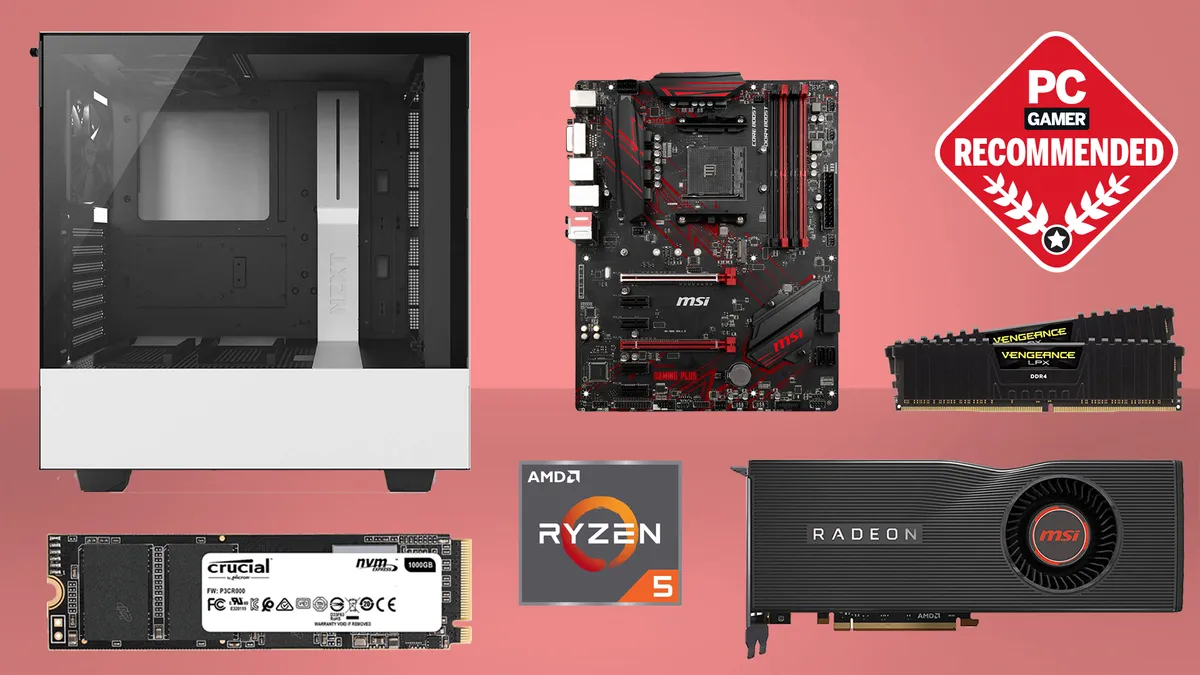
Best CPU for gaming: The top chips from Intel and AMD
Best gaming motherboard: The right boards
Best graphics card: Your perfect pixel-pusher awaits
Best SSD for gaming: Get into the game ahead of the rest
Other potential applications include motherboards with a limited number of slots, or systems that need to split x8/x8 connections, physical or otherwise. Some pre-built systems might feature odd configurations too. An x8 GPU could be useful when used in certain HEDT systems where gaming performance isn't a priority or several add-in cards are present.
It's worth noting that x8 physical slots are relatively rare, but if physical x8 graphics cards bring new use cases while losing none, then why not? Soon there will be millions of x8 graphics cards. What does that mean for future motherboard designs and their PCIe lane configurations, both electrically and physically? Fewer x16 slots
would leave more space for M.2 slots.
Some forward thinking by Palit perhaps?
PCIe x8 graphics cards are here to stay whether we like them or not. They might as well be x8 physically too.

