External GPUs can be a neat way of boosting your laptop's gaming performance, but the market isn't exactly awash with models to choose from. You can use a normal graphics card, but then you have another problem: how to mount it all safely. Well, this 3D printed eGPU 'suitcase' solves that issue entirely and looks super nice to boot.
MakerWorld user MPKVR adapted their original PC pegboard design, which uses an Ikea Skadis to mount components, into something that looks genuinely very useful. One side holds a laptop, with the other side being used for a graphics card, PCIe slot card, and a PSU to run the eGPU. Oh, and a handy holder for a controller.

The Asus ROG XG Mobile is an external GPU that comes in two flavours: RTX 5090 and RTX 5070 Ti. However, these are both mobile versions and are still constrained to the lower power limits. MPKVR's design gets around this problem entirely because you can use a proper graphics card.
It's worth noting that their build was created specifically for an RTX 3060 Ti Founders Edition, but it shouldn't be hard to adjust the printing model for a different card. Want a real RTX 5090 laptop? Then this is one way to do it! Sure, you'll need a really good 3D printer, though one of those will surely be cheaper than an RTX 5090.
1. Best overall:
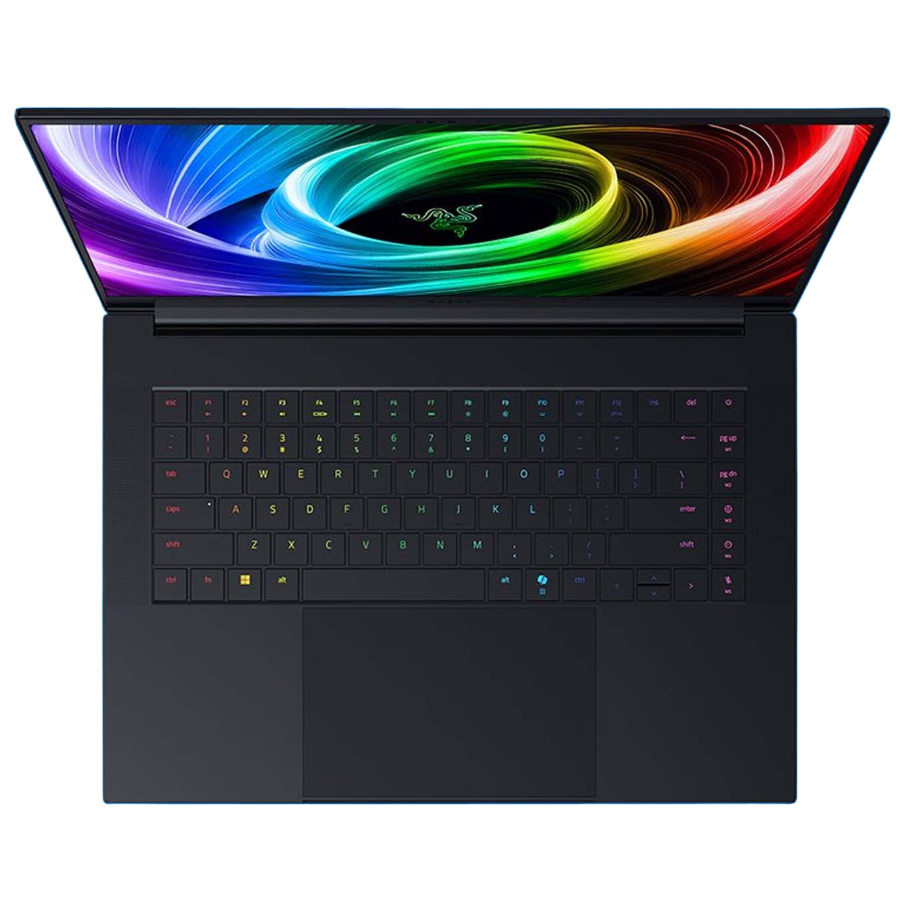
Razer Blade 16 (2025)
2. Best budget:
Lenovo LOQ 15 Gen 10
3. Best 14-inch:
Razer Blade 14 (2025)
4. Best mid-range:
MSI Vector 16 HX AI
5. Best high-performance:
Lenovo Legion Pro 7i Gen 10
6. Best 18-inch:
Alienware 18 Area-51

You must confirm your public display name before commenting
Please logout and then login again, you will then be prompted to enter your display name.