The price of Intel CPUs may be about to increase by a further 10%. Processors, as with almost all things hardware, have been steadily climbing in price since the end of 2025. This latest price increase for Intel CPUs looks set to take effect from October 5, this year.
A number of lower-core product lines will also be nearing end-of-life, according to supply chain sources that spoke to DigiTimes. It remains unclear which processors will be impacted in either case. This follows last month's report of a desktop CPU sales slump for both Intel and AMD.
The most recent Intel price increases affecting PC gamers were for the Core Ultra 7 270K Plus and the Core 5 250K Plus. Part of the continuing upward trend can be blamed on increasing prices for PCBs, which is also having a knock-on effect on motherboard prices. The memory supply crisis also doesn't help. But additionally, sources say Intel CEO Chen Liwu is looking into the CPU segment of the business anyway, reviewing pricing and profit.
Speaking of restructuring, though, DigiTimes' sources also claim that there will be further layoffs at Intel. It's rumoured the company could lose between 5 and 10% of its current work force, and that these job cuts could shrink the company's global workforce to around 70,000. This would allegedly be in addition to the most recent layoffs affecting Intel's data center group.
That said, supply chain sources told DigiTimes that Intel's own chip fabs are prioritising making CPUs for servers. This is likely due to the AI boom, and because Intel stands to make a wider profit margin on these products (for instance, the cost of the 36 CPUs in a single Nvidia Vera Rubin rack approaches $180,000 alone).
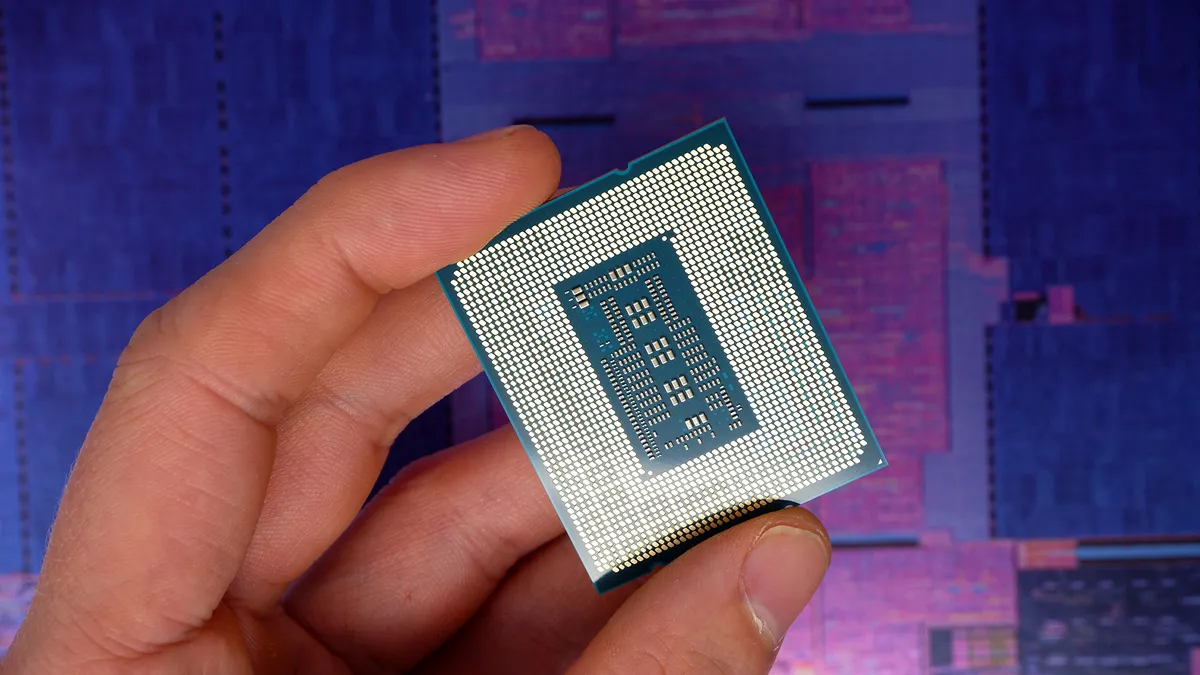
Fab capacity is in short supply, so if Intel wanted to continue to ramp up its production of server processors, it may look to enlist the help of TSMC. But more importantly for you and me, if Intel maxes out its own fab capacity making server CPUs, that will inevitably crowd out PC processors. Fewer PC CPUs getting made could mean a limited supply in the future, and that could lead to further spiking prices.
But that doom and gloom may be a touch premature. For one thing, if the rumbles about a Raptor Lake re-refresh in 2027 are anything to go by, then Intel is unlikely to pack it completely in on the consumer PC market any time soon. Besides, Intel said last month it intends to keep Raptor Lake CPUs around for 'years to come' as a cheaper alternative to DDR5-compatible chips.
Then we also have the upcoming Nova Lake processors at the high-end. These should be coming later this year, with AMD X3D-rivalling levels of cache and gaming performance. Still, whatever actually comes next may not be so kind on the PC gamer's wallet.
1. Best overall:
AMD Ryzen 7 9800X3D
2. Best budget:
AMD Ryzen 5 5500
3. Best mid-range:
Intel Core Ultra 5 250K Plus
4. Best high-end:
AMD Ryzen 9 9950X3D
5. Best AM4 upgrade:
AMD Ryzen 7 5700X3D
6. Best CPU graphics:
AMD Ryzen 7 8700G