


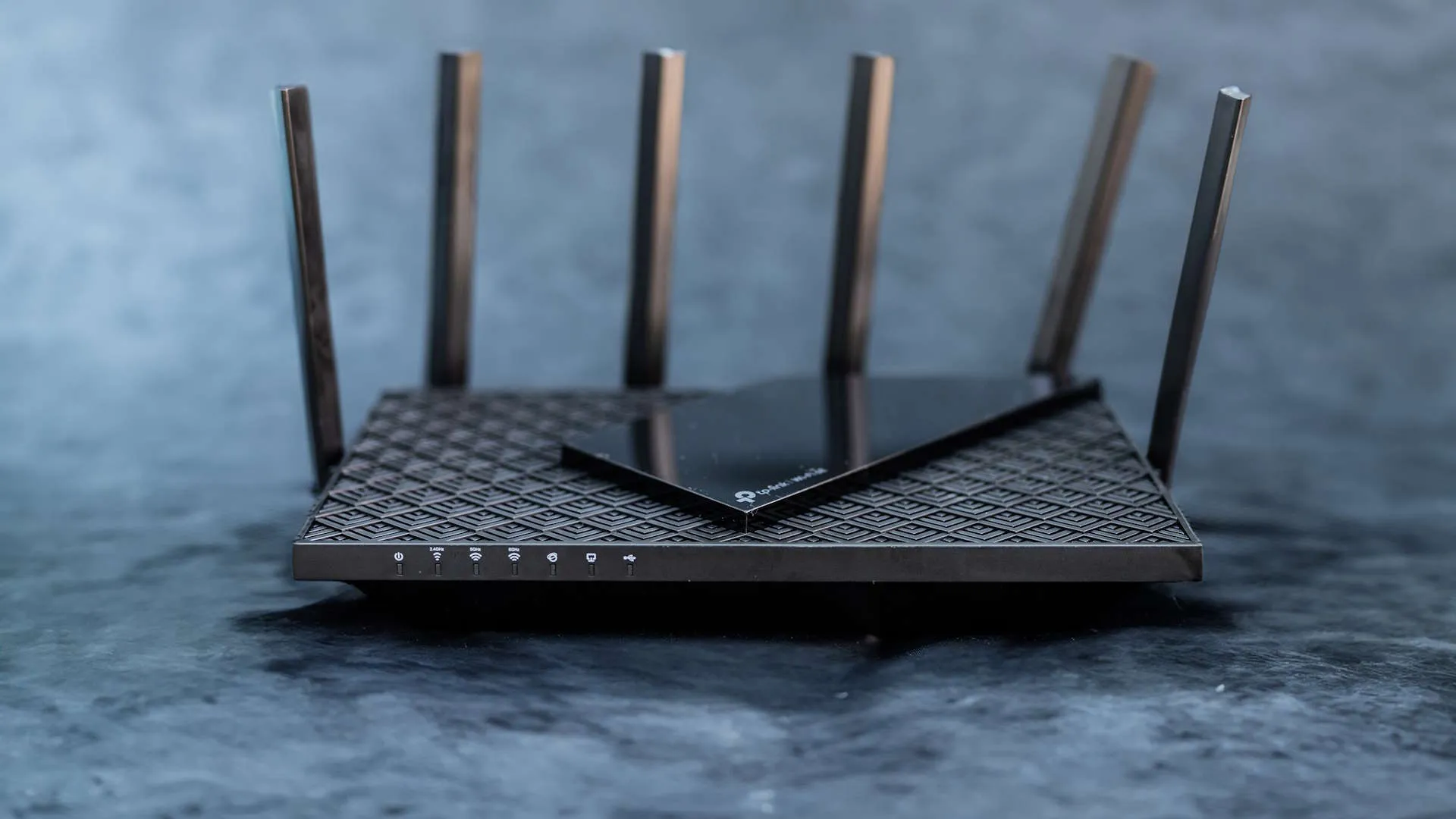
Earlier this year, the FCC implemented a kind of soft ban on foreign-made routers, declaring that they must receive special approval to be sold in the US. This seems to have put enough pressure on TP-Link to make a big change, as the company has said it intends to bring its router production to the US.
The Chinese company has signed a letter of intent (LOI) with electronics manufacturer Key Tronic, which will support router assembly in Mississippi.
TP-Link CEO Jeffrey Chao said, "This LOI with Key Tronic demonstrates our firm commitment to expanding domestic advanced manufacturing, and establishing America as our base for delivering secure, reliable connectivity solutions to households and businesses around the world."
Key Tronic CEO Brett Larsen explained, "Our production footprint will give TP-Link a strong domestic foundation, and our experience in high-reliability electronics manufacturing will help support the company’s new generation of Wi-Fi 8 technologies."
Yes, Wi-Fi 8 is here, and it primarily focuses on reliability by reducing interference and latency, for instance. That's much more exciting than further unnecessary speed increases.
The reason for the soft ban on foreign-made routers was ostensibly for national security, given compromised networking infrastructure could pose a major threat.
However, we've seen a big push for on-shore manufacturing in general ever since the Trump admin started levying tariffs against certain imports and mandating companies buy from local producers. The US government has seemed increasingly keen on trying to get tech manufacturing writ large moving on-shore in the US over the past year or two.
We've already seen this push bear fruit, with TSMC announcing a further $100 billion to be invested in US chip production just a couple of months ago.
Economic and security motivations aren't mutually exclusive, of course: encouraging on-shore production for economic benefit can also benefit national security. At any rate, TP-Link seems seems to be falling in line with the on-shoring strategy, and this should make selling to US customers that bit easier once production kicks up. Which will apparently be as soon as early next year.
1. Best gaming laptop: Razer Blade 16
2. Best gaming PC: HP Omen 35L
3. Best handheld gaming PC: Asus ROG Xbox Ally X
4. Best mini PC: Minisforum AtomMan G7 PT
5. Best VR headset: Meta Quest 3