AMD FSR frame generation hasn't seen anywhere near the game adoption that Nvidia's DLSS counterpart has, but that hasn't stopped AMD from continuing its development. And now there's a sign that Radeon users might finally be getting their own version of multi frame generation.
It is only a sign, though, and might not bear out in the form of true multi frame gen (MFG) in the end. The evidence, for what it's worth, comes in the form of some additions to AMD's SDK documentation for its ADLX API, which programmers use to access and control GPU features (via AthleteDependent926 on Reddit).
Specifically, there's a reference to (get ready for it) 'IADLX3DFidelityFXFrameGenUpgradeRatioOption'. This, according to AMD, "is a feature that allows users to select the desired frame generation ratio for optimal performance and visual quality."
This will presumably allow developers to give gamers the option to select different levels ("ratios") of frame gen.
The key thing to note here is that until now, FSR frame gen has been a solid on/off affair and has offered 'just' 2x the frame rate by interpolating one generated frame between each traditionally rendered one. In other words, there's been no ratio adjustment necessary. Surely (the idea goes) a ratio adjustment is only needed if you can choose to switch between 2x, 3x, or even 4x frame gen.

Nvidia launched 3x and 4x frame gen with the RTX 50-series launch last year, and recently extended it to 5x and 6x, but AMD has held out with its 2x frame gen until now. Its corporate vice president, David McAfee, explained why earlier this year:
"We will proceed very cautiously and listen to the gaming community and the reaction that they have to these multi-frame gen capabilities. I think a lot of gamers feel like [frame generation has] gone too far in some cases. And so I think that’s why you’re going to see us step very carefully as we build this out over the next several years."
Whether this is true or just rationalisation for being behind Nvidia in the frame gen race, and despite some headway, slow uptake of FSR upscaling and frame has become a bit of a running joke. That's whether we're talking about the lack of implementation of the latest version of the upscaling and frame gen tech in games or the lack of ability for previous GPU generations to make use of it.
So, it's nice to see AMD's caution might not be holding things back completely, assuming the new frame gen ratio selection does pan out to be for bona fide MFG.
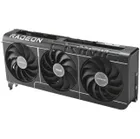
1. Best overall: AMD Radeon RX 9070
2. Best value: AMD Radeon RX 9060 XT 16 GB
3. Best budget: Nvidia RTX 5050
4. Best mid-range: Nvidia GeForce RTX 5070 Ti
5. Best high-end: Nvidia GeForce RTX 5090