Welcome to Dungeon Master, PC Gamer's regular RPG column, where Online Editor Fraser Brown delves into PC gaming's most beloved and enduring genre. Grab a seat in our badly-lit tavern and please ignore the goblin puke.
Most videogame RPGs are selling a power fantasy—the idea that you are competent, clever and regardless of the odds will still manage to save the day. Fate has made you a hero, and nothing is going to stop you from achieving your goals. And this holds a lot of appeal. It's sometimes nice to be able to take a holiday from my own incompetence.
Over the last few days I've managed to drop my dinner, get trapped on a bus going in the wrong direction, get peed on by a dog, get almost run over by a car and, to top it all off, actually get knocked over by an electric scooter. I am a walking disaster.

Geralt never gets peed on. Shepard never lands on their arse after colliding with a teen. These are not heroic moments. When these protagonists face adversity, it only serves as an excuse for more badass adventures.
It turns out, though, that constantly winning becomes a little dull. I want more friction. More fuck ups. But games, by and large, want you to succeed, even when they throw obstacles in your way. Last month, I wrote about how The Blood of Dawnwalker sets up all these possible ways for you to fail, only to then make it almost impossible to screw up unless you're really trying. But it's hardly alone in this regard.
But this problem is not inherent to all RPGs—it's certainly not present in TTRPGs, which tend to embrace misfortune. Many of them actually thrive on it, like Mothership and Call of Cthulhu. And it was only when I started to play TTRPGs that I really began to appreciate how much fun it is to not be the Chosen One, to just be some guy who, either through cursed rolls or bad calls, keeps messing up.
Idiots have more fun
Being asked to do a thing, doing the thing, and then getting congratulated for it—that's not a particularly good anecdote. If, in the process of completing your quest, you get outsmarted by some children, throw up all over yourself, break your foot and end up disappointing everyone around you, well, then you've got a great story.
Thankfully, more and more RPGs are celebrating idiots. Not that it's a new concept. I vividly recall the shock I got when, after a series of questionable decisions in Baldur's Gate 2, my stoic pal Jaheira decided that I was so rotten, so beyond hope, that the only solution was to kill me.
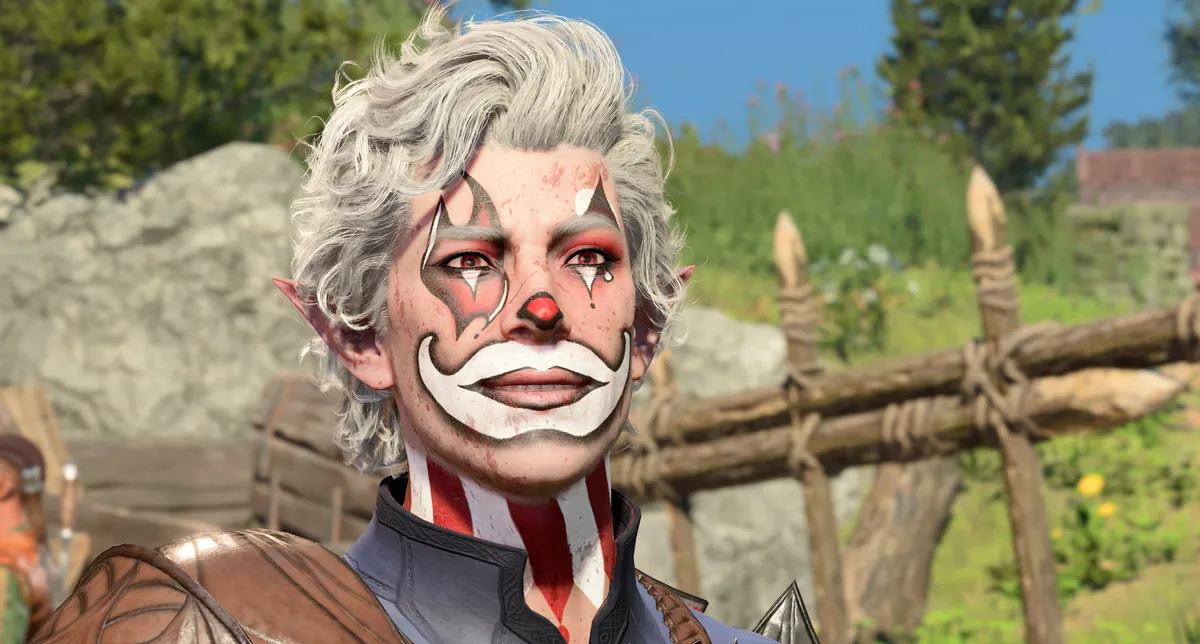
It's absolutely more prevalent now, however, as CRPGs have started leaning into their TTRPG roots in more dramatic ways. Baldur's Gate 3 is still a power fantasy, but it's one driven by dice rolls, where failure is always nipping at your heels. Play the Dark Urge and you'll even start accidentally murdering people.

Disco Elysium is, of course, the RPG that most embraces the idea that it's fun to be shit. Even if you're the luckiest player in the world, nailing every roll, you can still simply choose to be a big dumb weirdo. I base most of my decisions on how funny I think the writing is going to be, which is how I ended up a communist paranormal investigator constantly going on rants about the apocalypse.
When failure is almost guaranteed, it makes succeeding so much more impressive.
Zero Parades and Esoteric Ebb have followed suit—two games where every interaction offers you the tantalising prospect of making a complete tit out of yourself. In the former, I managed to have a full-on breakdown during a phone call in the first five minutes. In the latter, I largely ignored my quest to solve an act of terrorism to instead focus all of my energy on winning an election where I was not a candidate.
What I find so endlessly compelling about these kinds of RPGs is not necessarily the constant cock ups, though. It's more that they offer up a ridiculous breadth of options, making me feel like anything could happen. You can pick the most ridiculous actions or dialogue choices, and there's still the chance that you'll nail them, pulling off something seemingly impossible. When failure is almost guaranteed, it makes succeeding so much more impressive.
Critical fail
And if you do mess up, or more likely when, it feels like you're getting more story, more interesting consequences. How a game handles failure is so important. If it gives you all these ways to get it wrong, but then simply punishes or kills you, it implies that there's only really one right way to do things—you're either a flawless hero or you're dead.
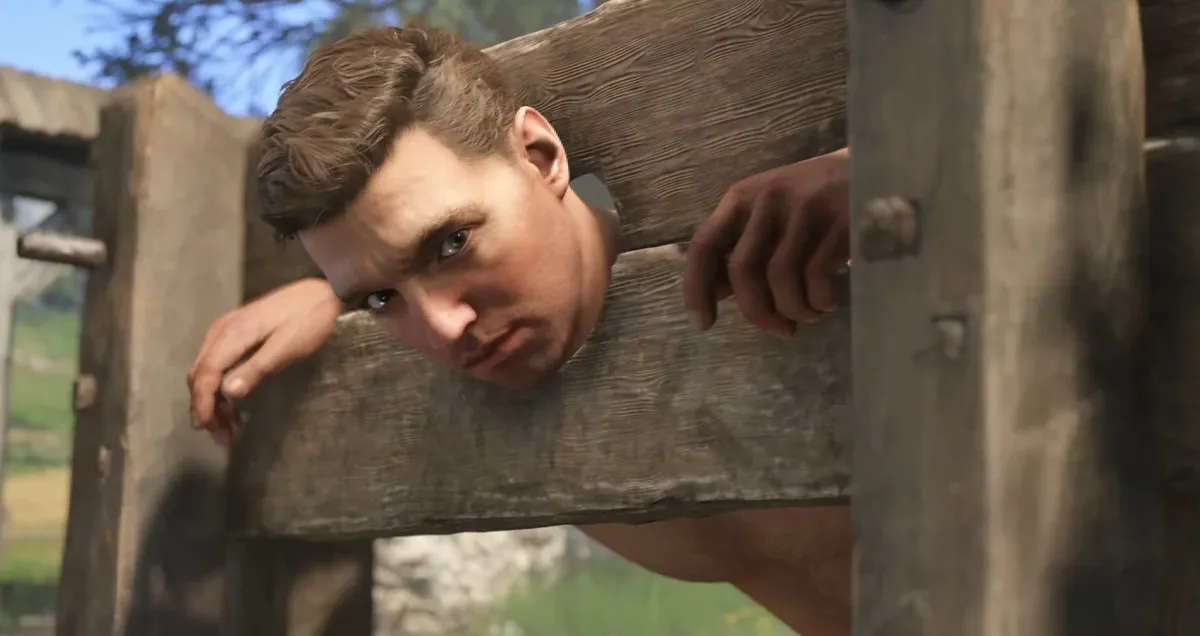
I recall a quest in Kingdom Come: Deliverance 2 where I had to set up a tournament between two swordfighting schools, which involved a bit of larceny. I got caught, became embroiled in a Benny Hill-style chase, and while I managed to get out with the stolen goods, nobody could really call it a success. The result? Everyone knew I did the crime. The tournament went forward, but my team was given a serious handicap. When we won, it felt so much more meaningful because my actions had turned us into the underdogs.
Good roleplaying is essentially improv. What you want is a permissive GM (whether it's a literal GM or a videogame's systems) who's down for a bit of "Yes, and," who will let you come up with a dumb solution and try to find interesting outcomes even if you fail miserably. This way, the storytelling becomes truly collaborative, full of texture and surprises, rather than yet another rote hero's journey.