

ASRock's 600-series motherboards officially support 13th Gen Raptor Lake CPUs after a BIOS update
Confirmation of backwards compatibility and DDR4 support.
Keep up to date with the most important stories and the best deals, as picked by the PC Gamer team.
You are now subscribed
Your newsletter sign-up was successful
Want to add more newsletters?
Every Friday
GamesRadar+
Your weekly update on everything you could ever want to know about the games you already love, games we know you're going to love in the near future, and tales from the communities that surround them.
Every Thursday
GTA 6 O'clock
Our special GTA 6 newsletter, with breaking news, insider info, and rumor analysis from the award-winning GTA 6 O'clock experts.
Every Friday
Knowledge
From the creators of Edge: A weekly videogame industry newsletter with analysis from expert writers, guidance from professionals, and insight into what's on the horizon.
Every Thursday
The Setup
Hardware nerds unite, sign up to our free tech newsletter for a weekly digest of the hottest new tech, the latest gadgets on the test bench, and much more.
Every Wednesday
Switch 2 Spotlight
Sign up to our new Switch 2 newsletter, where we bring you the latest talking points on Nintendo's new console each week, bring you up to date on the news, and recommend what games to play.
Every Saturday
The Watchlist
Subscribe for a weekly digest of the movie and TV news that matters, direct to your inbox. From first-look trailers, interviews, reviews and explainers, we've got you covered.
Once a month
SFX
Get sneak previews, exclusive competitions and details of special events each month!
ASRock has announced that its 600 series motherboards will offer full compatibility with Intel's promising looking 13th Gen Raptor Lake CPUs. The company has released BIOS updates that add support for "soon-released Intel desktop processors."
As there are several ASRock DDR4 motherboards on the list, it means that we have confirmation that 13th Gen CPUs will continue to support DDR4. If you've got a good set of DDR4, or the price premium of DDR5 puts you off, it's good to know that you'll be able to continue to use it for at least another generation.
ASRock's decision to release these BIOS files early is a slightly curious one. Given that Raptor Lake CPUs are not yet ready to be released, the decision may simply be a marketing one. If you are planning to add a 13th Gen to your system, you'd be better off waiting until closer to the launch before upgrading your BIOS, so that any bugs or kinks are ironed out in the weeks and months before the CPUs themselves launch.
Should you be upgrading from a pre-12th gen system, it's worth waiting for 700-series motherboards. Though details are still under wraps, I’d assume they will include improved feature sets including PCIe 5.0 SSD support and things like better DDR5 memory support or native USB 4 support.
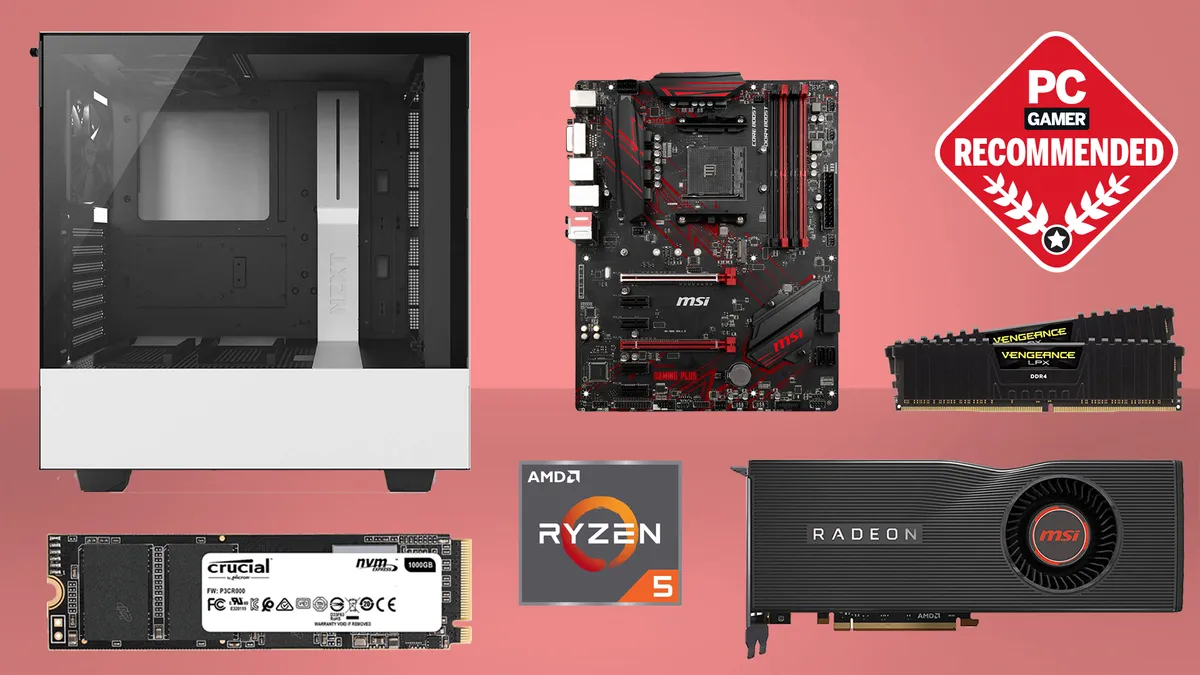
Best CPU for gaming: The top chips from Intel and AMD
Best gaming motherboard: The right boards
Best graphics card: Your perfect pixel-pusher awaits
Best SSD for gaming: Get into the game ahead of the rest
An interesting side note is that for next generation upgraders, Intel is set to be the much friendlier option. You'll be able to update your BIOS and keep using your DDR4 memory with an existing 600 series board and the latest Intel CPU. Contrast that with AMD, which will require a new motherboard and DDR5 purchase if you plan to move up to Zen 4.
Now that ASRock has released 13th Gen supporting BIOS’, it's only a matter of time before other manufacturers follow suit. More than a few users have been caught out with motherboards that lack BIOS support for a new CPU. Luckily, manufacturers are aware of this and lots of models now come with BIOS flash support without the need for a CPU or memory to be installed.
Intel’s 13th Gen Raptor Lake CPUs are due to launch later this year. They’ll compete against AMD’s Zen 4 models, which will launch alongside an entirely new platform with the AM5 socket, and DDR5 only memory support.
Keep up to date with the most important stories and the best deals, as picked by the PC Gamer team.

Chris' gaming experiences go back to the mid-nineties when he conned his parents into buying an 'educational PC' that was conveniently overpowered to play Doom and Tie Fighter. He developed a love of extreme overclocking that destroyed his savings despite the cheaper hardware on offer via his job at a PC store. To afford more LN2 he began moonlighting as a reviewer for VR-Zone before jumping the fence to work for MSI Australia. Since then, he's gone back to journalism, enthusiastically reviewing the latest and greatest components for PC & Tech Authority, PC Powerplay and currently Australian Personal Computer magazine and PC Gamer. Chris still puts far too many hours into Borderlands 3, always striving to become a more efficient killer.

