





In Why I Love, PC Gamer writers pick an aspect of PC gaming that they love and write about why it's brilliant. This week, Joe gets scared by believable in-game disasters.
Disasters in videogames are often used as springboards to leverage story. You’ve seen it before: catastrophe leads diffident protagonist to assume hero’s role, thereafter tasked with the seemingly impossible feat of restoring order in the aftermath of a nuclear holocaust, zombie invasion, viral pandemic, and/or otherworldly incursion. Underscoring the trend is almost always an unscrupulous leader and/or group of ne’er do wells who take the opposite stance as the community you're attempting to salvage.
As players, we tend to suspend our sense of belief somewhere along the way because we’re fairly certain that—no matter how much we’re told the process alters our DNA—injecting glowing blue liquid into our veins and downing special tonics is unlikely to produce lightning bolts or fireballs from the palms of our hands. And if we don’t believe it then what’s the point? Believing it is half the fun.
But what about the games that portray more credible doomsday scenarios?
I’ve sunk tens of hours into Bethesda’s most recent action RPG Fallout 4, and while its familiar post-apocalyptic scenario is hardly different from past outings, there is one particular segment I think is fantastic: its opening pre-war introduction.
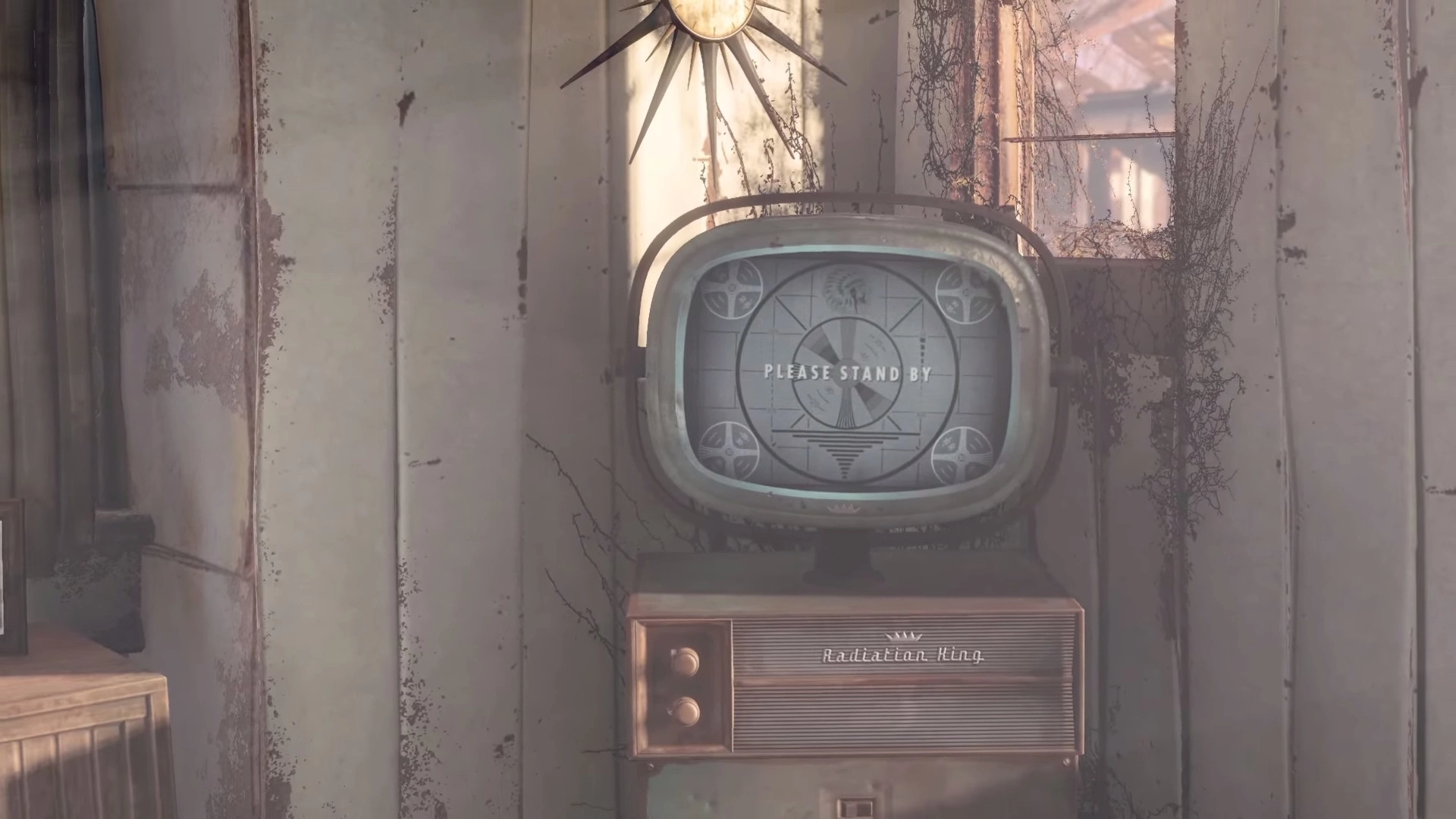
The overarching point of this section is to have the player form a bond with their partner and newborn child, so as to lend more importance to later events. It’s a bit rushed and doesn’t really achieve this, however the easily overlooked, but unskippable, breaking news television report which runs just as the emergency klaxon sounds absolutely does.
At this point, we’re part of the world pre-nuclear devastation—as we better know it, and certainly not as we otherwise recognise it from this series—and forcing the player to tune into the report, in turn echoes how we might discover breaking news in reality. Seeing the world as it falls apart by way of a subject regularly featured in the actual news echoes moral panic on a level I’ve rarely seen managed in videogames and it's not often you're made to watch such events unfold.

Likewise, Tom Clancy’s The Division, although taking place after the fact, plays upon something which feels believable too: a smallpox pandemic circulated via contaminated banknotes on one of the world’s busiest shopping days—Black Friday. Dubbed ‘Green Poison’ and the ‘Dollar Flu’, both the killer bug and moral panic ravage the population, leaving behind the broken society within which the game is set. I have no idea if any of that’s possible, mind, but the fact it feels like it could be makes it feel all the more scary.
Don’t get me wrong, there’s nothing wrong with hypothetical crazed scientists working for equally unstable corporations infecting folk with zombie virus strains or the likes in Videogameland, but there’s something to be said about the ground-level believability of what Fallout 4 and The Division manage to deliver. In turn, there’s something more terrifying about these seemingly outlandish disasters that in fact could possibly, maybe, feasibly occur.
