





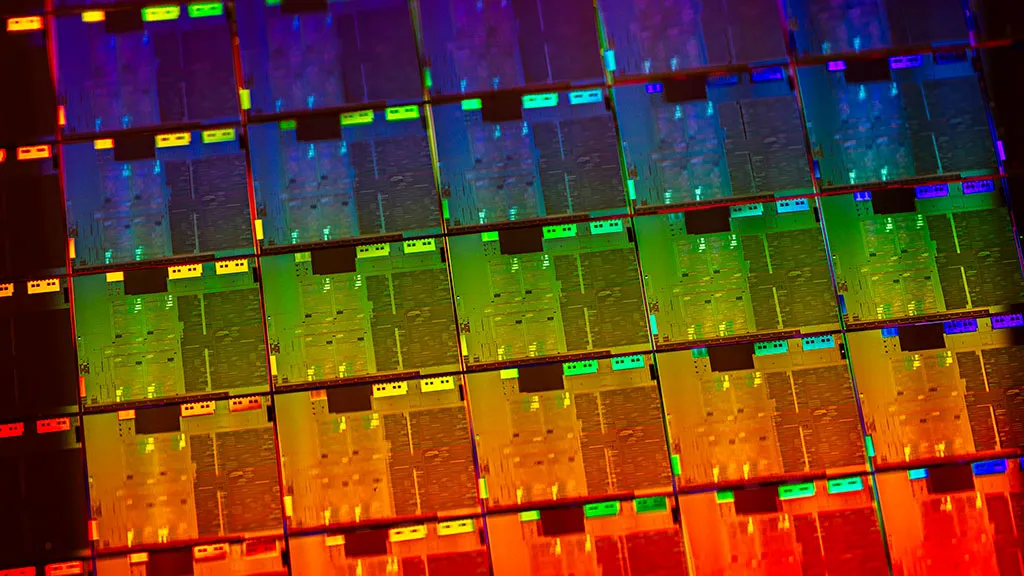
It feels like we have been waiting 100 years for Intel to launch desktop processors based on its 10-nanometer node, and so far all we have gotten are some mobile offerings (Ice Lake). As far as I know, 10nm desktop CPUs are still coming. However, don't expect 10nm to storm the consumer market and strike fear into rival AMD, which is cranking out 7nm chips.
Speaking at a Morgan Stanley conference, Davis seemed to be trying to temper expectations on Intel's ongoing shift to 10nm. He noted we are "definitely in the 10nm era" and revealed Intel will have "10nm+ coming out this year as well," but also said the node as a whole will not be the best one Intel has ever had.
"As we said back at our Analyst Day in May of 2019, look, this is not going to be the best node that Intel has ever had. It's going to be less productive than 14 [nanometer], less productive than 22 [nanometer], but we're excited about the improvements we are seeing and we expect to start the seven nanometer period with a much better profile of performance over that starting at the end of 2021," Davis said.
If you hit up Intel's webcast (no registration needed), you can catch the comments starting at around the 18:05 mark.
Why does this matter? Die shrinks typically lead to improved performance, better power efficiency, and sometimes cheaper pricing (or at least a better bang-for-buck). To wit, AMD's Zen architecture really hit its stride when the company moved to 7nm with Zen 2 (Ryzen 3000 series on the desktop).
Intel, meanwhile, has been stoking its 14nm node for several generations, and it's what underpins its newest generation Comet Lake processors, which will be launching in desktop form soon.
There's no universal system for naming nodes, and without taking a deep dive into manufacturing intricacies, Intel's 10nm node is roughly on par with AMD's 7nm node, from a technological standpoint. But Intel's struggles in shifting to 10nm have been well documented, and now it looks like the company wants to move past it as quickly as possible.
"The fact is that I wanted to be clear what was happening during the 10nm generation. The fact is, it isn't going to be as strong a node as people would expect from 14nm or what they'll see in 7nm," Davis added.
It's not entirely clear if he is talking about yields or performance, or both. Regardless, it's an interesting message from Intel. [Update: He was talking about yields, in response to a question on the subject. Intel tells me when Davis mentioned "performance," he was talking about yield performance, not compute performance.]
In addition, Davis said Intel had to "accelerate the overlap" between its 10nm and 7nm nodes, and then 7nm and 5nm, in order to "regain process leadership." In other words, AMD (by way of its manufacturing partner TSMC) and to an extent Samsung both hold the baton in that respect, and Intel does not anticipate sprinting ahead until 7nm and/or 5nm.

