According to reports, an Nvidia employee has been detained in Taiwan over claims of alleged AI chip smuggling into China. The employee is identified only by their last name, 'Chang.' On Tuesday, local investigators searched both Chang's residence as well as their desk in Nvidia's Taipei office. Nvidia itself has not been accused of any wrongdoing, though Chang faces allegations of breach of trust and forgery.
Chang's detainment was carried out as part of a larger investigation into the alleged smuggling of AI chips into China. According to Bloomberg, this is just one investigation of at least eight similar probes into potential smuggling routes across four different jurisdictions.
This latest probe out of Taiwan specifically concerns the falsification of documents in order to export about 50 Super Micro servers containing Nvidia AI chips to Chinese shores. Taiwanese prosecutors allege that the defendants had already smuggled chips into China via Japan previously. The US government previously charged three Super Micro employees—including the company's co-founder—with attempting to smuggle AI chips back in March.
An Nvidia spokesperson said in a statement, "Smuggling is a nonstarter," before adding, "We primarily sell our products to well-known partners, including [original equipment manufacturers], who help us ensure that all sales comply with US export control rules."
The spokesperson went on to say, "Even relatively small exporters and shipments are subject to thorough review and scrutiny on both sides of the globe, and any diverted products would have no service, support, or updates."
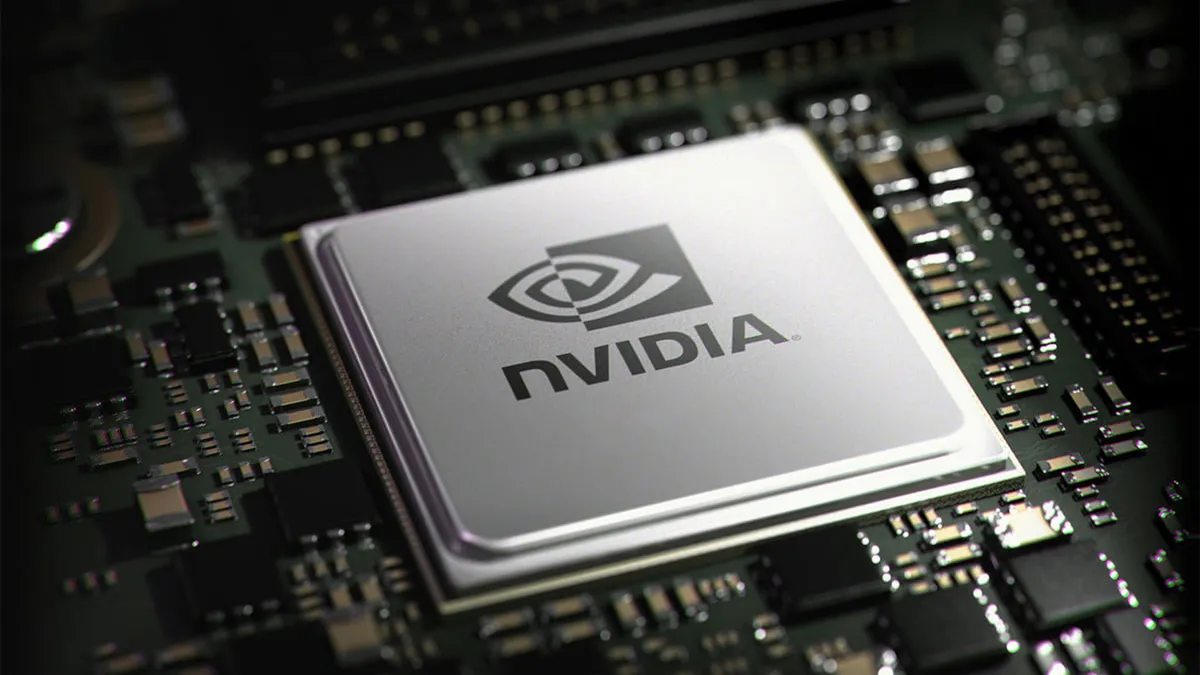
To briefly recap, the US government has sought to restrict the flow of AI chips into China since at least 2022. Nvidia has not always been keen on such measures.
Besides the company previously calling the Biden administration's AI diffusion rule 'rigged' and 'misguided,' Nvidia CEO Jensen Huang has also been very vocally pro spreading 'American AI technology around the world'. Huang also said back in May that he hopes the aforementioned Super Micro will "enhance and improve their regulation compliance" in the future.
Unlike the US, Taiwan does not currently have export restrictions in place to limit the flow of AI chips to China (though it may introduce these in future). However, as the home of the largest semiconductor manufacturer in the world, the island has often sought to protect its place on the technological world stage.
For instance, a former manager at TSMC was the first to be indicted under the island's National Security Act for allegedly attempting to leak core Taiwanese chipmaking technologies to China.
As AI continues to stoke global competition, Taiwan will continue to take such infractions very seriously.
1. Best gaming chair: Secretlab Titan Evo
2. Best gaming desk: Secretlab Magnus Pro XL
3. Best gaming headset: Razer BlackShark V3
4. Best gaming keyboard: Asus ROG Strix Scope II 96 Wireless
5. Best gaming mouse: Razer Viper V4 Pro
6. Best PC controller: GameSir G7 Pro
7. Best steering wheel: Logitech G Pro Racing Wheel
8. Best microphone: Shure MV6 USB Gaming Microphone
9. Best webcam: Elgato Facecam MK.2