At the back end of 2025, Nvidia secured its biggest ever deal, a $20 billion non-exclusive agreement with AI chip company Groq. Now, as reported by the New York Times, per "two people with knowledge of the inquiry", the Department of Justice (DOJ) is probing to discover whether the deal was organised in a way that would get around antitrust scrutiny. If found at fault, the people say, Nvidia could be fined.
The original agreement gives Nvidia non-exclusive rights to Groq tech, namely AI chips that are good for low-latency inference. The first Nvidia AI rack featuring Groq chips is said to go live later this year.
According to the NYT, one of the two people with knowledge of the inquiry claims the DOJ has sent Nvidia a formal demand for information about the Groq deal. The issue appears to be one that is somewhat common in the AI industry: deals that are framed not as acquisitions but as licensing agreements. Apparently having the deals structured like this can evade automatic government reviews.
The two sources cited in the NY Times piece requested anonymity on the grounds that the process itself is confidential, and also noted that there has currently been no specific findings that constitute an outcome of the probe. They apparently also said to the NY Times that the Justice Department may also find there has been no wrongdoing, either.
If this investigation is indeed ongoing as is suggested by the NY TImes' sources, it would imply that calls from senators earlier this year—for the FTC and DOJ to investigate these kinds of tech deals—are being heeded. The letter from senators expressed that the FTC and DOJ "should not allow these [big tech] companies to avoid the typical reviews that your agencies apply to acquisitions and mergers."
According to the senators, the deals, such as Nvidia's, but also including ones by Google and Meta, "function as de facto mergers, allowing the companies to consolidate talent, information, and resources, all while apparently attempting to bypass the scrutiny typically applied to mergers and acquisitions."
It is, of course, good for regulatory agencies to investigate and challenge any potential oversight avoidance, but even if these sorts of deals are found to be specifically designed to avoid review, unless the penalties are massive, I can't help but feel that any fines levied will be small change to a company like Nvidia. And given how close the company and its CEO seem to be with Trump and the US administration, I doubt any negative result would actually do much to dampen Nvidia's present position in and around the US.
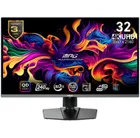
1. Best overall / 4K:
MSI MPG 322UR X24
2. Best budget 4K:
Asus ROG Strix XG27UCG
3. Best budget OLED
Alienware AW2726DM
4. Best 1440p:
MSI MPG 271QRX
5. Best budget 1440p:
KTC H27T22C-3
6. Best 1080p:
AOC Gaming C27G4ZXE
7. Best Ultrawide:
Gigabyte MO34WQC2
8. Best budget ultrawide:
Koorui 34E6UC
9. Best competitive
KTC 25M1