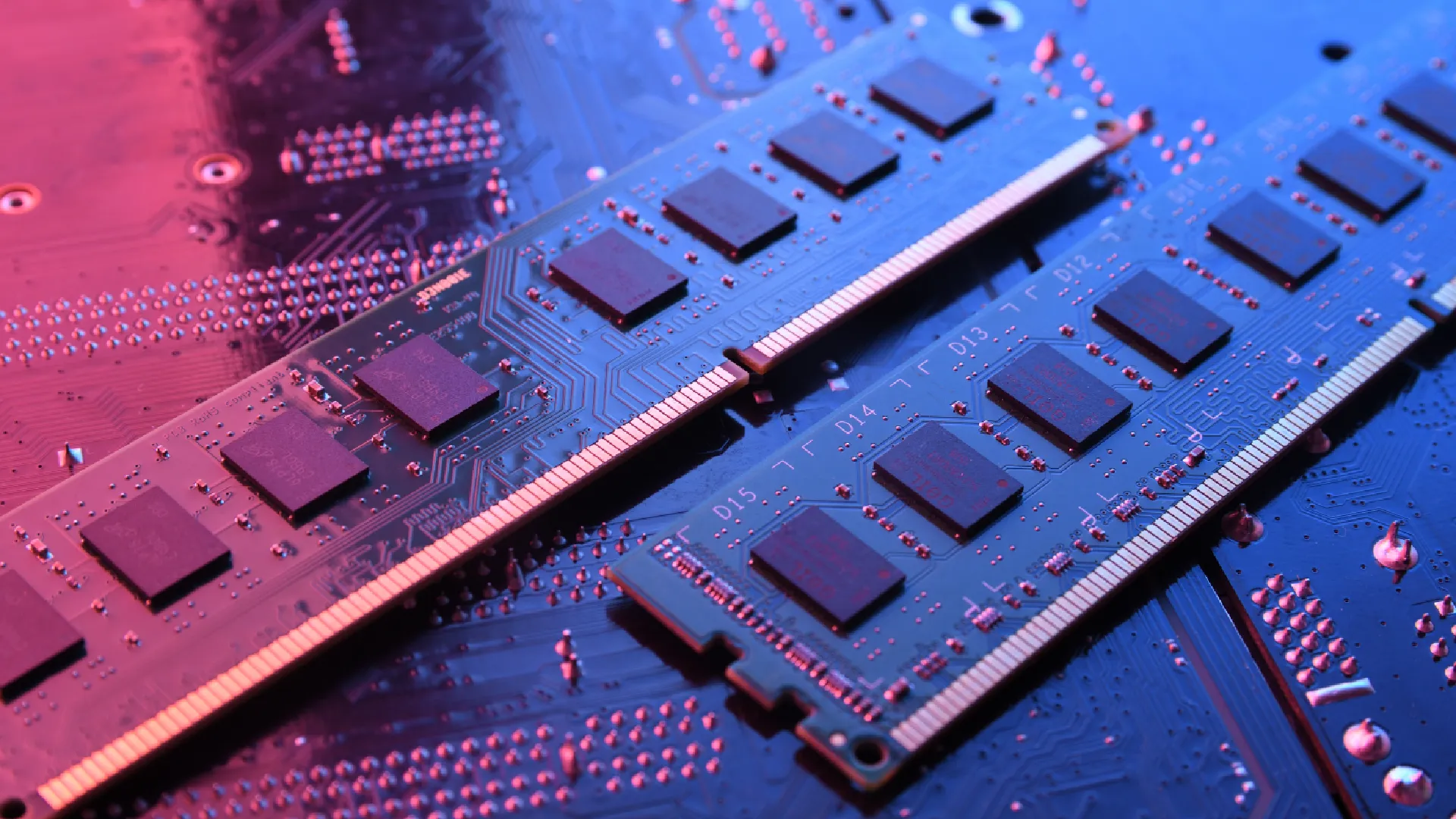
It seems nearly every conversation about PC gaming hardware comes back to the memory crisis, and that's because it's such an all-encompassing problem for the industry. Though we don't appear to have a way out for the next year (at least), we've seen memory competition coming out of China, with Chinese company CXMT appearing to be getting a foothold in the market.
As noted by Counterpoint, CXMT seems to currently have a 7% revenue market share, with industry leader Samsung mopping up 39%, SK hynix taking 26%, and Micron getting 25%. If you haven't been taking in those numbers, that means just four companies have a whopping 97% of the memory revenue market share.
There are a few reasons for CXMT's seemingly meteoric rise. Early last month, component makers began validating their products for Chinese memory, in order to work with CXMT memory. Then, just last week, the company made its public offering to the tune of $8.6 billion, with shares surging by 466%. That means its market capitalisation was valued at just under half a trillion dollars, making it one of the most valuable companies in China.
To top this all off, CXMT memory has reportedly been landing in HP, Asus, and Acer notebooks, though not in the US. With the big three not having the memory capacity to meet the huge demand, CXMT seems to be making it big off the memory crisis. There's a significant hole in the market, with AI sucking up all that memory, and Chinese memory is rushing to plug it up.
Naturally, more competition is better for the market, in both pricing and production. Just two months ago, Samsung, SK hynix, and Micron were all accused of anticompetitive behaviour in a class action lawsuit, and more competitors would certainly quell any such allegations.

Still, even though CXMT might help ease the memory crisis eventually, it seems unlikely it is ending soon. Just last week, Samsung said there would be a "severe" memory supply crisis next year, and didn't comment on whether or not it will follow into 2029. And even SK hynix believes "Customer demand will remain higher than our supply capacity even beyond 2030."
For now, CXMT is reportedly making plans on making even more chip plants, with a second in Beijing, as well as one in Shanghai and Hefei. The plan is to double capacity up to 600,000 wafers each month, and if the memory crisis stays as it is, CXMT will likely have no problems selling those orders. There are clear winners and losers in the memory crisis so far, and with the cost of RAM for your rig, we PC gamers are currently losing.
1. Best overall:
Razer Blade 16 (2025)
2. Best budget:
Lenovo LOQ 15 Gen 10
3. Best 14-inch:
Razer Blade 14 (2025)
4. Best mid-range:
MSI Vector 16 HX AI
5. Best high-performance:
Lenovo Legion Pro 7i Gen 10
6. Best 18-inch:
Alienware 18 Area-51