Join The Club





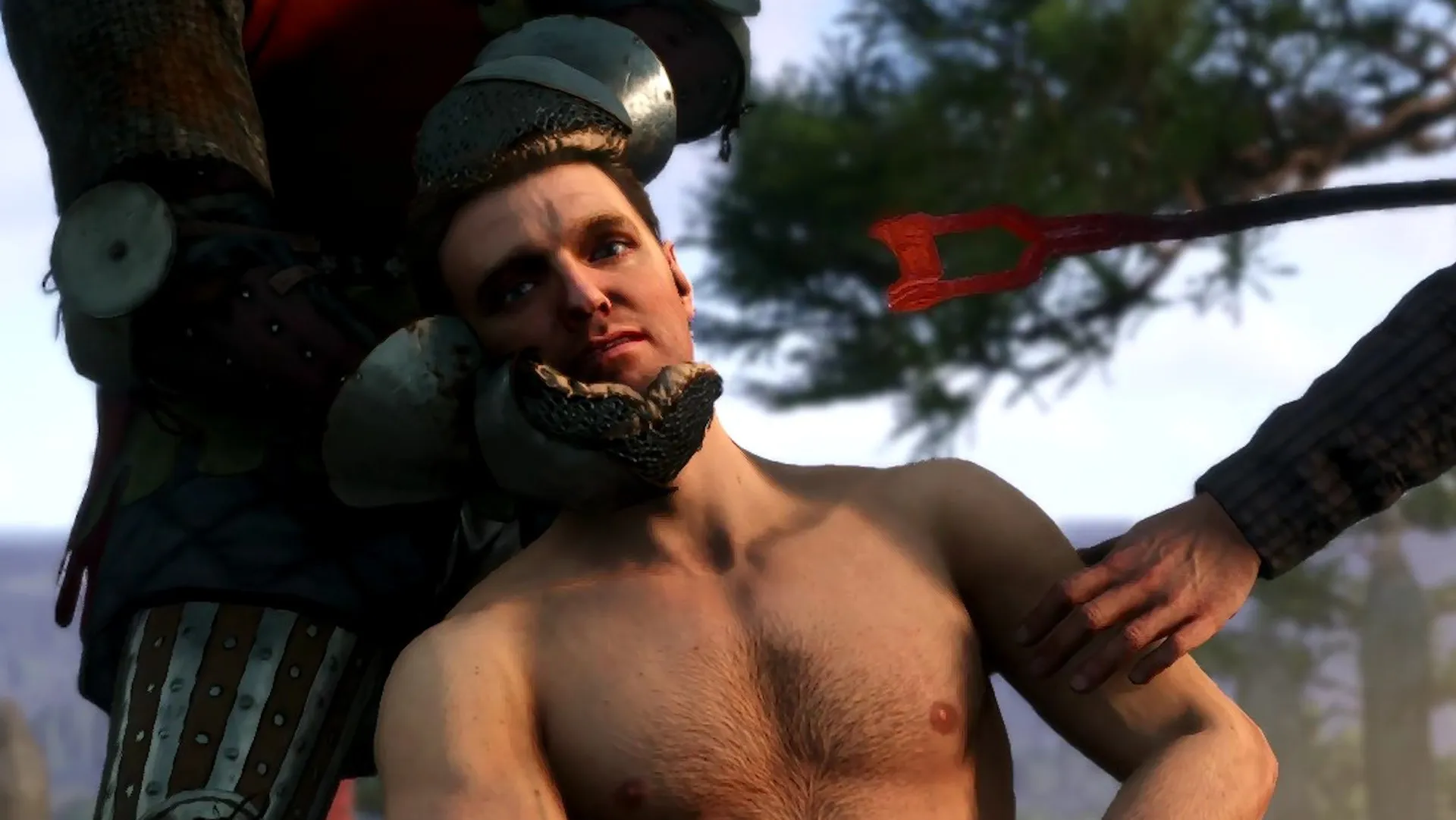
Kingdom Come: Deliverance, as a series, is no stranger to controversy. The first came in for criticism from progressive voices over representation and its depiction of the conflict between the Czech protagonists and their Cuman enemies, while the second game managed to upset the opposite end of the political spectrum by featuring gay romance and positively portrayed Romani, Jewish, and Muslim characters.
For its part, Warhorse is rather tired of talking about it. The studio told us last year that it was "fed up" of being dragged into culture wars and wanted only "to make a cool videogame," but when I got the chance to chat with Martin Klíma, studio co-founder and KCD2 executive producer, about KCD2 taking PCG's 2025 GOTY award, I had to take a second to ask: did he think the controversies actually impacted the series at all, in terms of sales, reception, or developer morale?
Klíma said that, really, it was difficult to tell. "I would really, really like to know the answer to this one," he said. "You can really convincingly argue both ways. You can convincingly argue that we got some extra visibility—that it doesn't matter what they say about you, as long as they spell your name right." At the same time, you could argue that "any controversy is hurtful, and you want to speak about the game, and you don't want to explain some… tangled reasoning."
Article continues belowBut Klíma has a hunch, and his opinion is that, for all the sound and fury, KCD's controversies probably didn't affect the games all that much. "My personal take on this is that this whole kerfuffle only mattered to, really, a handful of terminally online culture warriors, and that they are basically an insignificant intersection with the gaming public writ large, and the real players really don't care about it at all, and probably most of them never really even heard about these pseudo-controversies."
As for the devs themselves? Klíma reckons that if it impacted them at all, it was to "a small degree… We all felt that it was very unfair and disingenuous, these attacks, for the first game and the second game both.
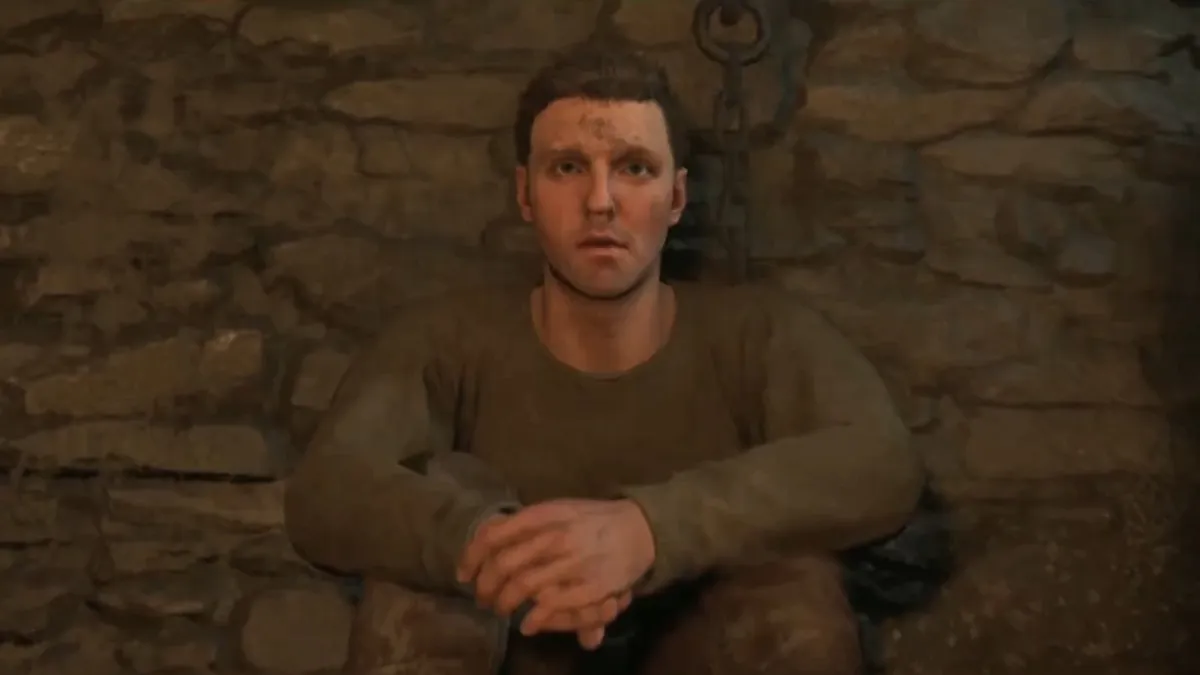
"So this sort of gels the team a little bit. You have this kind of 'besieged fortress' mentality, but I don't think it really mattered to us, really, that much." In fact, Klíma says there are still people at Warhorse who are barely aware of the controversies. "I'm pretty sure that you could find actually quite a few people in the studio that have a very dim awareness of this whole kerfuffle."