





Season two is just the beginning for Apex Legends. After the criticisms thrown at developer Respawn Entertainment since the battle royale game’s February launch (a slow stream of new characters, skins, and modes, lackluster first Battle Pass), and the team is taking its lumps and moving forward. The Season 2 Battle Pass adds new legendary items, skins, ranked mode, a limited time event, and an awful lot more. More of everything. But will it be enough to sate players’ thirst for a steady stream of new content?
“We’ll never keep up,” lead product manager Lee Horn said.
“I don’t think you can, is the actual answer,” executive producer Drew McCoy quickly followed.
Compared to a Titanfall, where the studio spends two to three years on a product that ships all at once, the Apex Legends team is working toward quarterly seasons. The hard part is establishing a release cadence for the Battle Passes and setting player expectations for what they’ll contain and how to consume them. Taking a piecemeal approach didn’t work earlier this year.
“We did some tests in the first few months where we released the Havoc weapon on its own,” McCoy said. “It made zero impact on player engagement, retention, all these kinds of metrics. So what we found is when we bundle things together, it gives more of a reason for more people to come into the game and play and stick longer.”
Because the team is small and each role so specialized, people leaving the studio would make a big impact.
It’s also a matter of maintaining team health and forcing it to create workflow efficiencies suited to the games-as-a-service model.
“We love our players, we love our game,” McCoy said. “But if we push our team too hard and crunch, and people end up burning out and leaving, we’ve ultimately done a disservice to our players.”
Because the team is small and each role so specialized, people leaving the studio would make a big impact.
“To lose even three or four people from our team would be devastating,” McCoy said.
“Shipping always has a cost, and no matter how big or small, it’s going to have a cost,” he said. “If you try to make 10 sandwiches and every time you made a sandwich, you put away the ingredients and then brought them back out, made a sandwich, put all the ingredients away, brought them back out it’d take a lot longer than if you just made 10 all at once, got the ingredients out once, and did it all.
“We can create and ship more content over the course a year with the seasonal approach than if we try to ship something every week.”
Reasons for seasons
That means the team isn’t worried about drastically changing the look and layout of King’s Canyon so that it still feels new in season six versus season one.
“Fresh isn’t really our goal,” McCoy said. “Were trying to make a really masterable game.”
At the start of a season, Respawn wants players to feel like they have a new set of problems to solve for the game they already know. New skills, new weapon balances to adjust to, new Legends to contend with on the battlefield.
“That should be enough stuff to keep you going for a little while, and then you can feel confident in what you’ve learned,” McCoy said. It’s a matter of getting players to predict that, and plan their play schedules around it.
“[Where] they’re setting their calendar around ‘I show up at the beginning of a season, I play as much as I want and I come back for the next season as opposed to the ‘everyone has to play the game every day all the time’ mentality.”
Eventually, Respawn wants to ship two heroes per season. The problem is each takes a year-and-a-half to develop. There are a lot of characters in various stages of development at the moment, and McCoy admitted that his team doesn’t have a timeline for when they’ll eventually hit that milestone.

“We’re working really hard right now to improve our processes, our pipeline, our tools so that we can make them quicker,” McCoy said, “but I don’t foresee a world in which it takes us less than a year.”
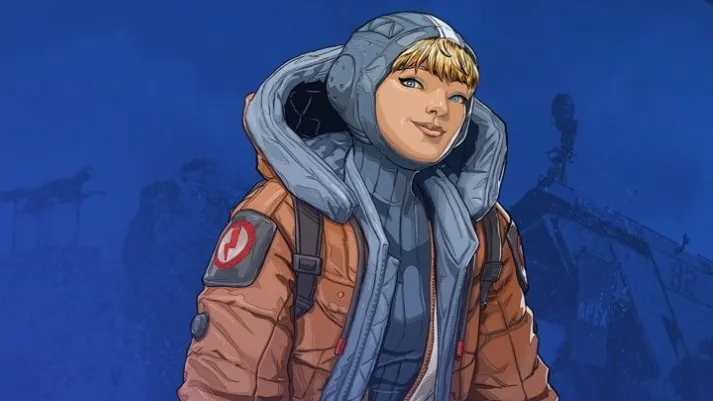
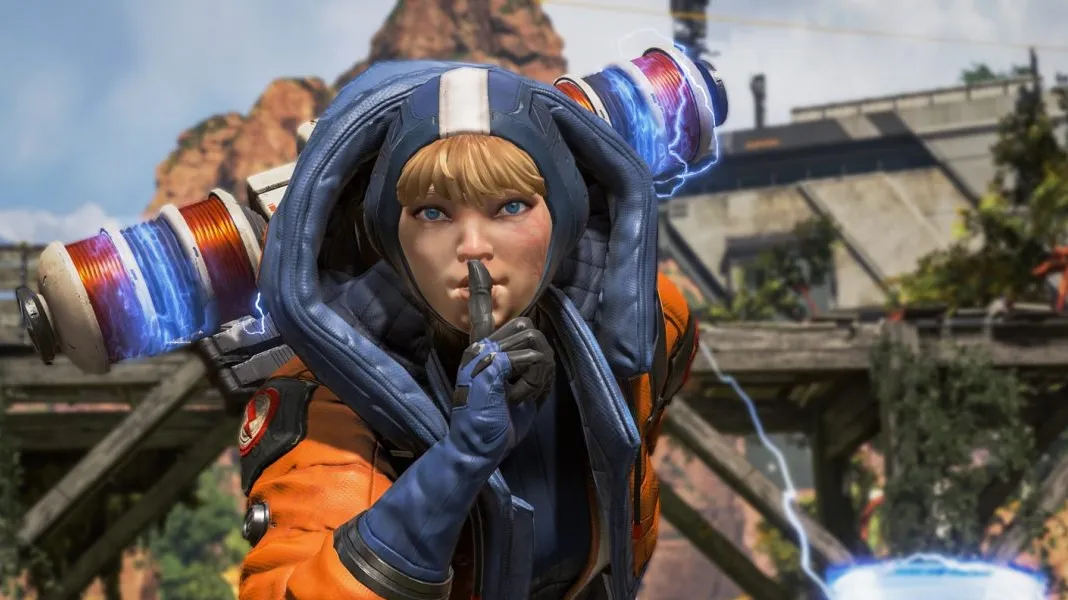
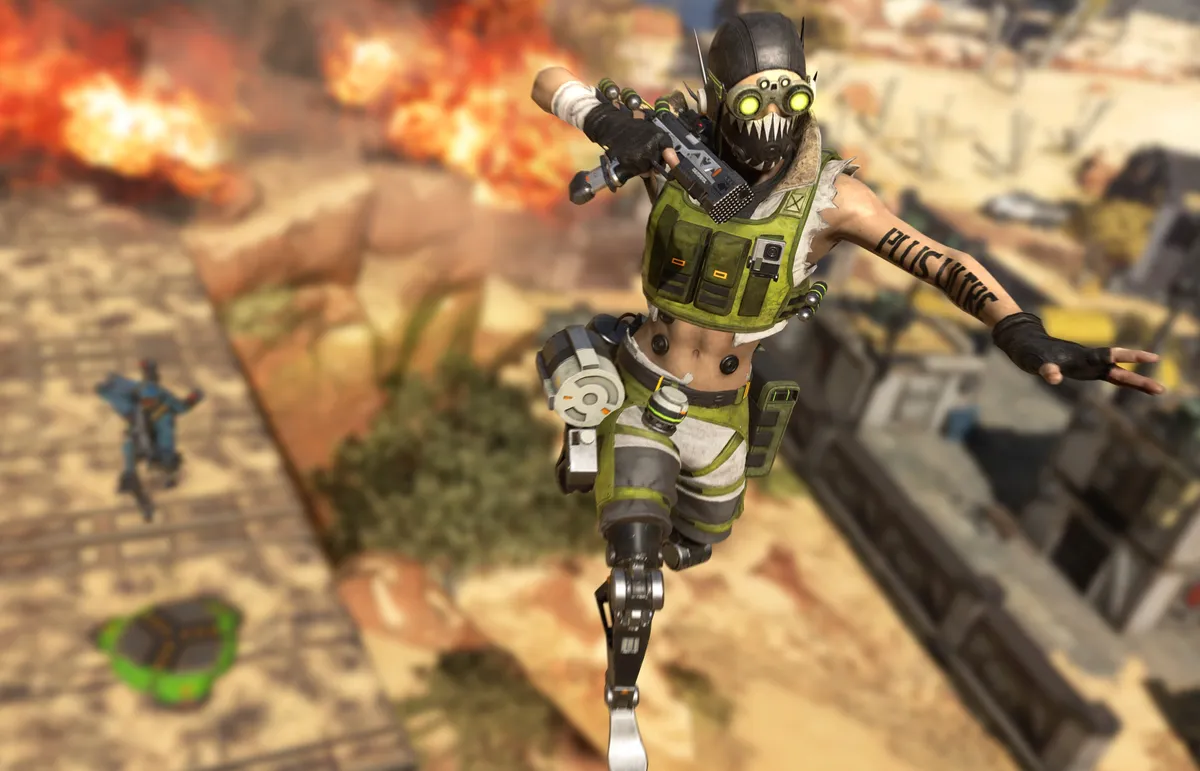
Which leads us to Wattson, the engineer who can lay down electric fences and fortify positions. The pylons stay in place throughout the match, even if the players controlling her got knocked out, much like Octane’s jump pads. In play-testing, the team had a lot of fun watching how one Wattson—or several from different teams—altered the map. The testers concentrated on Skull Town and laid fortifications down everywhere.
“You come in later in the match and there’s wire lines everywhere it’s it’s like a prison town,” Horn said. “Now you have to approach it differently. It’s like, ‘Where are they? I can’t just rush through all of the buildings because I’m going to get hit by wire lines.”
That sort of thing changes how the game flows. Respawn may not be taking a Crooked Towers approach to King’s Canyon, but the heroes themselves will definitely make you change up your tactics and routes.
“Wattson was designed [with us] understanding King’s Canyon,” McCoy said. “The actual canyons themselves? You can create these nice blockages and force people like water out of one exit and then you can mow ‘em down.”
The other big addition to season two is ranked mode. It’ll bring a “pretty aggressive” skill-based matchmaking system to the game, according to Horn, and will try to ensure players of the same ability are consistently thrown into the mix together.
Ranking amateurs
“It’s not just for the high-end Apex Predator-level people to get those high skilled matches, it’s actually for everybody,” Horn said. “It’s for the level 9s, the level 10s. You’ll get those evenly matched, skill intensive, but not skill-impossible matches. I think ranked, even though it implies competitive, will also be healthy for general players learning and improving.”
That’s not to say the regular Apex queue system will disappear. In fact, it’ll stick around as a low-risk way for players to try out different Legends without fear of dropping from, say, Gold to Silver while acclimating to a new Legend’s particular abilities. It’s Horn’s dream feature for the game. He’s always played ranked modes in competitive games, and Hardcore in Diablo.
“The measure of skill and the growth, and being able to say, ‘I’m better than you’ and the game can prove it? That’s what I yearn for.”
McCoy’s is different: He’d love an in-game replay mode a la PUBG, though he didn’t mention Brendan Greene’s game by name. Such a feature would allow players to capture footage, cut it together into their own hype videos and story trailers without the need for additional game-capture equipment.
“I’d love to get more user-generated cool stuff out of the game, but technically that is a huge hill to climb.”
That type of functionality requires an intimate knowledge of their heavily modded version of Valve’s Source engine, and McCoy said that could only be accomplished by a scant few in-house engineers.
“That really talented engineer, they could be working on 15 things,” McCoy said. “Which one’s most important? Because no one else can work on those 15 other things.”
Apex Legends season two starts July 2.
