The Witcher has been a big (and, I think, somewhat unexpected) hit for Netflix, and it's done so while remaining reasonably faithful to the original source material. But according to writer and producer Beau DeMayo, not everyone on The Witcher writing team was enthusiastic about sticking to Witcher author Andrzej Sapskowski's vision.
DeMayo, who's serving as head writer on an animated X-Men project that's set to debut in 2023, told The Direct that he was careful to ensure that only X-Men fans were hired for the writing team because of bad experiences he'd had with non-fans on other shows—one in particular.
"I've been on shows—namely Witcher—where some of the writers were not [fans] or actively disliked the books and games (even actively mocking the source material)," DeMayo said. "It's a recipe for disaster and bad morale. Fandom as a litmus test checks egos, and makes all the long nights worth it. You have to respect the work before you're allowed to add to its legacy."
DeMayo is credited as a writer on two episodes of Netflix's Witcher series, and a co-producer on two others, and he also co-produced and wrote the screenplay for The Witcher: Nightmare of the Wolf, the animated tale of young Vesemir. He's clearly in a position to know what he's talking about, in other words, but even so it's surprising to hear that writers on the show were dismissive of the source material. Obscure Polish low fantasy isn't going to be everyone's cup of tea, sure, but Netflix and those involved in it made a point of leaning into the show's commitment to Andrzej Sapkowski's short stories and novels.
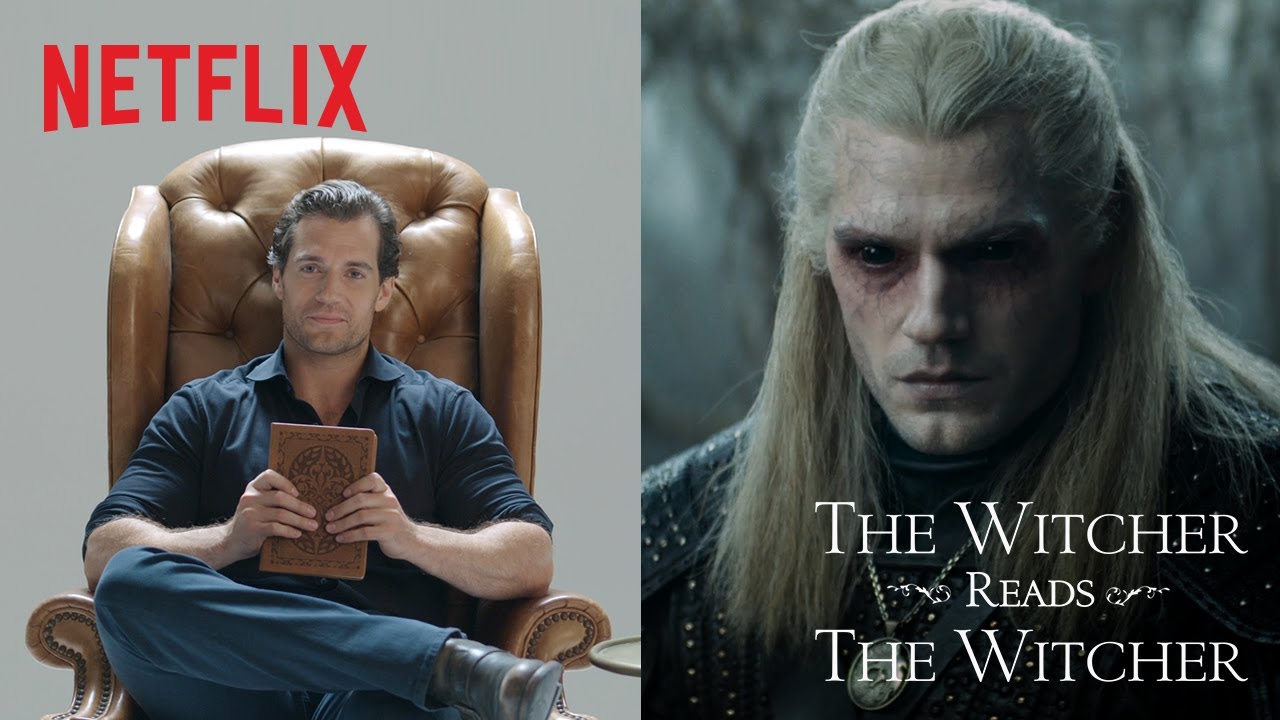
Here, for instance, is Henry Cavill lovingly reading from The Last Wish:
Showrunner Lauren Hissrich also paid tribute to Sapkowski's work, telling IGN ahead of the show's debut in 2019 that "we're all big fans of the books."
"We're all big fans of the videogames as well, but this is solely based on the books and that's really where we drew our inspiration from—starting with the short stories," Hissrich said.
The reaction to DeMayo's revelation on social media has been what you might describe as split: Some say it's impressive that The Witcher was so good despite discord in the writers room, while others say that writers room discord explains why The Witcher failed to live up to its promise. A few pointed out—and I think this is probably the fairest take—that good scriptwriters should be able to adapt and improve on source material even when they find it sub-par—and that Sapkowski's original work isn't beyond reproach.
Diehard fans can also sometimes lose perspective on what actually works in an adaptation or spinoff, and end up deep in the weeds as a result. Sometimes you need a little skepticism and pushback to keep things flowing. And, frankly, turning niche fantasy tales from a virtually unknown author into mainstream entertainment is a success that speaks for itself. Whatever was going on in that writers room, it worked pretty well.
(I will admit that I'm a little cranky about the show's treatment of Eskel—not because I have any great attachment to Sapkowski's characterization, but because it means no drunken prank calls to Novigrad wizards.)
Interestingly, the success of The Witcher on Netflix actually sparked a surge of interest in Sapkowski's fiction—for those just getting into it, we've got a very handy guide on what order to read the original Witcher books and short stories in.