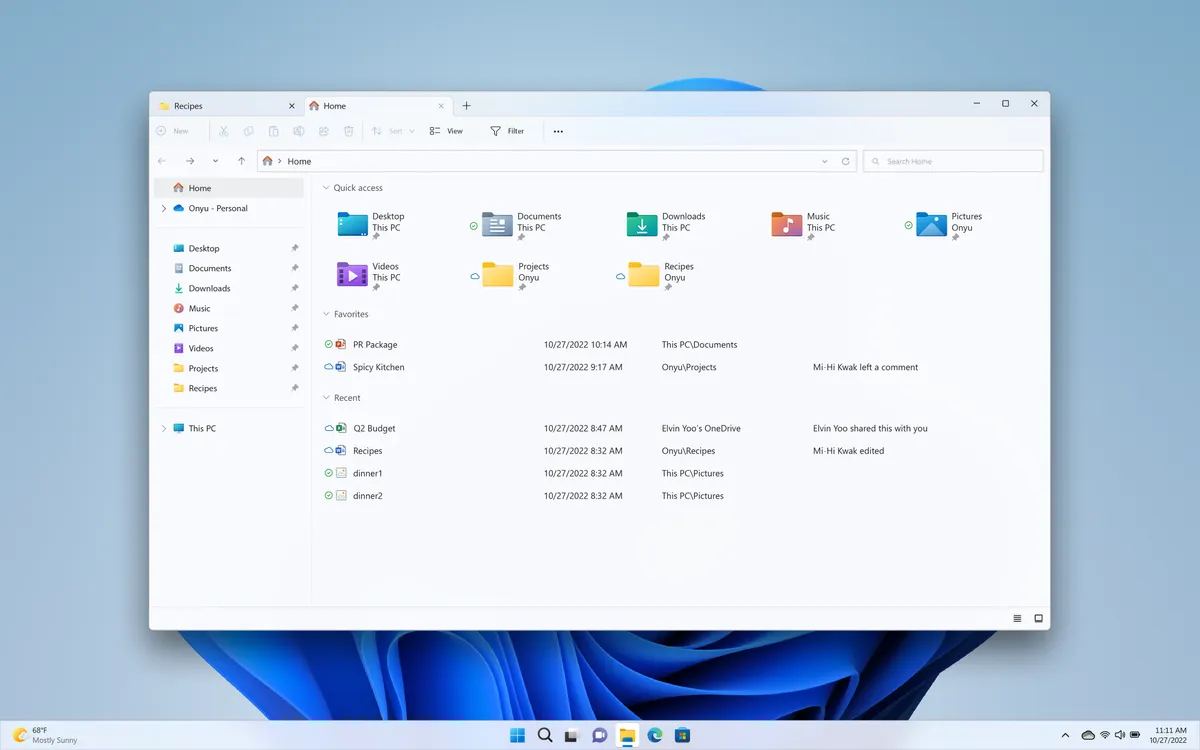
Windows 11 adoption has been slow for many different reasons, from hardware constraints to people just not wanting to do it. Both valid reasons, I think. But today's File Explorer tests prove that there's more to it than that—Microsoft simply still has some work to do to make Windows 11 as good as it can (or even should) be.
Microsoft is currently testing preloading File Explorer in the latest Insider Preview Build 26220.7271, available on the Dev and Beta channels. Windows Latest took the new improvement out for a spin, and the results are underwhelming at best.
Preloading (or pre-caching) is meant to speed up the load times of File Explorer, which have, so far, been a major downgrade compared to Windows 10. Microsoft is testing loading File Explorer into local memory before you ever need it, so it loads faster when you do.


Testing shows that Microsoft has succeeded, but only on paper.
Windows Latest ran a bunch of test on a virtual machine limited to 4 GB RAM. Without preloading, launching File Explorer accounted for 32.4 MB of RAM, and enabling the feature nearly doubled RAM usage, bringing it up to 67.4 MB.
That's negligible usage, of course, even on a PC with 4 GB RAM—but the problem is that doubling memory consumption doesn't bring much of a real-world improvement. Preloading or not, Windows 11 loads File Explorer in about the same time at a glance. Slowing down the video to 0.25x reveals that the preloaded option is indeed faster, but does it really mater if you need to hunt for it in slow motion footage?
The real difference kicks in when the system is under heavy load. With 16 tabs open in Edge, preloading File Explorer made it noticeably faster. Still, that's just one side of the coin.
The context menu remains slow to load regardless of preloading, with things like Edit in Notepad or Ask Copilot taking their sweet time to load. Part of this can be remedied by going to Settings in Windows, then Accessibility, and lastly, Visual effects. Turn off Transparency effects and Animation effects for a bit of a speed boost.
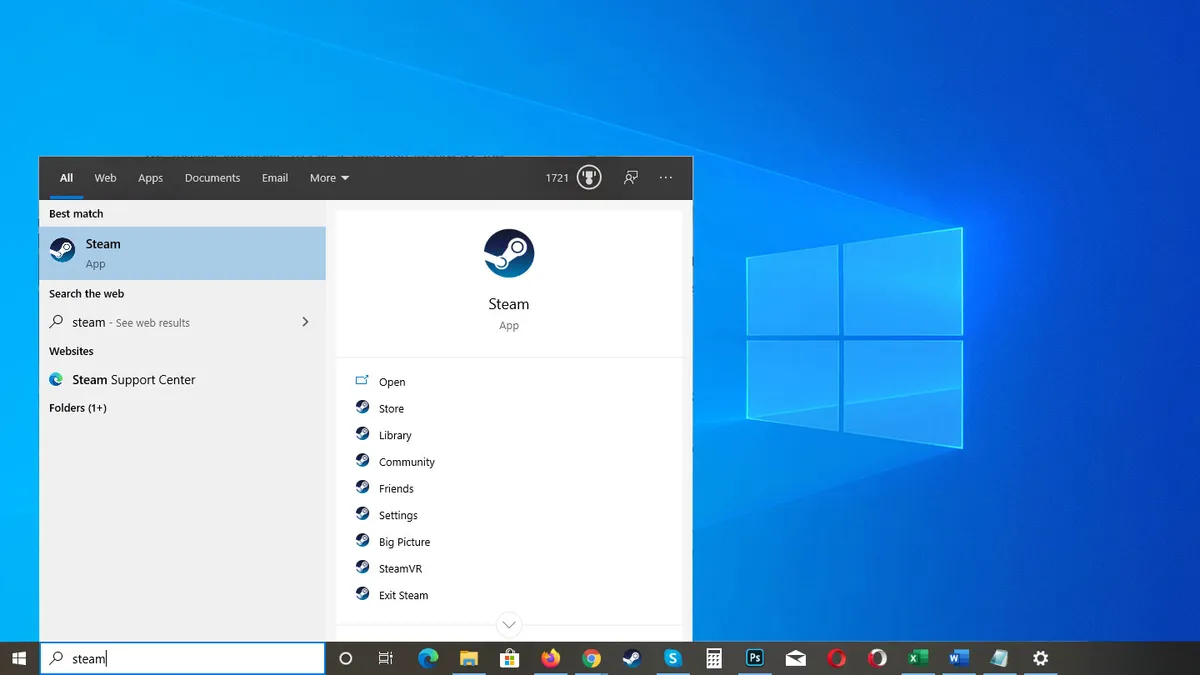
So, it seems like File Explorer is getting a bit of an improvement at twice the RAM usage. This would be fine if not for the fact that Windows 10 offered a much faster and smoother experience in File Explorer.
Windows Latest compared the two, with the Windows 10 device only running 2GB of RAM, and File Explorer still loaded almost instantly. In Windows 11, it still takes a few seconds.
While Microsoft (alongside just about every company ever) is focused on AI, including its hallucinating agentic features, there are still things outside of that bubble that could use some help. Let's hope that the preloading feature will be more impressive when it arrives in regular Windows Update in 2026.
1. Best gaming laptop: Razer Blade 16
2. Best gaming PC: HP Omen 35L
3. Best handheld gaming PC: Lenovo Legion Go S SteamOS ed.
4. Best mini PC: Minisforum AtomMan G7 PT
5. Best VR headset: Meta Quest 3