Join The Club





Lego "assembled an expert team from the worlds of video gaming, electronic engineering, industrial design, user experience, architecture, computing, sound… and much more" to create a tiny brick with a speaker and custom ASIC smaller than a single Lego stud. The Danish toy giant calls the new Smart Brick its "biggest innovation since the first Lego minifigure in 1978… Lego bricks that play back."
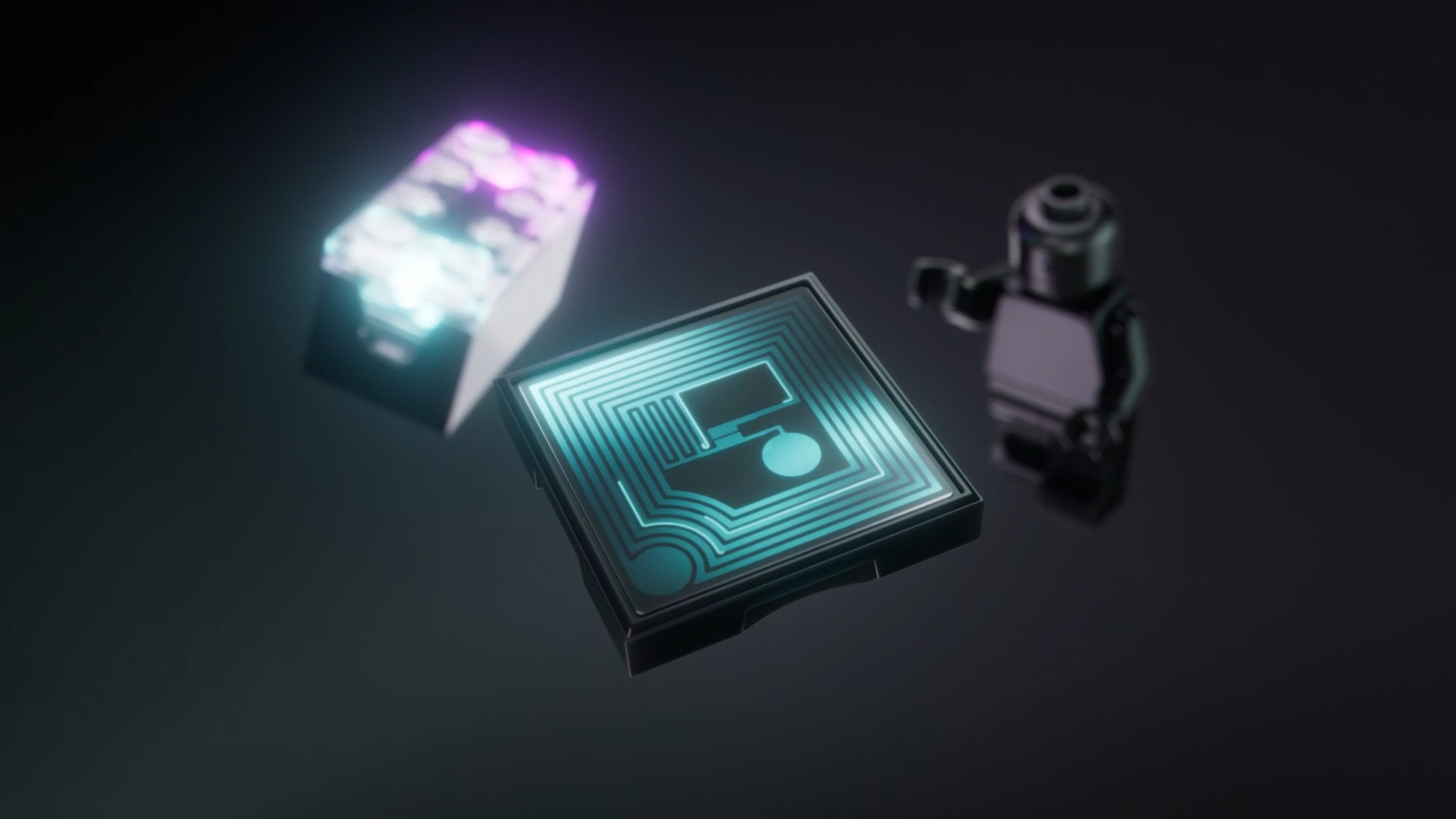
At its heart we're talking about a standard 2 x 4 brick that features a ton of technology inside—from accelerometers, to light and sound sensors, to a mini speaker—that allows it to respond to other Lego pieces in real time and in space. There are already similar kinds of things built into toys that respond to cameras in your smart devices to 'enhance' play, but I love the fact Lego has deliberately eschewed that avenue because of the attention a screened device will inevitably pull away from the physical play.
As a human who lives full-time with two very small humans, I'm all too aware that when a screen pops out of your pocket—even if it's to interact with the physical world—that it will immediately become the object of attention to the exclusion of all else. It's very Lego to consciously skip that possibility entirely.
Article continues below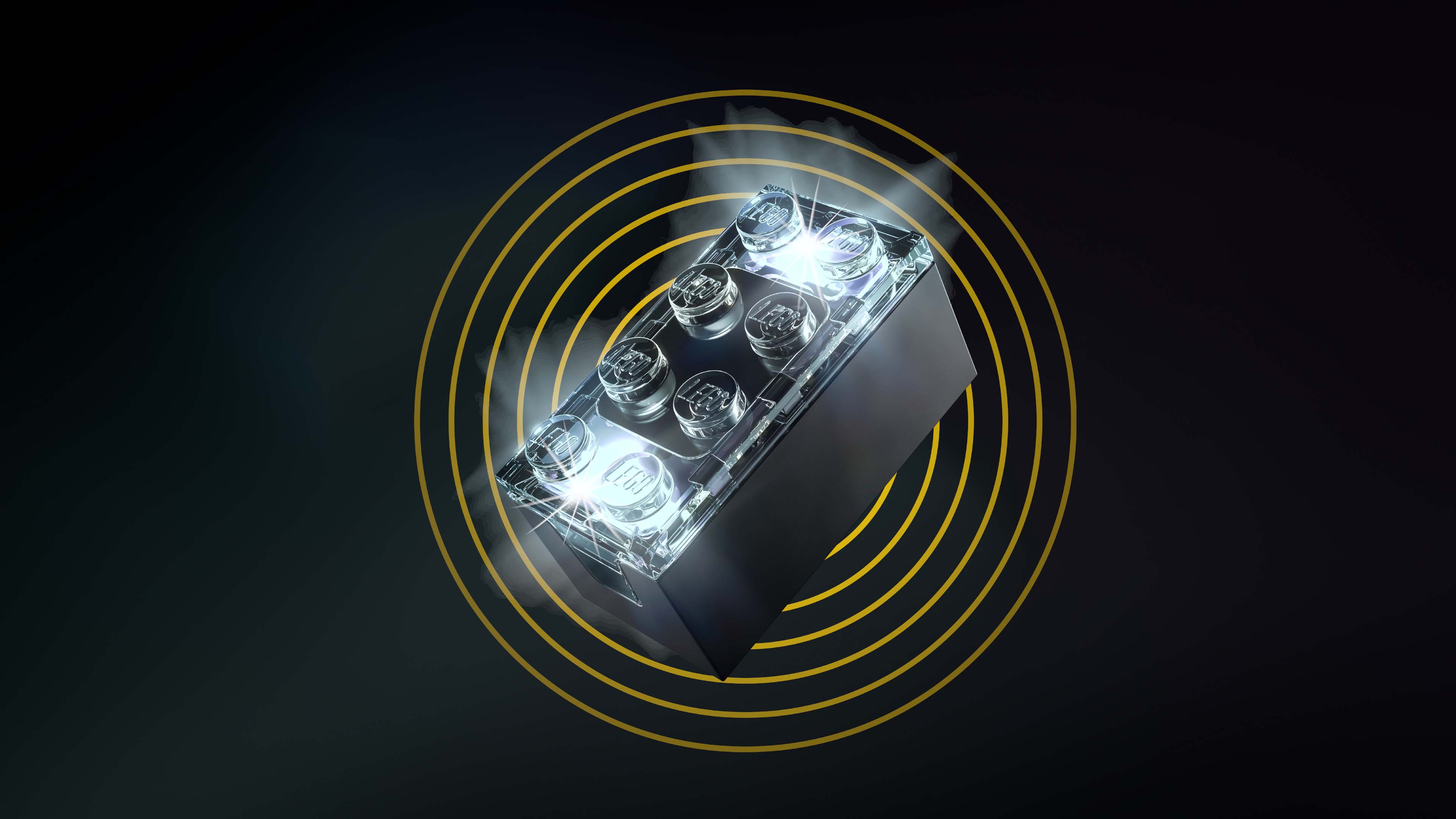
Catch up with CES 2026: We're on the ground in sunny Las Vegas covering all the latest announcements from some of the biggest names in tech, including Nvidia, AMD, Intel, Asus, Razer, MSI and more.
But the accelerometers in the Smart Bricks themselves also change the sounds it can make as you twist and turn them around. These aren't recorded sounds, either, because that speaker is driven by an onboard synthesiser. "So, we're talking about a potentially limitless number of sounds it can make," says Lego.
"Individual sounds usually require individual soundtracks. But we went in a different direction," reads the Lego post about how it made the Smart Play system. "By breaking down just a few sounds to their most basic principles, you can actually carefully adjust their frequencies and amplitude to create drastically different end results. So, you might hear our Smart Brick roaring like a jet plane or flushing like a toilet... but never realise they use the same core sounds."
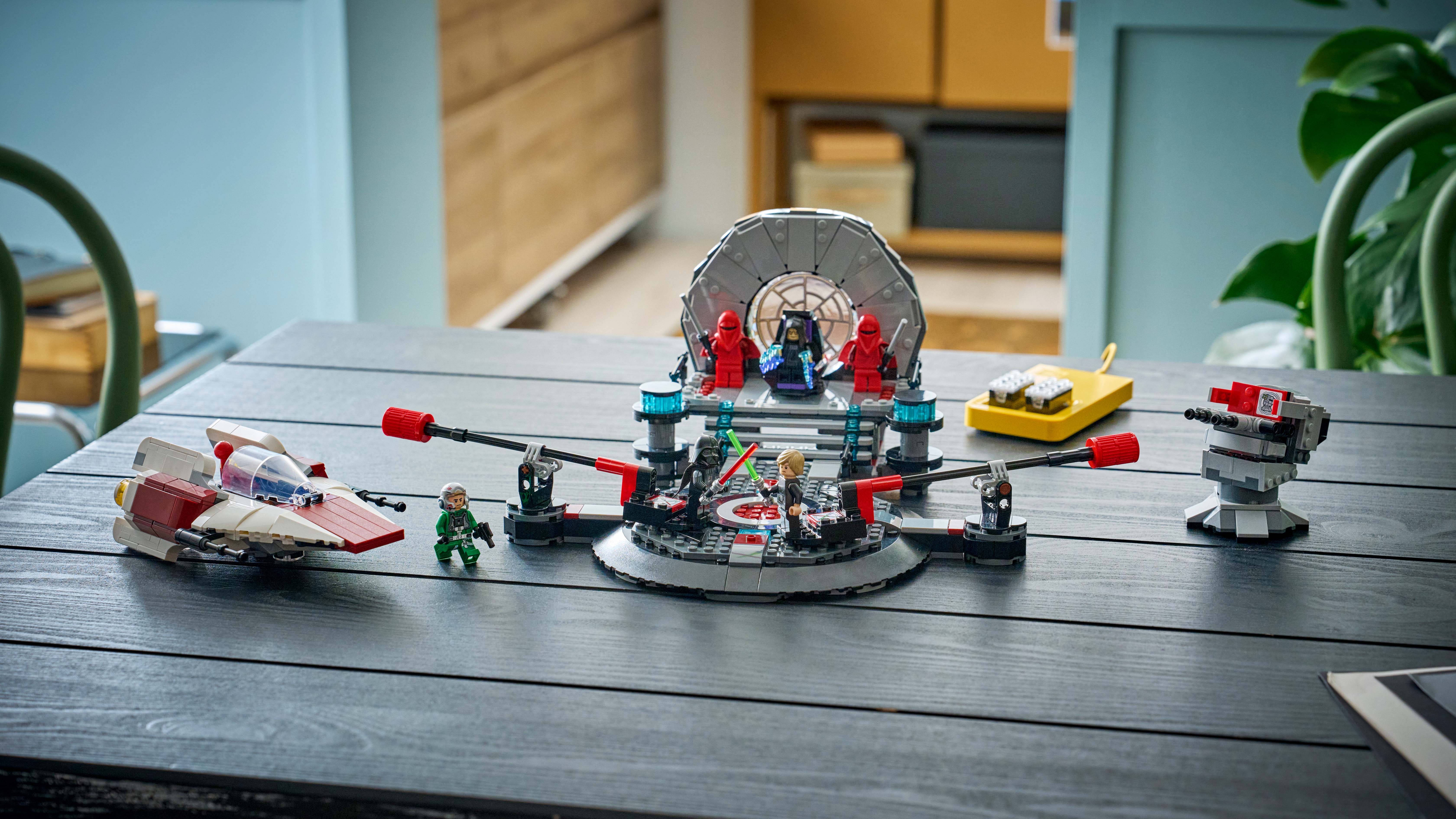
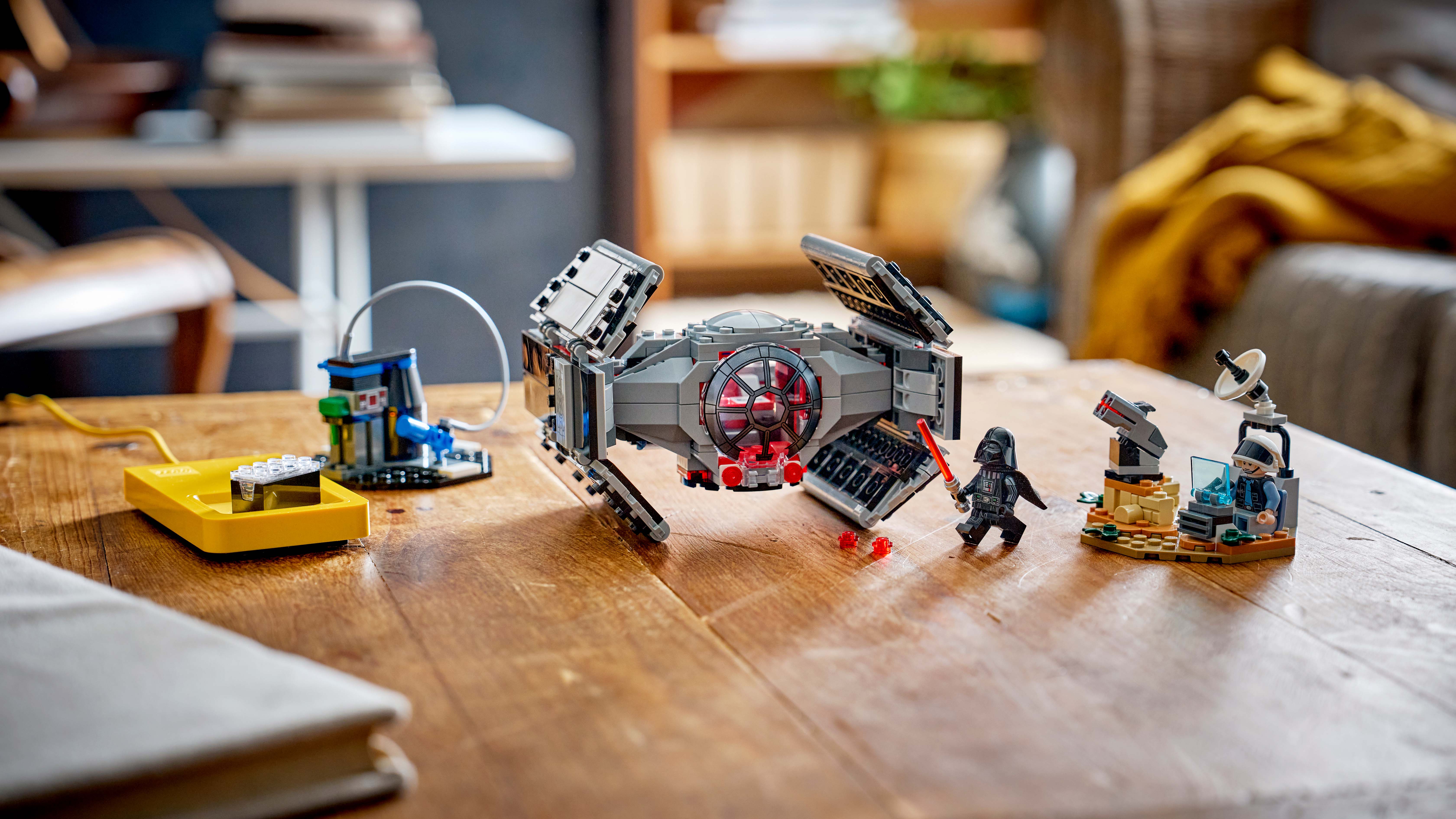
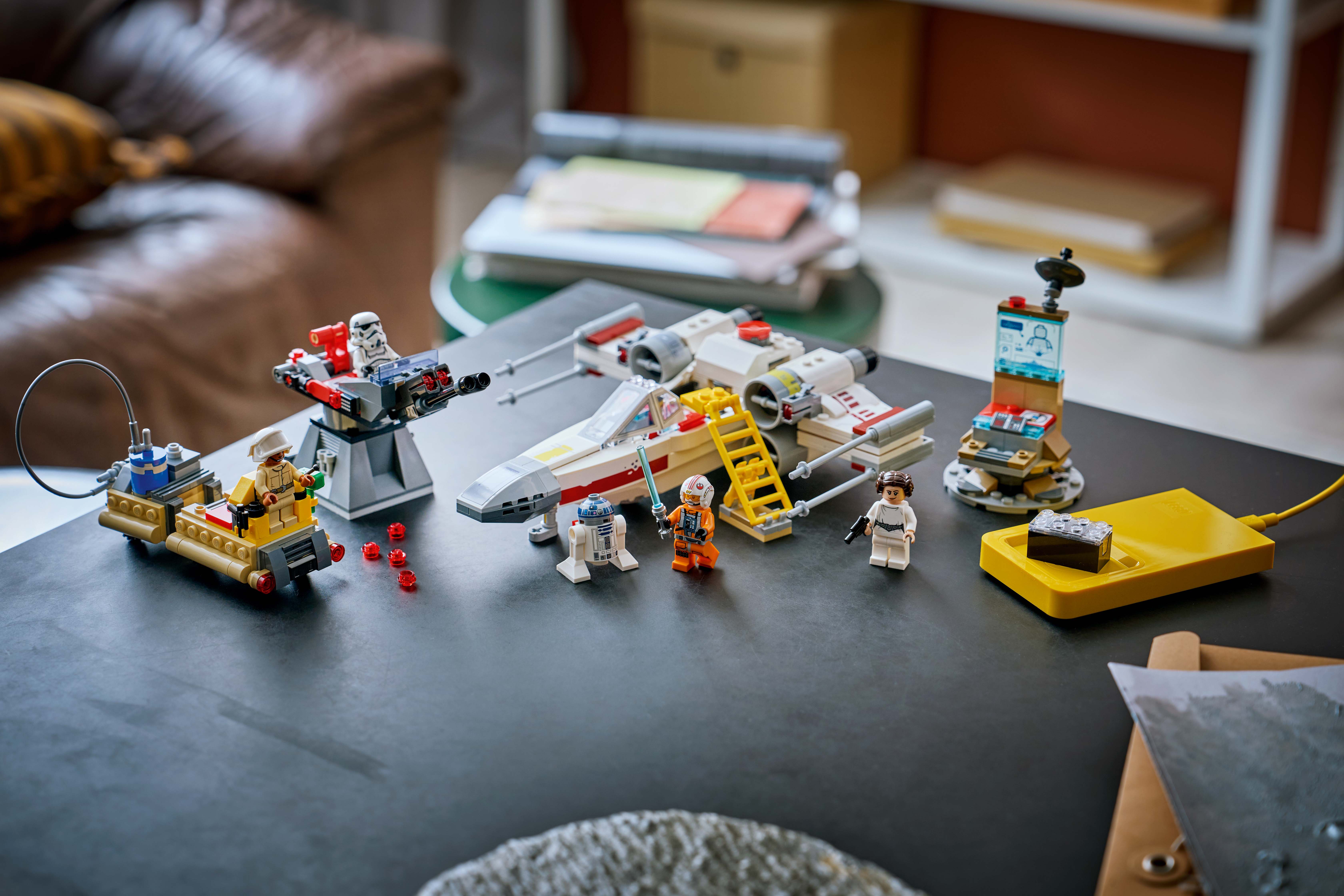
The Smart Play system as a whole is going to make its debut in the Lego Star Wars theme, with—obviously—an X-Wing set and a TIE Figher set, as well as a Throne Room Duel set featuring Luke Skywalker and Darth Vader battling in front of a cackling Palpatine. Those twin lightsaber duel tags sure are going to be a whole lot of fun to play with.
Pre-orders go live on January 9, with the three sets launching in March. That's just in time for my birthday, just sayin'.
1. Best gaming chair: Secretlab Titan Evo
2. Best gaming desk: Secretlab Magnus Pro XL
3. Best gaming headset: Razer BlackShark V3
4. Best gaming keyboard: Asus ROG Strix Scope II 96 Wireless
5. Best gaming mouse: Razer DeathAdder V4 Pro
6. Best PC controller: GameSir G7 Pro
7. Best steering wheel: Logitech G Pro Racing Wheel
8. Best microphone: Shure MV6 USB Gaming Microphone
9. Best webcam: Elgato Facecam MK.2

You must confirm your public display name before commenting
Please logout and then login again, you will then be prompted to enter your display name.