

World of Warcraft's big crossover with Dungeons & Dragons is finally here—and despite being a huge flagship collaboration, one of the biggest MMOs meeting with one of the biggest TTRPGs, I'm sad to say I'm feeling just a touch whelmed. This sourcebook is inconsistent—filled with very cool character options in some places, and just pointing at the already-existing player's handbook in others.
That inconsistency doesn't let the whole project down, mind. There are still some rules tucked away in here that I think are great additions to any campaign, not just a World of Warcraft-themed one.
Let's start with the big one: Classes. WoW and D&D do have a lot of overlap in terms of class fantasy—there's not much in the way of appreciable differences between a Fighter and a Warrior, other than a few iconic abilities being missing from the pack. As a result, this rulebook essentially uses the pre-existing classes as a template to throw some WoW flavour on.
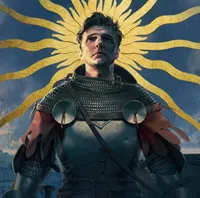
Some of these changes are meaningful—take, for example, the Death Knight. This uses the Paladin's chassis, but throws in a ton of impactful changes, replacing Lay on Hands with Death Coil, for example. It also throws a whole new raft of Death Knight-adjacent spells, adjusts your Find Steed with a cool undead ghost that can phase through objects, and more.
A lot of the classes are solved by custom spells like this—the Paladin, for instance, has just the one new subclass to cover for Holy and a bunch of iconic Paladin spells. But the balance of these is a touch skewiff in places. Take Divine Shield, for instance. This thing is straight busted.
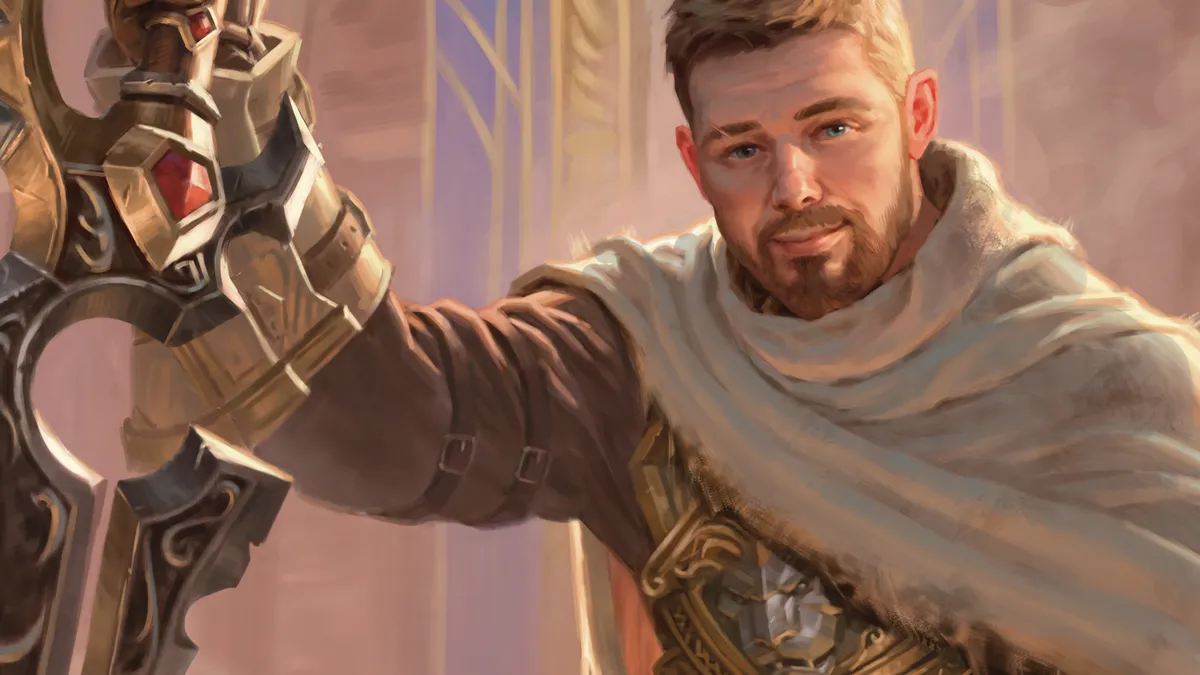
It's a 4th level spell, which does admittedly mean you'll only get it at levels 13 plus, but it makes you immune to not only the damage of a triggering attack, but also all damage until the start of your next turn. AND you can't be moved or have your speed reduced. While absolutely correct for the flavour of WoW's iconic bubble, this is crazy overpowered.
And while some of these classes do have a lot new on offer, others are so thin on content it's a wonder why they're there at all. The rogue gets a particularly short end of the stick, for instance. Outlaw rogues are just given a reskinned version of 5e's Swashbuckler subclass (which does, in fairness, have some new Cunning Strike options to bring it up to parity). Otherwise, the book just points you in the direction of pre-existing subclasses.
Others are a complete miss, too. Shamans are all awkwardly stuffed into the chassis of the Barbarian, which only really works for Enhancement shamans—Elemental and Restoration shamans are pretty much just your standard D&D barbarian with some flavour-adjacent rage options, rather than the full spellcasters they are in the videogame.
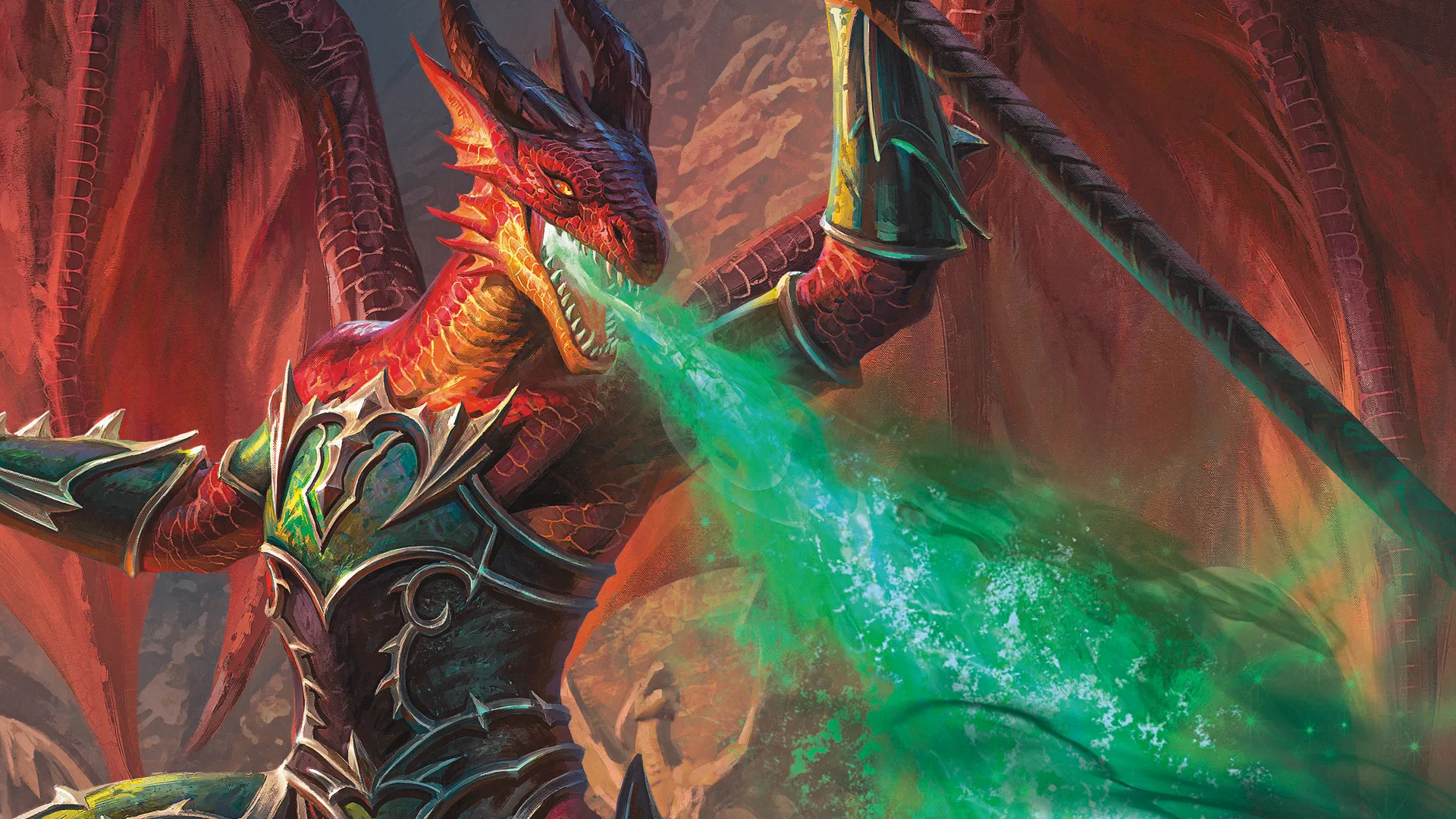
This inconsistency in quality applies to character origins, too. Some of them have fully bespoke traits—Dracthyr get their visage forms, Void Elves get this cool void form that triggers when you hit identical numbers on an Advantage/Disadvantage roll, and so on. And then there are Orcs and Dwarves, some of WoW's most iconic races, where the book goes: Just use the stuff that's already in the PHB.
And yet, there's a lot to this supplement I actually like. When it's actually adding new options to the classes, I think they're cool—the Frost Mage flavoured feat, Fingers of Frost, gives you extra cold damage against restrained creatures, for example. But the real thing I would encourage you to just crib for your non-Azerothian games are its gathering and crafting systems.
Crafty rules
In 5e (and the 2024 rules), crafting's always been sort of a joke. There are tool proficiencies, but they might come up every once in a blue moon. The actual Player's Handbook just says to half the cost of an item, then smacks you around the head with a massive downtime cost for anything particularly expensive—a suit of plate armor takes a whopping 150 days to craft (though you can split this with extra help). At which point you might as well just eat the GP cost and buy the damn thing.
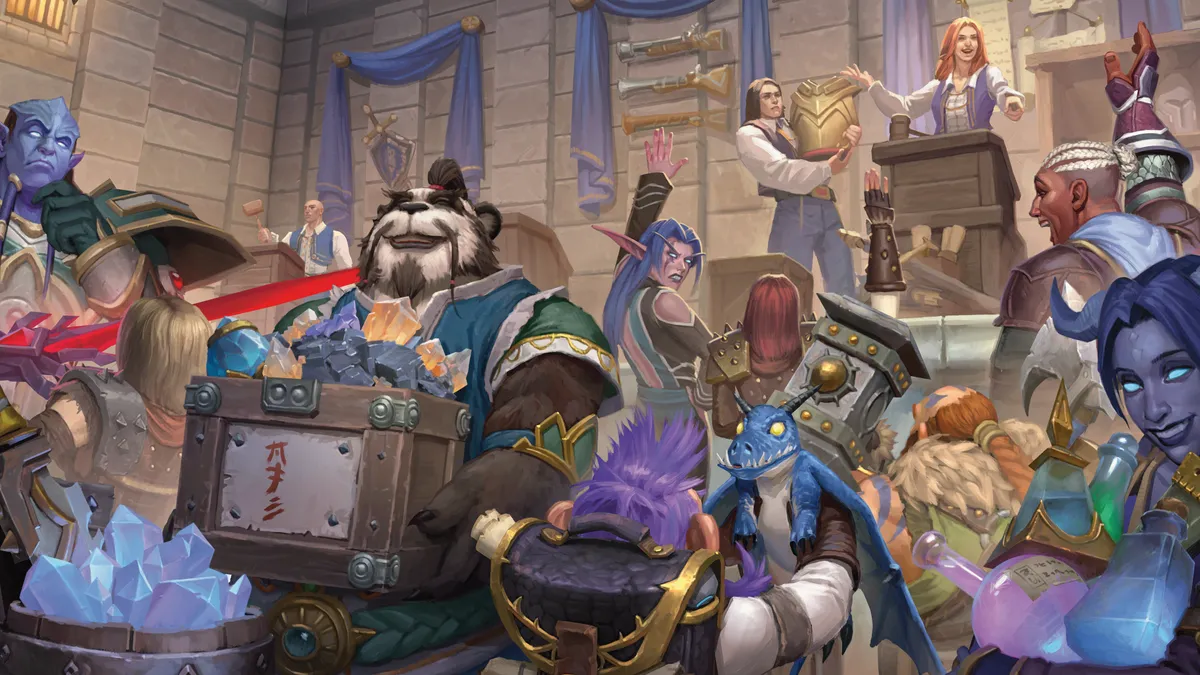
This book, however, has some really neat rules for gathering and crafting professions. Having the right tool proficiency gives you access to a profession, which you can level up when your proficiency bonus increases to new tiers (which also increases the rarity of the items you can make).
Instead of making players shell out the gold cost, these gathering professions have a neat little table for getting enough golds' worth in raw materials to make the thing, with extra bonuses for beating the involved DC by five or more. When you get to higher levels, certain recipes might require items from specific regions—and you might only know how to make those items via recipes obtained from certain factions.
It's still all pretty lightweight (although each profession does have a useful list of suggested recipes it should know) but that's honestly a boon to this system, rather than a bane, because you could very easily just slot this whole mechanic into your homebrew campaign with very little trouble.
And, more to the point, you could very easily make entire adventure hooks out of going to get specific materials for a recipe here—which helps solve D&D crafting's main issue: It's not relevant unless you have literal months of in-game downtime to kill. While the book doesn't make changes to the time-to-craft issue, it's still a major step up.
The fact that there's plenty to like in this book makes it all the more frustrating that it's so inconsistent."
Renown's another mechanic I like. You get renown with certain factions based on your origins, but you can increase this renown through play to get certain perks. For instance, improved renown with Darnassus gives you the option to learn certain proficiencies, gain a blessing from its leaders, or gather extra materials with herbalism. My favorite of these is the gnomeregan Shield Guardian perk, which specifically states that if you dip below 50 renown again, the guardian turns on you. Sorry buddy, my creator says you dropped off.
Aside from these rules additions, there are also some solid dungeon adventures with their own bespoke stat blocks, extra magic items, and a respectable bestiary full of critters to toss into your campaign.
The fact that there's plenty to like in this book makes it all the more frustrating that it's so inconsistent—some areas have novel, if a little wonky, additions to the system. Others shrug like the book's designers simply ran out of time and budget, pointing towards resources that you already own.
However, if you are looking to run a WoW-specific campaign, or just want crafting rules that don't suck, it very well might be worth checking out on the strength of its secondary mechanics alone. Just don't go in there expecting a 1:1 replication of the MMORPG. This is still Dungeons & Dragons—and in some places, I mean that literally.