This Game Costs 200 Dollars is a game on Steam that, literally, costs $200. The listing describes it as a "psychological 'comedic' experience," and promises it's absolutely worth "every single cent" of its wildly inflated price. You might have doubts, but it was enough of a hook that for one brief, shining moment, developer Stolen Valor Studios—actually 18-year-old Michael Major—was a millionaire.
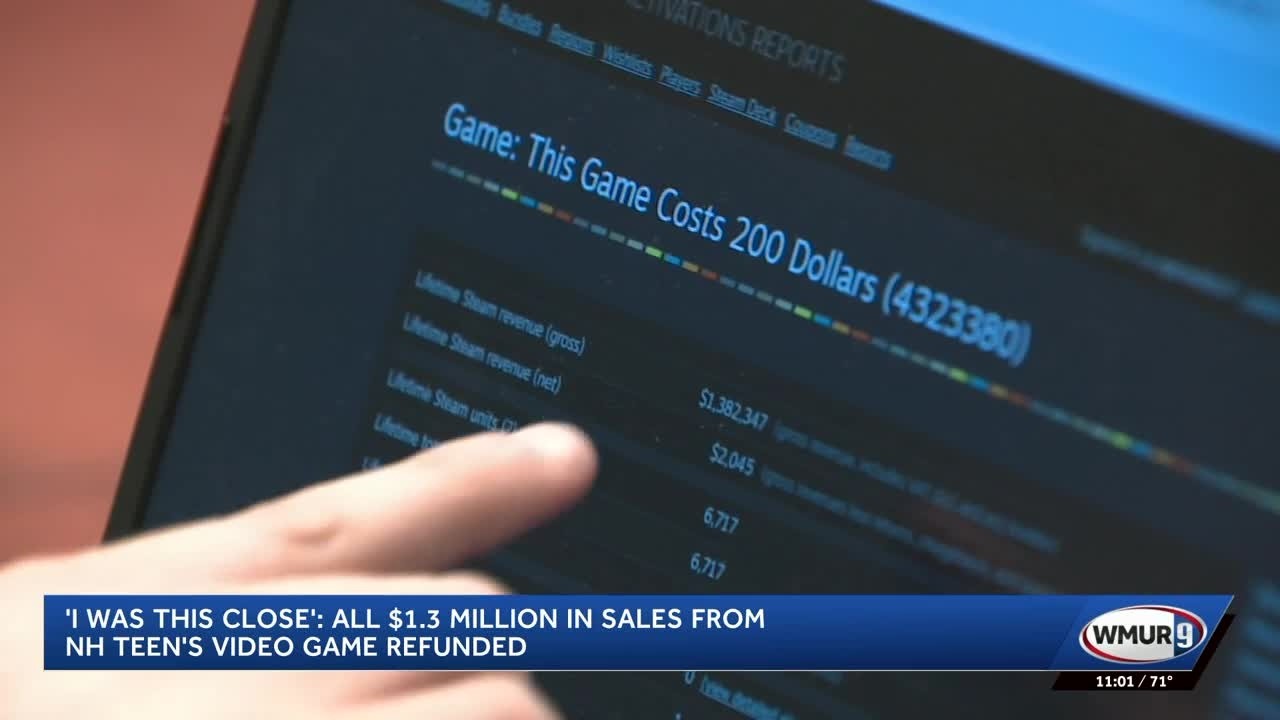
Major told his tale to WMUR-TV (via GamesRadar), saying This Game Costs 200 Dollars—released on January 30, nominally a sequel to This Game Costs 10 Dollars, which came out just days prior—was intended as a joke, and not something he expected anyone would buy. But a few months later, according to the report, he realized that plenty of people had purchased it—to the tune of nearly $1.4 million.
The problem? Nearly all of the people who bought it—most of them from China—immediately refunded it, most without playing it even once. Major said he doesn't know why people in China were buying and immediately refunding the game, but speculated that it may have come to attention via an ad or "scheme" of some sort.
"I have heard of expensive games on Steam being used for money laundering," Major said. "I have no idea. I could be on a hit list right now."
Major doesn't seem too fussed about the possibility of getting aired out by a Pyongyang button man, but it's fair to say that he's not taking any of this too seriously—including, it bears pointing out, his game. While the top-box description calls it "200 dollars worth of pure joy, amazement, and awkward conversations," the lead in the "about this game" section calls it "the swindle to end all swindles." Major insists throughout the store page that This Game Costs 200 Dollars is a real game, and at one point calls it "a real mind bending experience unlike anything that has ever been done before," both of which may be technically true. But it's all so patently absurd that if you actually spend $200 on this thing, well, that's on you.
Curiosity got the better of me, so I put some of my own time into This Game Costs 200 Dollars, and I'll begin by saying that despite its lofty promises, the cost is not justified. It's a simple, retro-styled top-down adventure-RPG, with rooms to explore and NPCs to briefly chat with, and occasional interjections from the developer to remind players how hard he worked on it, and that it really is worth $200. It's silly and clearly low-effort, but also kind of amusing and even clever in spots, in the gently edgy way of teenagers who are a little sharper than most: I feel like at least one of my nephews would put real time into this.
And yes, I finished it. I don't plan on pursuing any alternative endings, however.

One thing I found odd is Major's claim that he priced the game at $200 because that's the maximum allowed on Steam. As far as I can tell, Steam doesn't have a ceiling on allowable pricing, but if it does, This Game Costs 200 Dollars doesn't hit it: Congratulations On Your Purchase famously has a $1,000 price tag, as does The Leverage Game; True Love is $500, and Beach Volleyball Competition (which very considerately also offers a demo) is $290.
In any event, Major is not an instant millionaire, but he did make out alright on it. Docs he showed WMUR indicate that his net take is a little over $2,000—not a bad haul for a teenage lark.