It's not often we dive into updates on specific cryptocurrency algorithms here at PC Gamer, but this one could have a material impact on our humble hobby. While the relationship between Ethereum—the most popular crypto for GPU mining—and PC gaming has been, uh, rocky at the best of times, that could be all about to change.
Ethereum is looking to shift to a proof-of-stake model within months, the Ethereum Foundation has said, and that brings with it some major changes to how the cryptocurrency operates fundamentally.
Today, Ethereum uses proof-of-work to shift transactions and generate new Ether, which is the currency used on the Ethereum network. Proof-of-work requires lots and lots of computational power to operate, much the same way as Bitcoin does, but while Bitcoin is largely powered by application specific integrated circuits (ASICs), Ethereum is powered almost exclusively by graphics cards.
Proof-of-stake will cut the requirement for GPUs. Instead, the very network itself will verify transactions, or blocks, according to their stake in Ethereum. The system remains secure because the wealth of Ether in the world has already been distributed across millions of people.
Best gaming mouse: the top rodents for gaming
Best gaming keyboard: your PC's best friend...
Best gaming headset: don't ignore in-game audio
As a result, Proof-of-stake would cut the requirement for GPU mining, which means less demand for cards and less power sapped from the limited resource that is planet Earth.
"Ethereum will be completing the transition to Proof-of-Stake in the upcoming months," Carl Beekhuizen, Ethereum Foundation, says in a blog post, "which brings a myriad of improvements that have been theorized for years. But now that the Beacon chain has been running for a few months, we can actually dig into the numbers. One area that we’re excited to explore involves new energy-use estimates, as we end the process of expending a country’s worth of energy on consensus."
Beacon Chain is the system by which the Ethereum network will manage a proof-of-stake network. It differs from the mainnet blockchain in use today for proof-of-work. Both effectively aim to produce a secure network for verifying Ether transactions, however.
Ethereum has been eyeing up a Proof-of-Stake concept for years now. I remember talking about it during the last great GPU shortage of 2017/2018, but so far nothing truly game changing has come out of it to alter how Ether is mined. Thus, Ethereum has remained a power-sap of gargantuan proportions. Its power demand has been compared to countries, and is only increasing as the price goes ever higher—it makes you realise all your individual efforts recycling and riding a bike to work are nothing in the face of millions of people trying to make a quick buck.
Really depressing stuff.
Proof-of-stack, if successful, would cut Ethereum's power use by up to 99.95%, the foundation claims.
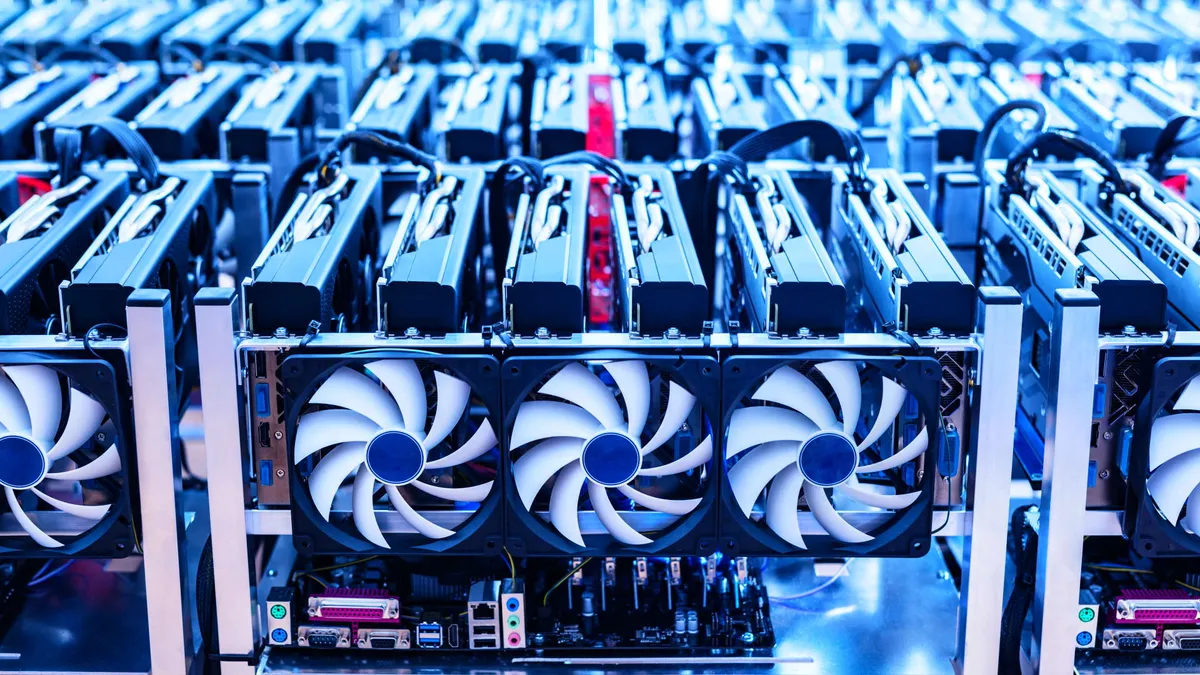
But what happens to all the miners when proof-of-stake inevitably happens?
Either miners can pack up shop, sell their GPUs for a quick buck second-hand, and move on with their lives. Or they move to one of the many, many alternative cryptocurrencies out there that are still happily mining away.
There will likely always be cryptocurrencies that use the tried-and-tested proof-of-work approach to get off the ground, which means we'll never quite be free of the cryptocurrency's power and hardware requirements entirely.
But these altcoins still have to prove themselves profitable to see the graphics card river run dry, and in that there's some hope for affordable GPUs sometime in the next few years, even if proof-of-stake may not quite the magic fix-all we're praying for.