


Prior to the official reveal of Nvidia’s RTX 40-series, there were some disturbing rumors floating around regarding their power consumption, particularly the AD102 equipped RTX 4090. Thankfully, the most outlandish of those rumors didn’t come to pass. We won’t be seeing 900W GPUs this generation, though there’s surely the 4090 Ti to come, so never say never.
Nvidia posted an FAQ on its support page, and it addresses the concerns users may have regarding things such as the minimum wattage requirements, connector durability and compatibility with existing power supplies. The bottom line seems to be, if you have a good quality power supply now that meets the minimum wattage requirements, it should all be smooth sailing.
Beginning with the wattage. The RTX 4090 carries a TGP of 450W, the 4080 16GB draws 320W and the 4080 12GB draws 285W. These numbers have led Nvidia to set the minimum PSU wattages at 850W, 750W and 700W respectively. That’s more or less the same as equivalent RTX 30-series cards. The RTX 4080 12GB really should be called the RTX 4070, but I digress.
Another major PSU question relates to 8-pin to PCIe Gen 5 16-pin adapters and compatibility. Nvidia says the adapters have circuitry to quote: "translate the 8-pin plug status to the correct sideband signals according to the PCIe Gen 5 (ATX 3.0) spec." It can also tell the GPU whether three or four 8-pin connectors are plugged in. If four are detected (for 600W in total), it allows the card to unlock more power headroom for overclocking.
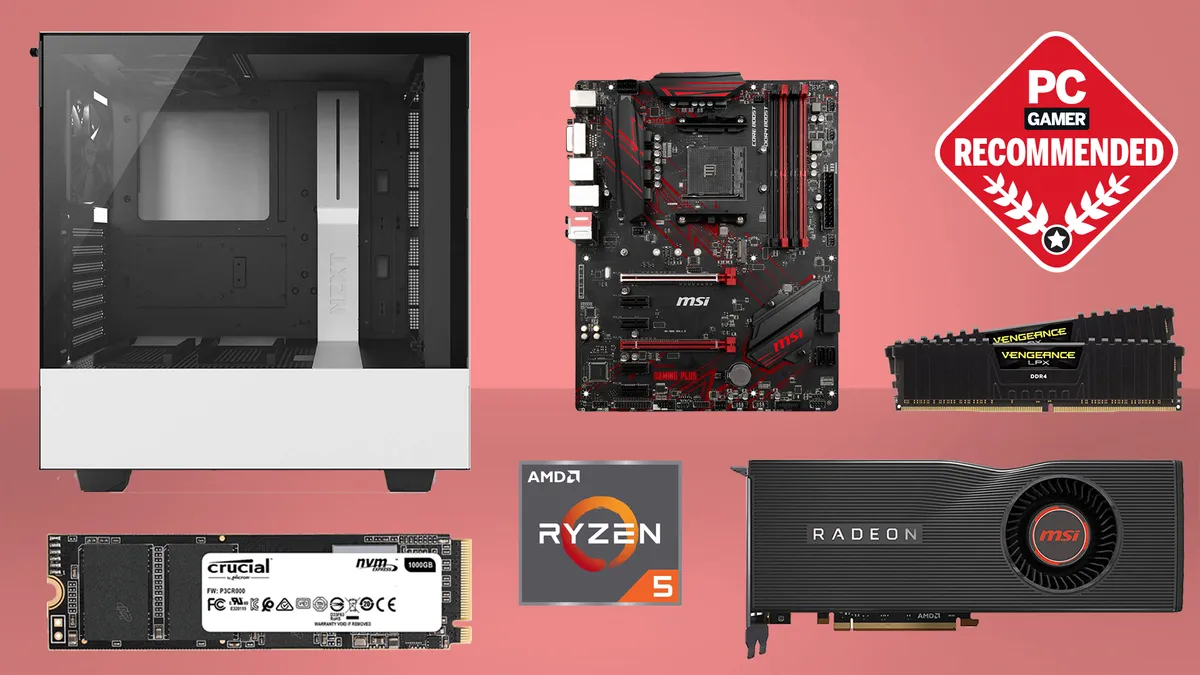
Best CPU for gaming: The top chips from Intel and AMD
Best gaming motherboard: The right boards
Best graphics card: Your perfect pixel-pusher awaits
Best SSD for gaming: Get into the game ahead of the rest
A couple of other rumors have also been debunked—though we’ll need to wait until the cards are in the hands of millions to be 100% sure. The first relates to the durability of the PCIe 5.0 connectors, which is officially rated for 30 connect cycles. That is the same is it has always been pretty much. As a reviewer changing GPU connectors just about every other day, I can confidently say that connector durability should not be a problem.
The last significant rumor revolved around the possibility of an overcurrent or over power risk with non-ATX 3.0 PSUs and the new 16-pin power connector. Nvidia says it encountered an issue with a single supplier early in development, which has since been rectified. However, this last point illustrates the need to use a good quality PSU from a reputable brand. A no-name OEM model may not stick to PCI-SIG guidelines as strictly as a well-known brand would.
The takeaway seems to be much like it has always been. A good power supply is a long-lasting component that’s perfectly capable of handling your RTX 40-series build. As long as it meets the minimum wattage requirements, you should be fine. Add more power if you plan to OC and handle the power connectors with care and you should have no problems.

