Nvidia reveals Vera, a new CPU with 'custom' cores which could be very exciting for its upcoming premium PC processor
Is Vera destined for the PC?
Keep up to date with the most important stories and the best deals, as picked by the PC Gamer team.
You are now subscribed
Your newsletter sign-up was successful
Want to add more newsletters?
Every Friday
GamesRadar+
Your weekly update on everything you could ever want to know about the games you already love, games we know you're going to love in the near future, and tales from the communities that surround them.
Every Thursday
GTA 6 O'clock
Our special GTA 6 newsletter, with breaking news, insider info, and rumor analysis from the award-winning GTA 6 O'clock experts.
Every Friday
Knowledge
From the creators of Edge: A weekly videogame industry newsletter with analysis from expert writers, guidance from professionals, and insight into what's on the horizon.
Every Thursday
The Setup
Hardware nerds unite, sign up to our free tech newsletter for a weekly digest of the hottest new tech, the latest gadgets on the test bench, and much more.
Every Wednesday
Switch 2 Spotlight
Sign up to our new Switch 2 newsletter, where we bring you the latest talking points on Nintendo's new console each week, bring you up to date on the news, and recommend what games to play.
Every Saturday
The Watchlist
Subscribe for a weekly digest of the movie and TV news that matters, direct to your inbox. From first-look trailers, interviews, reviews and explainers, we've got you covered.
Once a month
SFX
Get sneak previews, exclusive competitions and details of special events each month!
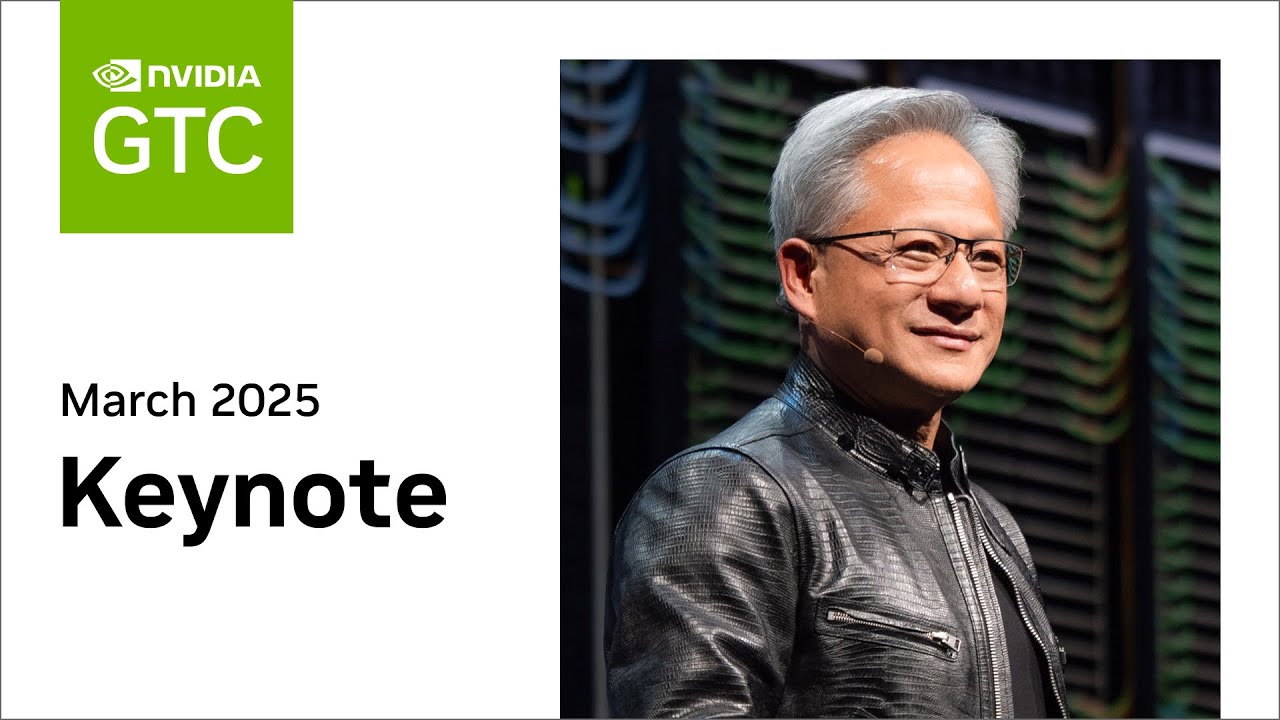
Nvidia's GTC keynote helmed by none other than its great leader Jensen Huang was filled with all kinds of wonders from rack computers with 130 trillion transistors and an exoflop of compute to an actual robot on stage.
But arguably the most intriguing detail for the future of the PC was reference to a new Nvidia CPU. Known as Vera and destined to be part of Nvidia's Vera Rubin AI compute platform, the new CPU sports 88 CPU cores but consumes just 50 W of energy.
"The CPU is new, it's twice the performance of Grace [Nvidia's current CPU design for AI servers]—more memory, more bandwidth, and yet it's just a little tiny 50 W CPU," Huang said.
What he didn't specifically mention but was clear to see behind him in the keynote slide was the fact that Vera sports not just Arm CPU cores, but a "custom" Arm CPU core design known as Olympus. In other words, CPU cores designed by Nvidia.
That's a change from the previous Nvidia Grace Arm CPU, which used Arm's off-the-shelf Neoverse V2 CPU core design rather than a bespoke Nvidia CPU core. Notably, Grace has 72 CPU cores, so Nvidia is claiming double the performance despite the core count only increasing from 72 cores to 88 cores.
Anyway, the immediate question that follows is whether this new CPU core design could be destined for the long-rumoured Nvidia CPU for PCs. Ultimately, that simply isn't known. But it is a very realistic possibility.
More than that, Olympus is at the very least proof that Nvidia is back in the business of designing its own CPU cores. Nvidia has been here before with Project Denver, the core design of which ended up in various Nvidia Tegra chips. Denver florist appeared in 2014 and Nvidia has since cooled on designing its own Arm cores. Until now, that is.
Keep up to date with the most important stories and the best deals, as picked by the PC Gamer team.
Ultimately, any Nvidia chip for PCs will be much more exciting and likely more competitive if it uses a custom CPU core design rather than merely licensing CPU cores from Arm.
Whatever, the hardware inside Nvidia's upcoming PC chip may or may not be the same Olympus cores briefly showcased by Jensen Huang at GTC. But the odds of Nvidia's new PC processor having custom Arm cores just went up dramatically.
Best CPU for gaming: Top chips from Intel and AMD.
Best gaming motherboard: The right boards.
Best graphics card: Your perfect pixel-pusher awaits.
Best SSD for gaming: Get into the game first.

Jeremy has been writing about technology and PCs since the 90nm Netburst era (Google it!) and enjoys nothing more than a serious dissertation on the finer points of monitor input lag and overshoot followed by a forensic examination of advanced lithography. Or maybe he just likes machines that go “ping!” He also has a thing for tennis and cars.
You must confirm your public display name before commenting
Please logout and then login again, you will then be prompted to enter your display name.