Join The Club





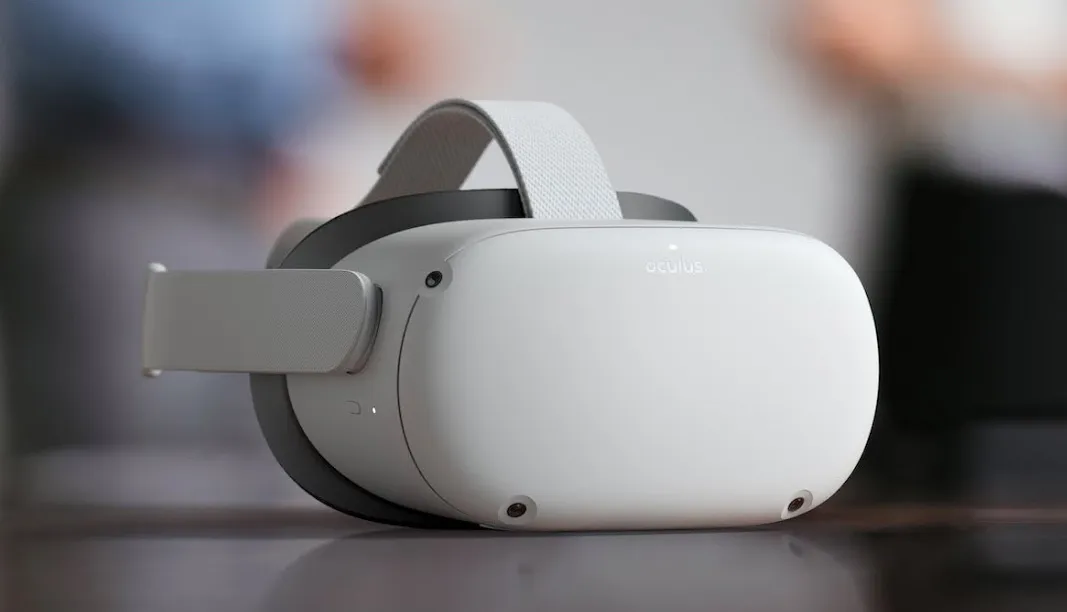
High-end PC VR is a demanding sort. You need to invest in a decent VR headset and the gaming PC with enough GPU grunt to play without getting woozy, and it can become a pricey hobby if you don't already own one up to spec. That's where PlutoSphere hopes to help out: The company is bringing PC VR streaming to the Oculus Quest 2.

Best VR headset: which kit should you choose?
Best graphics card: you need serious GPU power for VR
Best gaming laptop: don't get tied to your desktop in VR
That's PC VR games without the PC, essentially. Don't get confused, though, this isn't just wireless streaming from your PC to a VR headset. Whereas today it's possible to play either pared-back standalone VR games rendered on your device or games rendered on your local PC and transmitted via cable or wireless to your headset; this will allow for the latter to be played without a local PC.
How does it do it? PlutoSphere will beam your own library of games to the Oculus Quest 2 headset direct from the cloud (via VRFocus). And powered by Nvidia's CloudXR SDK.


It's the same game libraries that you'd run into on a gaming PC—Steam and Epic Games come preinstalled with PlutoSphere—and that means you have full access to the wide gamut of VR games built for headsets like the Valve Index, Oculus Rift/S, HTV Vive Cosmos, etc.
You still need a relatively up-to-date home setup to get up and running, however. Specifically, 50Mbps internet and a 5GHz Wi-Fi 6 router.
For most of us, however, it's going to be a question of quality and latency. Perhaps even more so than your regular game streaming service. If PlutoSphere can't deliver both up to par then it's going to make for a disorientating time in virtual space for the user.
As a budding concept, though, it's an exciting one. It'll certainly take the hurdles out of high-end VR in terms of price, especially when paired with the value-oriented Oculus Quest 2 headset, although we've no details on how PlutoSphere intends to monetise its platform just yet.
Right now, you can only reserve a spot in the staggered rollout for the Oculus Quest and Quest 2 that will occur sometime soon.
If all goes to plan, PlutoSphere hopes to roll out to other devices down the line: Microsoft HoloLens, Nreal Glasses, PC, and mobile phones.