Just a few weeks ago, we reported on the claim that AMD was planning to increase the price of all its graphics cards due to the global RAM supply problem. At the time, there was no indication of when the changes were going to be made, nor how large the increases were going to be. However, the first signs of the latter have been dropped on social media, suggesting that the price hikes will be $20 per 8 GB of memory. The real problem, though, is who is going to pay that bill?
In a very brief post on X, harukaze5719 (who has a very good track record on all things GPU) wrote just two lines of information about Radeon price rises: "AMD 8GB VRAM: +$20, AMD 16GB VRAM: +$40." As things currently stand, there are only a handful of 8 GB Radeon cards in mass production: the RDNA 4 RX 9060 XT and the RDNA 3 RX 7600.
AMD 8GB VRAM: +20$AMD 16GB VRAM: +40$- channelgateDecember 2, 2025
These have MSRPs of $299 and $269, respectively, although the last-gen RX 7600 is usually quite a bit cheaper than this. At the moment, so is the RX 9060 XT ($280 at Newegg), but that's because we've just moved out of the Black Friday and Cyber Monday sales blitz and moved into Cyber Week.
As for 16 GB cards, that includes the RX 9060 XT, the RX 9070, and the RX 9070 XT. AMD doesn't officially still make any more Radeon RX 7000-series cards, such as the RX 7800 XT or RX 7900 XTX, but there are still plenty of RDNA 3 dies around, so graphics card vendors will still make these models for certain markets, such as China.
Doubling the VRAM quantity obviously means a doubling in the price hike, and it's not like the prices for 16 GB cards haven't wildly swung around over the past few months. It wasn't that long ago when you couldn't get an RX 9070 for under $600, but now you can grab one for $530 at Newegg. Adding $40 onto that price tag probably won't put too many people off buying one.
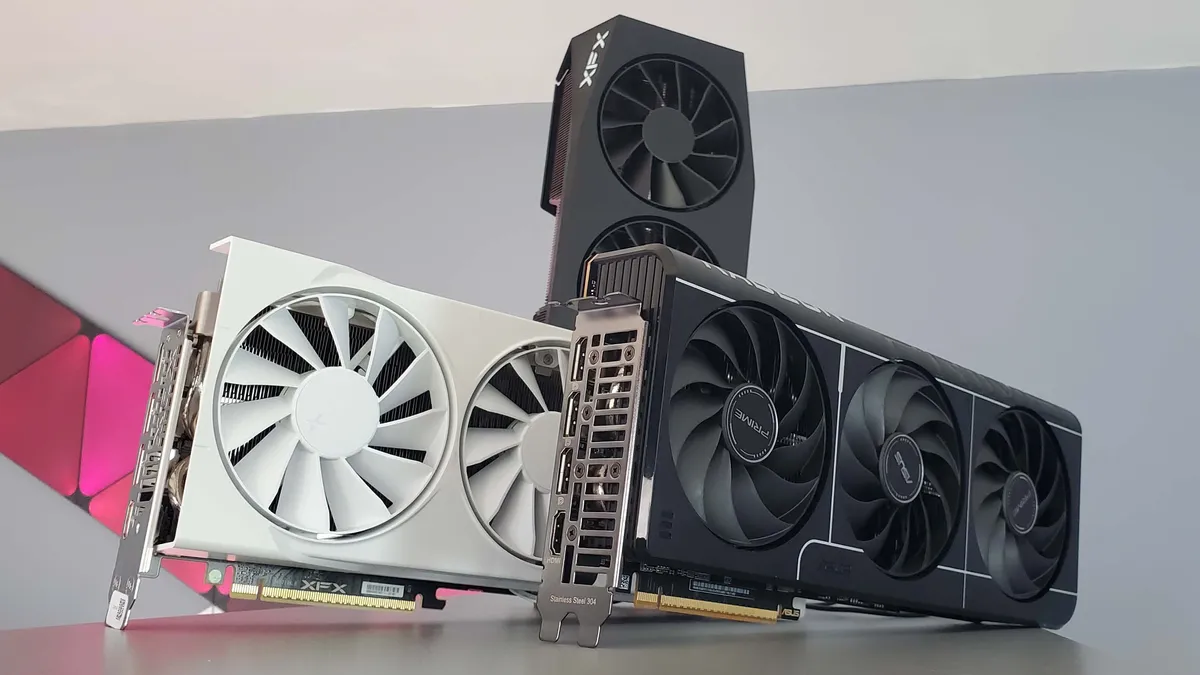
However, this all assumes that the extra $20/$40 gets applied to the end price, i.e. what the consumer pays. That's the best-case scenario. Should the additional payment be levied at the point of purchase by the card vendors, then we'll certainly be paying more than 20 or so bucks more, because everyone else in the chain is likely to add a 'VRAM tax' of their own.
And just because the RAM has gone up in price doesn't mean it's going to be any more available to manufacturers. It's got more expensive because of supply constraints, not production-related issues. This could result in larger vendors swallowing up all available supplies of GDDR6 to ensure they can keep on churning out products.
That will leave smaller companies in lots of trouble, and I wouldn't be surprised if some of them either disappear altogether or just stop producing graphics cards. If that happens, then it'll be the end consumer that suffers because the lack of competition will just give the bigger companies free rein to charge whatever they like.
If it turns out that we only have to pay $20 more for our 8 GB Radeon cards and $40 more for AMD's 16 GB GPUs, then I can't see too many people complaining. But should the worst come to pass, and it's the third-party vendors coughing up this extra free, then our beloved GPUs stand a good chance of returning to the horrible days of the pandemic, where everything pixel-pushing costs an arm and a leg.
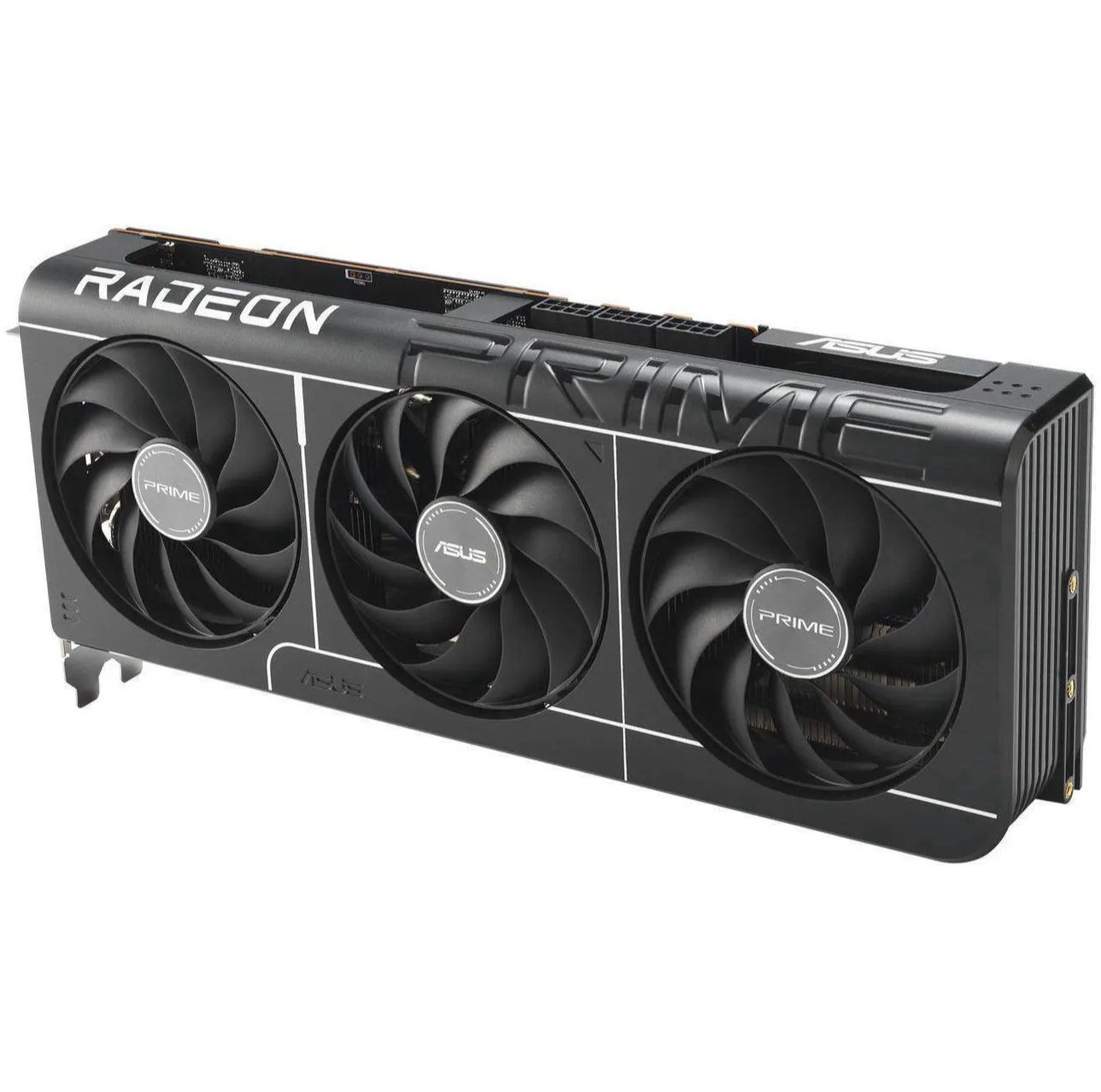
1. Best overall: AMD Radeon RX 9070
2. Best value: AMD Radeon RX 9060 XT 16 GB
3. Best budget: Intel Arc B570
4. Best mid-range: Nvidia GeForce RTX 5070 Ti
5. Best high-end: Nvidia GeForce RTX 5090

You must confirm your public display name before commenting
Please logout and then login again, you will then be prompted to enter your display name.