Good news, an actually good Windows update is here. But it likely won't be useful for a while. Still, the foundation has been laid for your apps to update themselves thanks to the introduction of the Unified Update Orchestration Platform (UOP).
The UOP will "download and install updates based on user activity and system state". Though rather than Windows Update, which provides patches for the OS and some applications and services, or Microsoft Store, UOP allows apps to stick to their own backend updating service. So, think of it like the OS helping apps to download updates when the system isn't in use.
As of right now, no apps actually utilise UOP, but users on the Dev and Beta channels will slowly start to get access. Specifics on app implementation and API access have not yet been shared, but the Windows blog says "apps will start using it over time".
The blog also states that the implementation available in the rollout will only be partial and that the UOP features will reach full enablement "soon".
The latest Windows update also comes with the introduction of more AI features. Model Context Protocol will be supported natively if you have the latest update, which is a way of connecting agentic AI to your apps, for use as part of an AI workflow. Windows boasts the ability to 'perform natural language search to retrieve the exact file' on Copilot+ PCs.
Finally, going forward, Windows can suggest apps when you click "open with" to offer the best fit for the job (even if you don't have that app downloaded). Previously, it would go through the Microsoft Store only, which not only slows down opening files but can also be a bit inaccurate. If it works, this should cut down a bit of time, though I bet it'll be pushing Microsoft's own apps.
That is to assume it works, though, which isn't always a given with Windows.
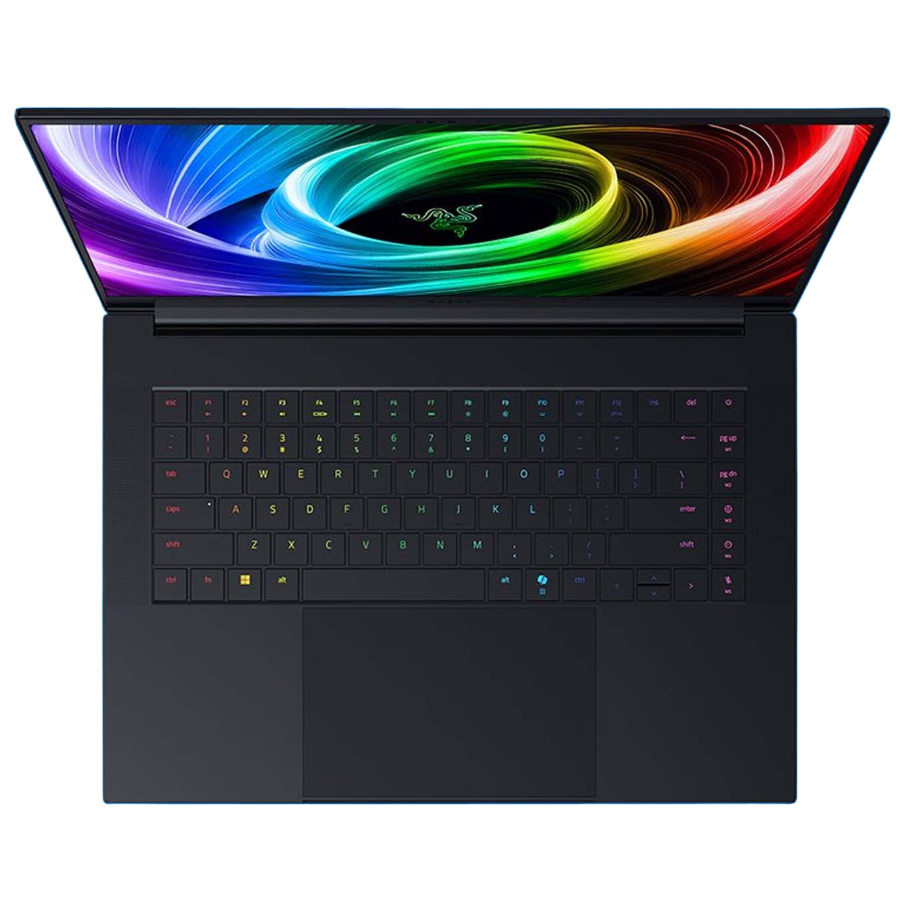
1. Best gaming laptop: Razer Blade 16
2. Best gaming PC: HP Omen 35L
3. Best handheld gaming PC: Lenovo Legion Go S SteamOS ed.
4. Best mini PC: Minisforum AtomMan G7 PT
5. Best VR headset: Meta Quest 3

You must confirm your public display name before commenting
Please logout and then login again, you will then be prompted to enter your display name.