You are now subscribed
Your newsletter sign-up was successful
Want to add more newsletters?

Every Friday
GamesRadar+
Your weekly update on everything you could ever want to know about the games you already love, games we know you're going to love in the near future, and tales from the communities that surround them.

Every Thursday
GTA 6 O'clock
Our special GTA 6 newsletter, with breaking news, insider info, and rumor analysis from the award-winning GTA 6 O'clock experts.

Every Friday
Knowledge
From the creators of Edge: A weekly videogame industry newsletter with analysis from expert writers, guidance from professionals, and insight into what's on the horizon.

Every Thursday
The Setup
Hardware nerds unite, sign up to our free tech newsletter for a weekly digest of the hottest new tech, the latest gadgets on the test bench, and much more.

Every Wednesday
Switch 2 Spotlight
Sign up to our new Switch 2 newsletter, where we bring you the latest talking points on Nintendo's new console each week, bring you up to date on the news, and recommend what games to play.

Every Saturday
The Watchlist
Subscribe for a weekly digest of the movie and TV news that matters, direct to your inbox. From first-look trailers, interviews, reviews and explainers, we've got you covered.

Once a month
SFX
Get sneak previews, exclusive competitions and details of special events each month!
Asus has rushed to clarify reports from Hardware Unboxed that it had listed its line of Nvidia GeForce RTX 5070 Ti GPUs as end-of-life, with a statement released today which states the outlet "may have received incomplete information from an Asus PR representative regarding these products."
In short, someone HUB spoke to in the post-CES malaise has gone a bit far when it comes to the official status of the RTX 5070 Ti being listed as definitively EoL. And I wouldn't be surprised if someone from Nvidia also had a not-so-quiet word in Asus' ear last night which 'encouraged' some official clarification today from HQ.
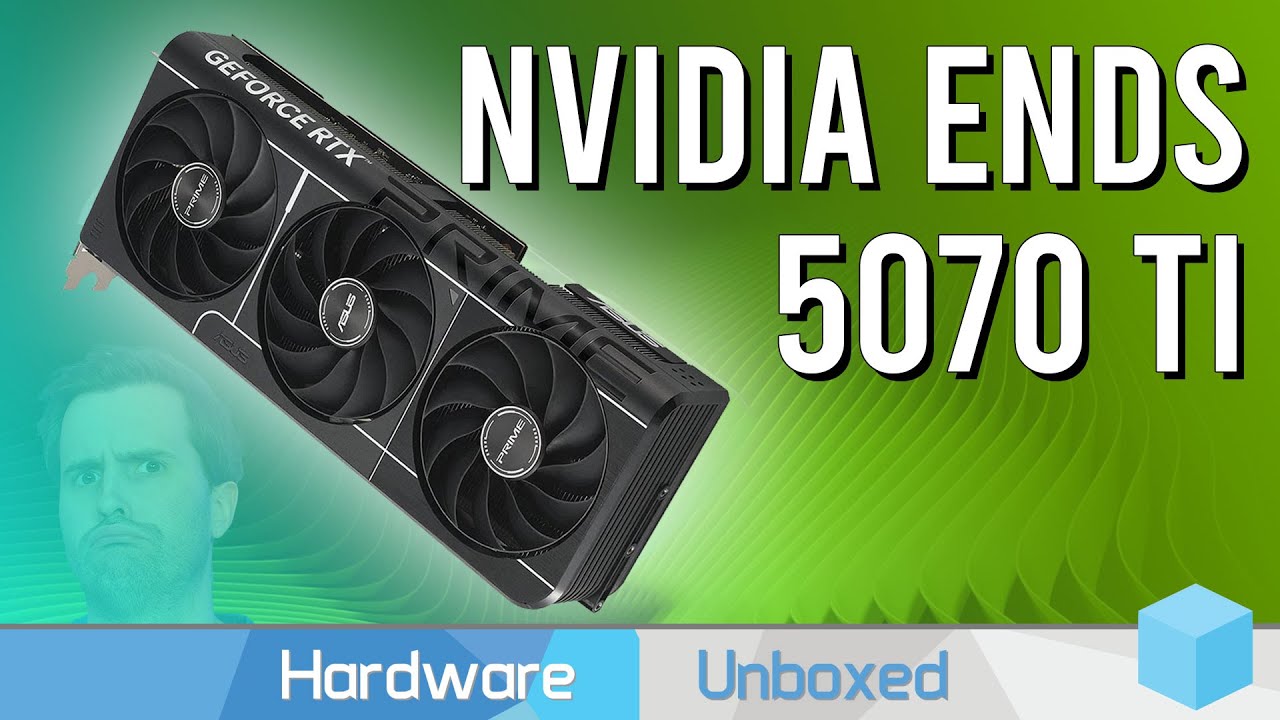
We spoke to our own contacts at Asus yesterday who said it was the first they or the entire EMEA (Europe, Middle East, and Africa) team at Asus had heard about it, and that EoL itself was "a big term".
A change in priority focus, or a serious shortage in chips could always impact the production or sales of a specific card, but to officially say that a card is end of life is something very different.
Which is also what I got from talking to MSI today, too. Officially MSI has stated that it has "no plan to EoL anything" and that its "goal is to feed all gamers with all GPUs," which comes as no surprise after what Asus has come out to say.
Given the memory shortage, a shift in priority to the RTX 5080 as the main 16 GB Nvidia card in the line up makes sense, but the way that sales have been across the board suggests that gamers looking at the high end will buy an RTX 5090, and the more sensible money goes on either the RTX 5070 or RTX 5070 Ti. But generally not the RTX 5080.
Nvidia actually killing the RTX 5070 Ti would be killing off a significant model in the grand scheme of things, especially as that would leave the RX 9070 XT completely unchallenged in that sector of the market.
Still, none of that changes the fact the RTX 5070 Ti is getting harder to find for a realistic price, and that's not going to get better until the focus stops being on manufacturing HBM or whatever data centres need this week. So yeah, no official end-of-lifing for the RTX 5070 Ti, but with such limited production—and a likely greater focus on shipping cards to system builders over the DIY market—there's a good chance it and the 16 GB RTX 5060 Ti are going to feel like dead cards for a while.
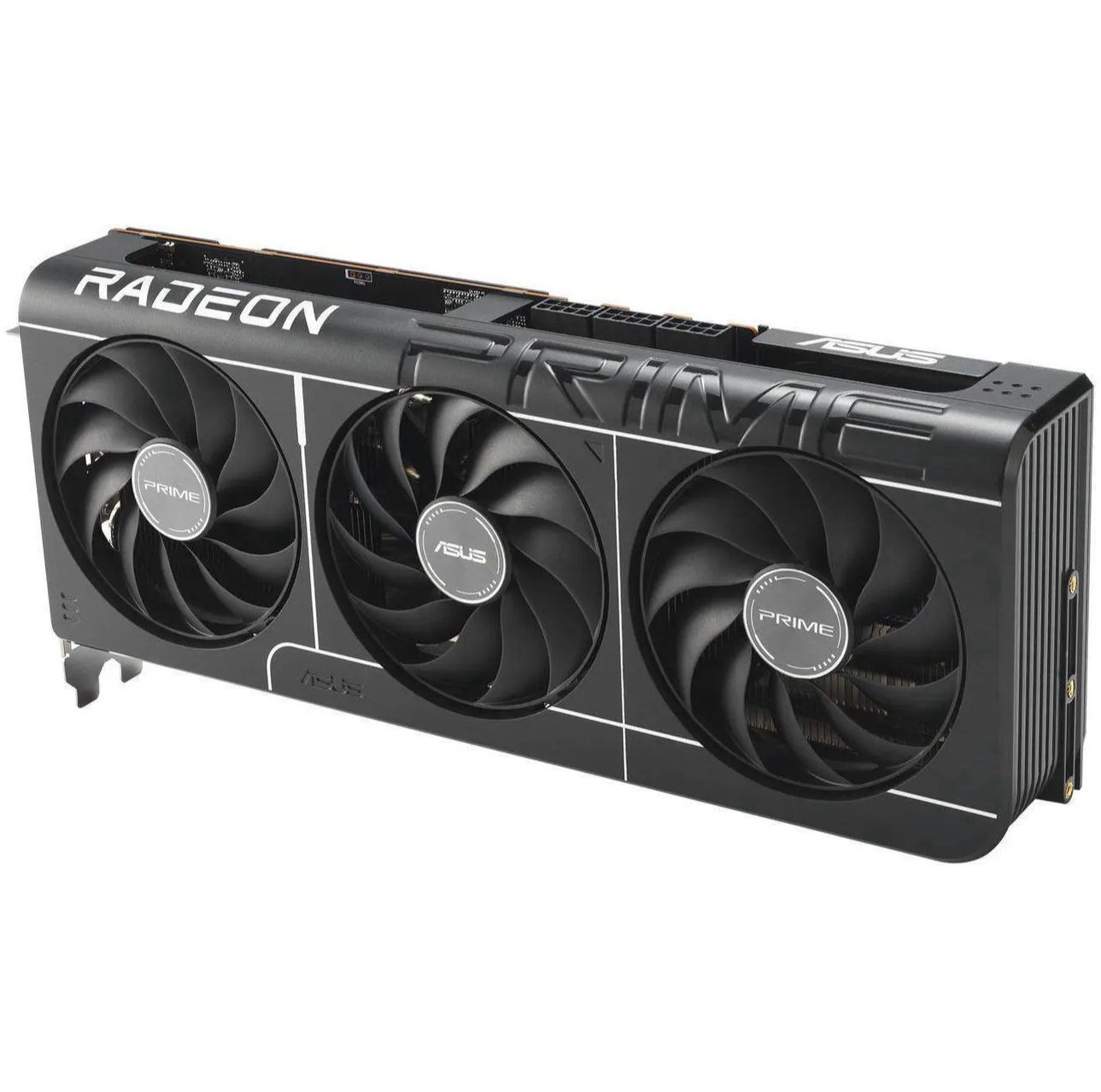
1. Best overall: AMD Radeon RX 9070
2. Best value: AMD Radeon RX 9060 XT 16 GB
3. Best budget: Intel Arc B570
4. Best mid-range: Nvidia GeForce RTX 5070 Ti
5. Best high-end: Nvidia GeForce RTX 5090

You must confirm your public display name before commenting
Please logout and then login again, you will then be prompted to enter your display name.