 Join The Club





Unity, the company behind the game engine of the same name, has entered into a definitive agreement to acquire blockbuster VFX firm Weta Digital for a hefty $1.625 billion (thanks, The Hollywood Reporter).
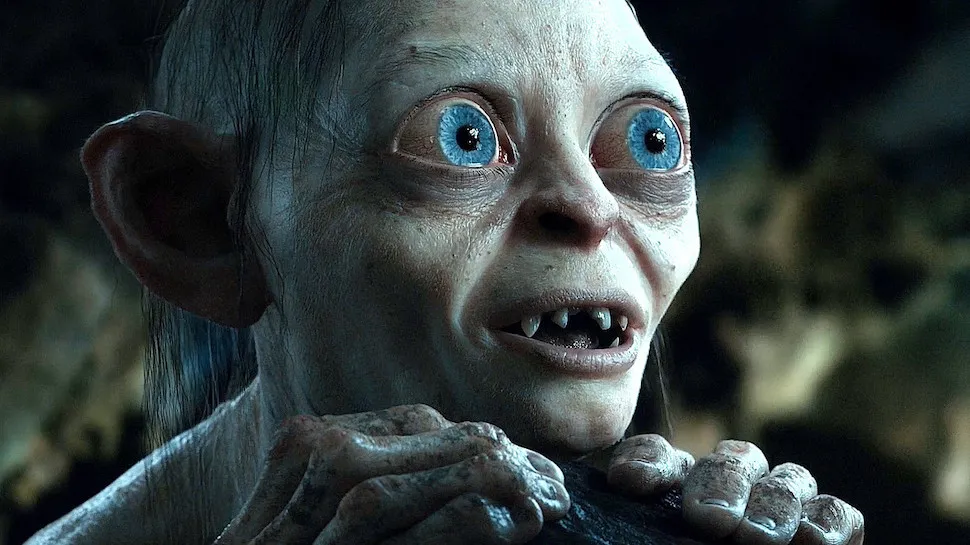
A New Zealand-based VFX house owned by director Peter Jackson, Weta is probably best known for the filmmaker's landmark Lord of the Rings trilogy (and the less well-received Hobbit trilogy), alongside James Cameron's Avatar and recent Marvel flicks like Shang-Chi and Eternals. Tangentially, Weta also made (and crashed) a Halo warthog that one time.
The acquisition sees Unity acquire a host of proprietary Weta tech including hair and fur simulators, water and smoke tools, facial capture systems and various renderers. All 275 Weta Digital engineers will join Unity, though Jackson's visual effects business will live on under the new name WetaFX.
Article continues below"We are thrilled to democratize these industry-leading tools and bring the genius of Sir Peter Jackson and Weta’s amazing engineering talent to life for artists everywhere," said Unity CEO John Riccitiello in a statement.
It's a massive grab for Unity, though it's currently unclear what this means for Unity developers themselves. Rendering pipelines for films and games are dramatically different, so don't expect Unity games to suddenly sport Hollywood blockbuster-quality VFX. Unity's statement specifically mentions using this tech to "unlock the full potential of the metaverse", while developers have speculated that Unity wants to follow Unreal's lead in creative live visual effects for film and TV.
Who is Unity's biggest customer? Film. They do not care about you, film are their primary customers. This is the closest they've come to dogfooding, and it's an entirely different industry.Why are they their biggest customer? Well beyond "a film pipeline!", it's uh, metaverse?November 9, 2021
The mood from indie Unity developers, however, is that this move is a step away from what they need the engine to be doing. As a part-time Unity user myself I've found recent versions to be increasingly frustrating, and a set of film-quality rendering tools is little consolation for game developers still dealing with Unity's own haphazard systems.
The Unity Weta acquisition is expected to close by the end of the year.


