Join The Club





Intel has confirmed production of its Alder Lake CPUs, based on a radical new hybrid architecture, will ramp up in the second half of this year. The confirmation came in the same earnings calls in which Intel’s new CEO Pat Gelsinger put his confidence in its upcoming 7nm production node.
However, the skinny on Alder Lake came from outgoing CEO Bob Swan. "As we look ahead, we are excited about the capabilities we are bringing to customers with Alder Lake for mobile and desktop PCs and Sapphire Rapids for the data center. These products take advantage of our Enhanced SuperFin process technology and numerous architectural improvements and both are broadly sampling to customers.
"We will qualify Alder Lake desktop and notebook for production and begin our volume ramp in the second half of 2021 and we expect production qualification of Sapphire Rapids at the end of 2021," Swan said.
Article continues belowSwans mention of 'Enhanced SuperFin process technology' refers to the latest revised version of Intel’s troubled 10nm production node. Originally slated for introduction in 2015, Intel’s 10nm process is at least five years late.
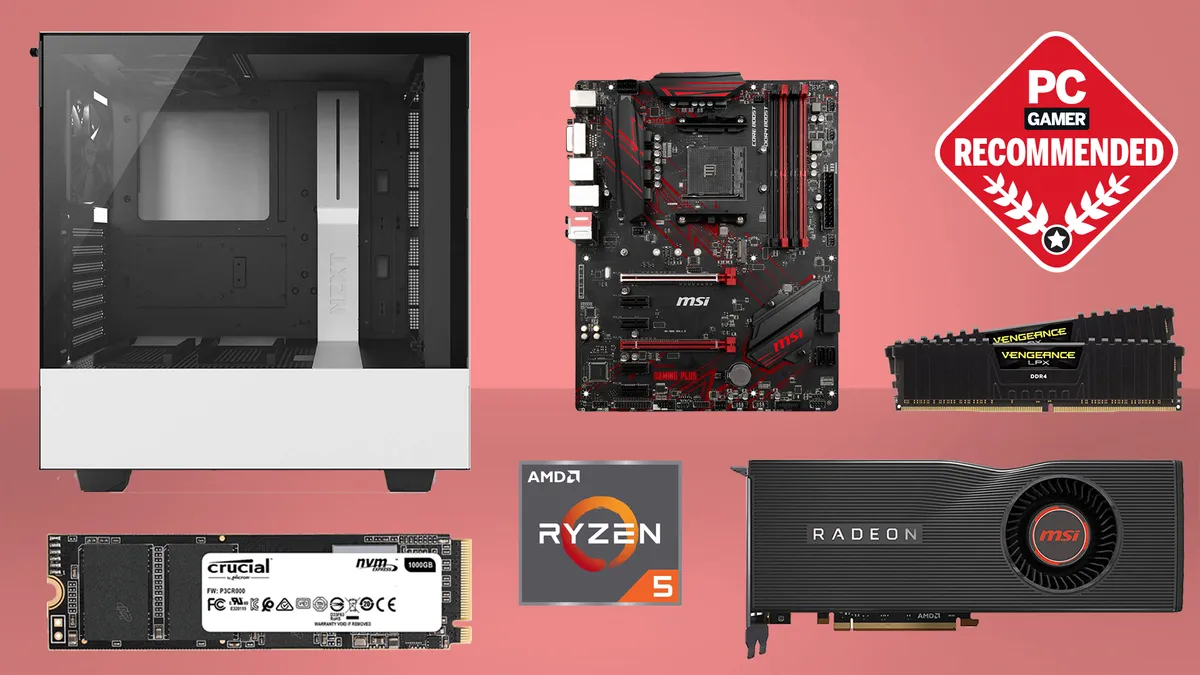
Best CPU for gaming: the top chips from Intel and AMD
Best graphics card: your perfect pixel-pusher awaits
Best SSD for gaming: get into the game ahead of the rest
As things stand, Intel has yet to sell a 10nm processor for desktop or laptop PCs with more than four cores. Indeed, before those Alder Lake chips ramp later this year, Intel is due to release yet another 14nm generation of processors, known as Rocket Lake.
In that context, confirmation that Alder Lake remains on track for later this year is significant. As regular readers will know, Alder Lake won’t just be Intel’s first full range of 10nm processors, it’s set to introduce a radical new hybrid architecture.
Similar to the so-called big.LITTLE ARM-based chips found in smartphones and Apple’s new M1 processor, Alder Lake combines both larger, high performance CPU cores with smaller high efficiency cores, theoretically combining the best of both worlds in a single architecture.
While it’s a well established approach in smartphones, such a hybrid architecture would be novel in the context of mainstream PCs, and most especially desktop ones. The most significant doubt concerns operating system awareness regarding the Windows OS.
In short, the operating system needs to be aware of the topology of the chip in order to schedule software threads to the correct cores. Otherwise, critical threads would inevitably end up on the small cores at least some of the time, compromising performance.
Even if the hardware is definitely on track for this year, Intel absolutely has to nail the software side before it can even think about releasing the chips out into the wild.