Even if you only have a passing interest in PCs and technology, it can't have escaped your notice that the whole industry has a problem with RAM. So you might think it's good news that SK hynix is said to be investing over half a trillion dollars in building new RAM factories, but the reality is that it won't make a jot of difference to the current crisis.
In any other year by 2025, news that a memory company is apparently investing approximately $540 billion in the construction of four new manufacturing plants would be viewed with shock and suspicion. That's because such a sum of money is way more than the typical cost of that many RAM foundries.

Since the only way to make more RAM is to have more RAM factories, that means investing lots of money in building new plants. Seoul Economic Daily (SED) writes: "SK [h]ynix is investing an astronomical amount of funds, reaching 600 trillion won, in the construction of the Yongin Semiconductor Cluster."
This cluster will comprise four new foundries, the first of which will start soon and is expected to be completed by 2027. However, SED points out that "the total investment was initially estimated at 120 trillion won [$82 billion], but the cleanroom size has expanded by more than 50%, and the combined impact of rising raw material prices and exchange rates has increased the total by more than fivefold."
"It is estimated that approximately 120 trillion won will be invested in the first fab alone, which will begin construction in February and be completed by May 2027. The initial investment alone is equivalent to the entire initial budget. The surge in investment is the result of a combination of fab expansion and external factors," writes SED.
Given that the consumer and OEM RAM markets aren't going to cover those costs in revenue, it's obvious that SK hynix is doing this for AI sales. A major problem for the company is that the initial timeline for the new cluster was for it to be fully operational by 2050.

Predicting what the computing market is going to be like in the near future is very difficult, even for just a few years, but for a quarter of a century? That's akin to looking at gaming-focused Nvidia and its $500 top-of-the-range GeForce 2 Ultra in 2000, and correctly determining that it will stop being gaming-only and sell its best graphics cards at four times the price.
In other words, if SK hynix really is investing that amount of money, just for keeping up with AI RAM orders, then it's a gamble of biblical proportions. While it's probably fine to say that the demand will still be there by 2027, it's not even remotely certain that it will remain the same by 2030, let alone 2050.

Of course, all chip manufacturers need to invest in new facilities. It's not just about increasing production output, but also about using the latest photolithographic equipment and process node technologies. RAM from 25 years ago would be utterly useless in any of today's computing devices (too big, too slow, too power-hungry), and we only have DDR5 and GDDR7 because of such investments.
Whatever ultimately happens with SK hynix's Yongin Semiconductor Cluster, it won't make any difference to the current memory crisis, though. There just isn't enough RAM production going on to meet every demand. No magic wand can fix this, though a magic pin to pop a certain bubble might just come in handy.
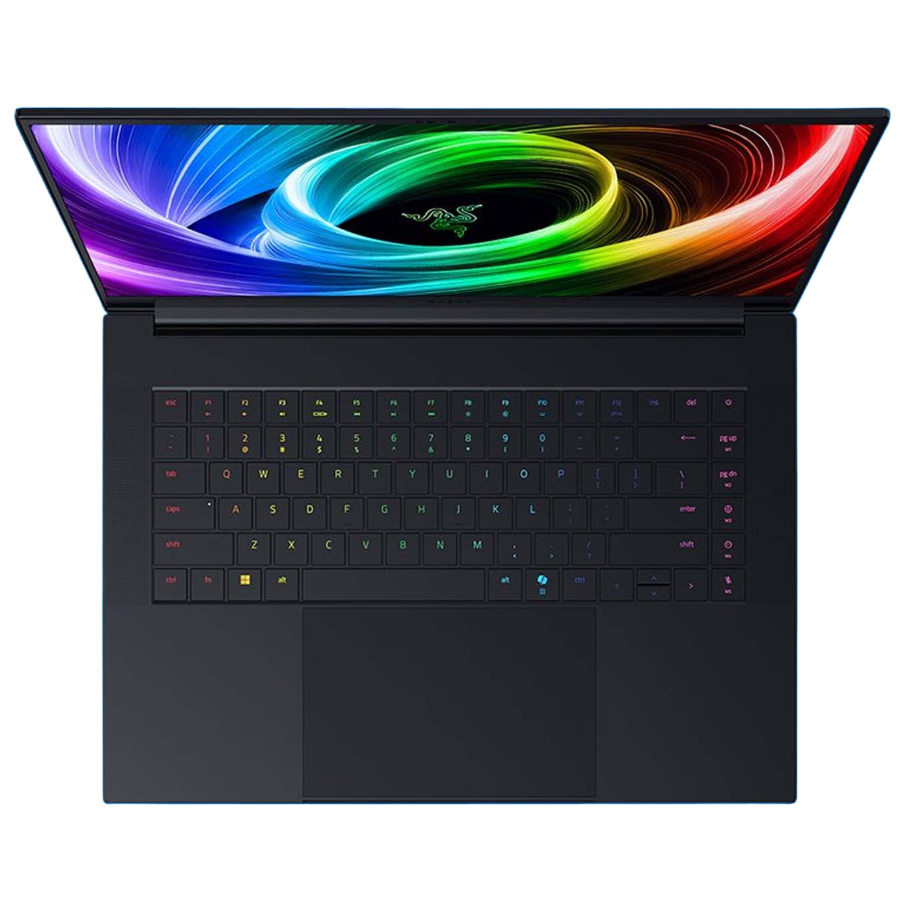
1. Best gaming laptop: Razer Blade 16
2. Best gaming PC: HP Omen 35L
3. Best handheld gaming PC: Lenovo Legion Go S SteamOS ed.
4. Best mini PC: Minisforum AtomMan G7 PT
5. Best VR headset: Meta Quest 3

You must confirm your public display name before commenting
Please logout and then login again, you will then be prompted to enter your display name.