Join The Club





As well as teasing a new ultraslim Alienware gaming laptop design Dell has also given us an early look at its new entry-level gaming laptops aimed at "ensuring that really there is a product for everyone" in its Alienware range.
Dell's COO, Jeff Clarke, spoke at the start of our CES 2026 pre-briefing in December about the company wanting to get back to its roots and also broaden its horizons. "It's a scale business, all 280 million units matter… You can't succeed if you're treating a portion of it like a distant relative... If I give you one thing to walk away with, it's the following: the consumer business is important to Dell."
Article continues below 
Catch up with CES 2026: We're on the ground in sunny Las Vegas covering all the latest announcements from some of the biggest names in tech, including Nvidia, AMD, Intel, Asus, Razer, MSI and more.
The words 'Alienware' and 'entry-level' are not normally associated with each other, and it's perhaps a measure of where Dell finds itself right now that its traditionally premium-focused gaming brand is looking for a new market.
"This is an entry-level laptop that brings Alienware to that broader audience," says Alienware's head of product, Matt McGowan, introducing the new machine. He notes the system is still in development, and the fact that, like its new ultraslim design, it has no sub-brand name as yet suggests it hasn't been in development for that long, either.
"We aim to deliver the most bang for the buck with this new product," says McGowan. "Our goal is to hit price points hundreds of dollars cheaper than where we are today. And really the intent here is to bring more people into the Alienware family."
Given the RAMpocalypse is going to be spiking prices across the board when it comes to gaming PCs and laptops throughout 2026, offering a more affordable alternative actually within its premium brand could be a smart move for both Alienware and Dell itself. Especially as PC gaming remains a growing segment of the market.
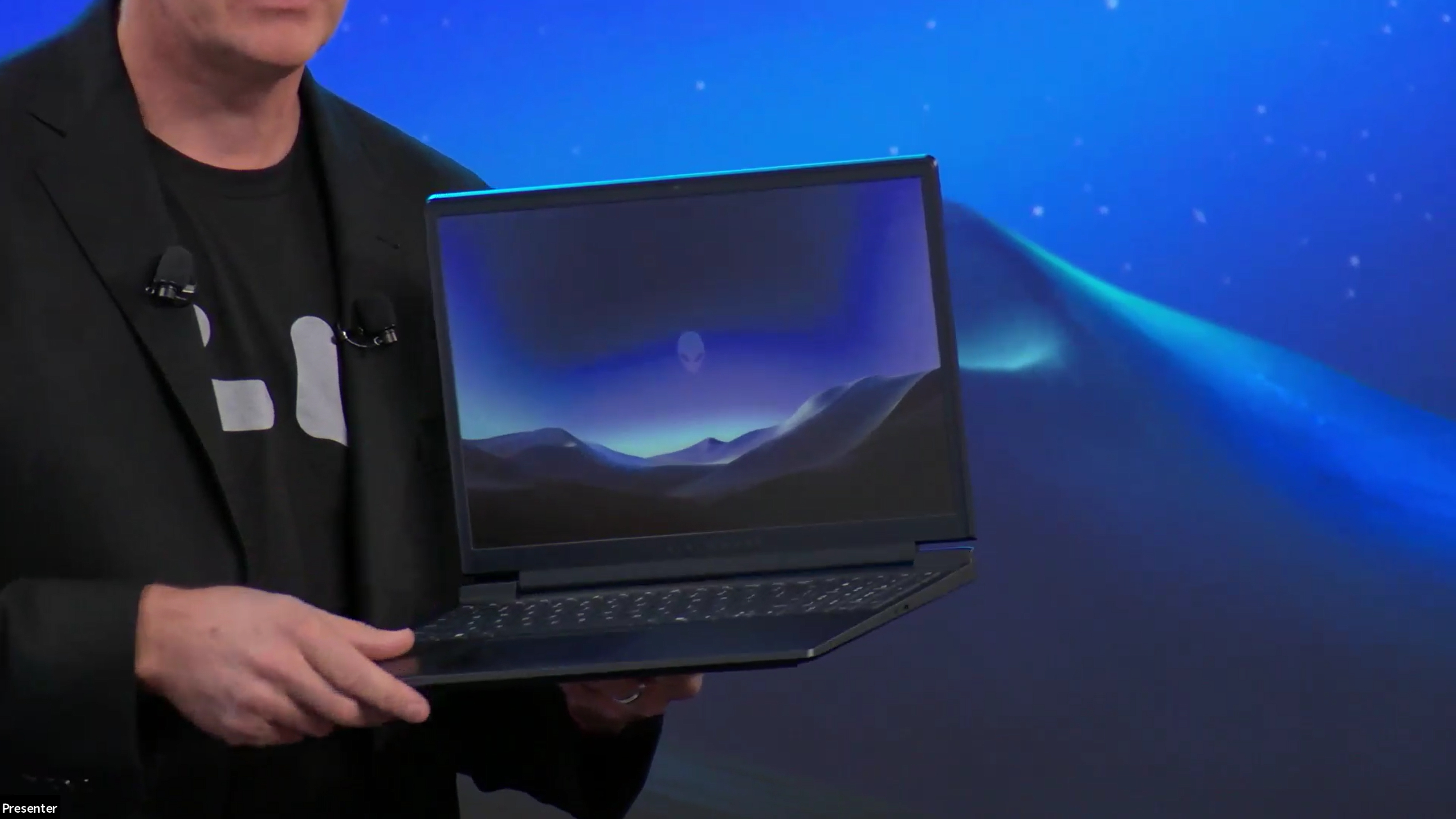
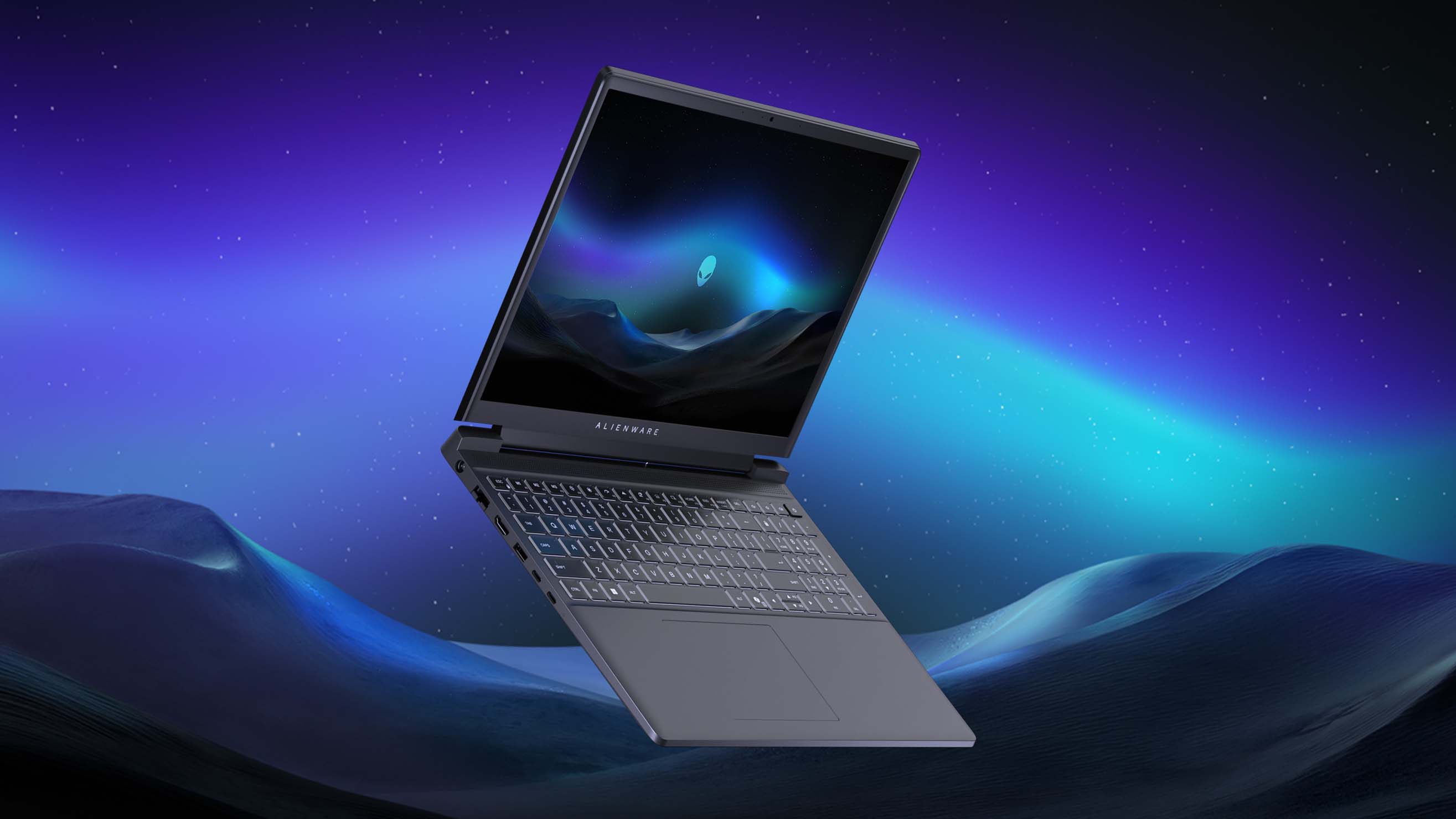
"More and more people want gaming PCs, but there's a lot of technology in here," says McGowan. "It's expensive to deliver a product that plays games well, but we wanted to attack that problem head-on.
"Now, this product isn't at the level of an Area-51, of course, but it's still built to our standards. So, we're being smart about where we make investments, we're not cutting corners on the things that matter the most, like build quality, thermals, performance."
From the brief look we've had so far, it looks… like a laptop.
It's interesting to see that Alienware has decided to make sure there's a numpad on the device, and I'd suggest we're probably looking at something that will follow more or less the same design notes as Lenovo's entry-level LOQ range. Though that at least makes sure to offer high TGPs on its mobile graphics cards, while Alienware's more affordable Aurora laptops have been suffering with bottom-end 80 W RTX 5060 chips, for example.
Whether Dell can resist the urge to artificially hobble its entry-level range to encourage upselling will potentially be the thing that makes or breaks this cheaper Alienware project. We'll supposedly know more in the Spring as development continues.
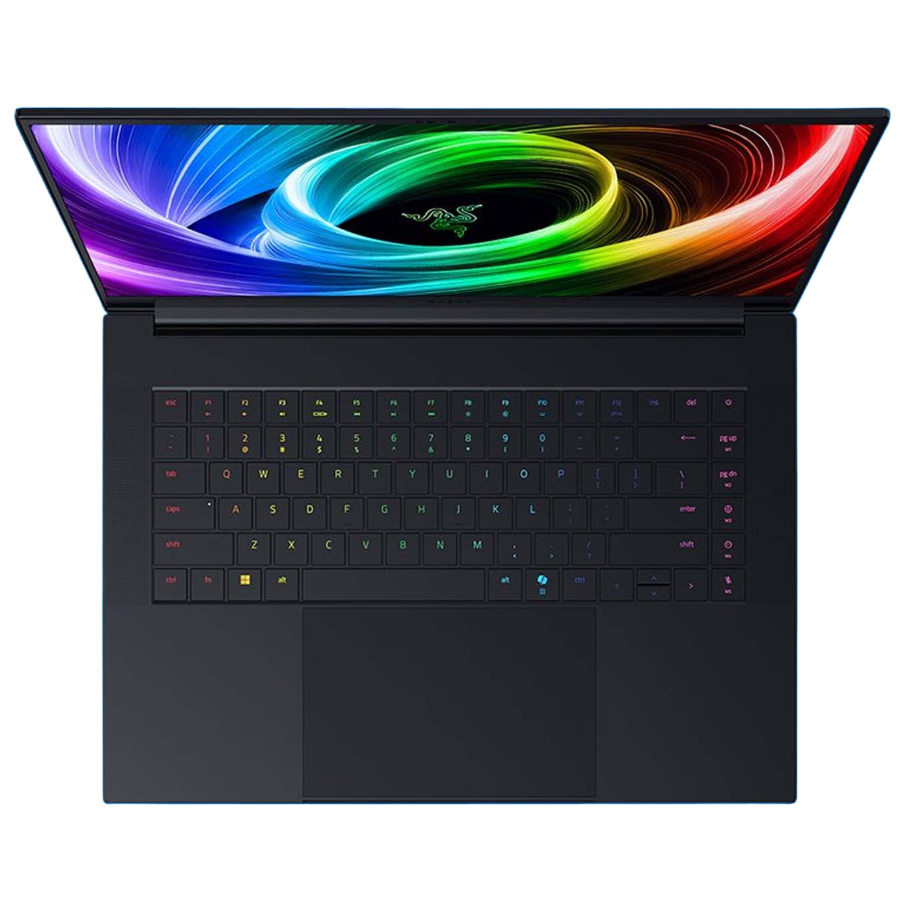
1. Best overall:
Razer Blade 16 (2025)
2. Best budget:
Lenovo LOQ 15 Gen 10
3. Best 14-inch:
Razer Blade 14 (2025)
4. Best mid-range:
MSI Vector 16 HX AI
5. Best high-performance:
Lenovo Legion Pro 7i Gen 10
6. Best 18-inch:
Alienware 18 Area-51

You must confirm your public display name before commenting
Please logout and then login again, you will then be prompted to enter your display name.