Join The Club





Arc Raiders is one of the most exciting surprises of 2025: the chilled-out extraction shooter that somehow managed to get everything right. Embark Studios now has the considerable job of building out the game's world and delivering the kind of ongoing content that keeps players interested, but so far it's managed the task well, and not a little of that is down to the game launching with four beautifully realised and huge maps (swiftly bolstered by the addition of a fifth, Stella Montis).
In a new interview with Games Beat, Embark's CEO Patrick Söderlund went into some detail on how the studio built the game's maps, and the big surprise for me was how closely they hew to certain real world inspirations.
"[Dam Battlegrounds] is the second one we made," says Söderlund. "To get the first iteration done probably takes weeks before it's playable but ugly and then it takes… I think we probably spent 6 months on this map to playtest it and make it playable."
Article continues below"The real work is actually making sure the map plays well. Testing everything, where to put things where they spawn, to get—artistically—to get the map in a reasonable shape is actually quite quick."
"The design of the map takes a little while, it's a very iterative phase, going back and forth [to] test, see where you place enemies," says Söderlund. "Because the maps are relatively complex with vast outdoor environments, but there are also indoor environments. The levels are very big and you have to make sure that there's something distinct and also interesting to entice people to play."
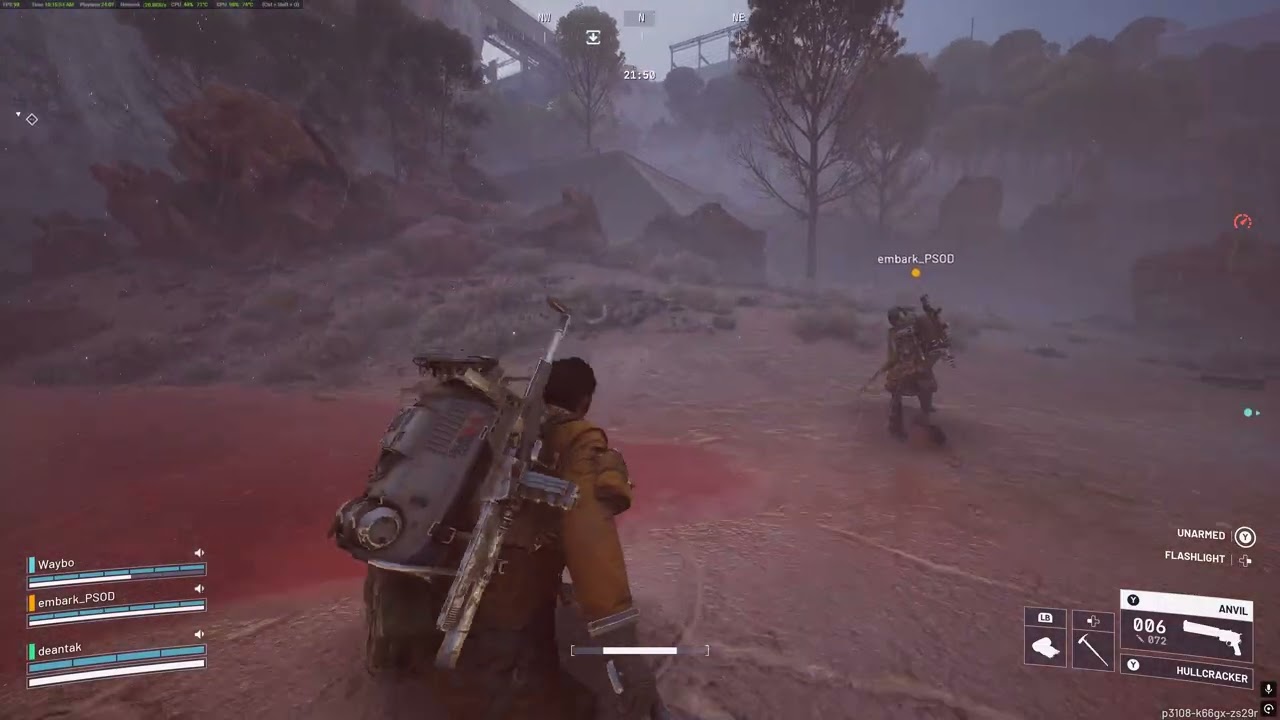
Finally, Söderlund gets to the real world inspirations.
"All maps are based on real-world, satellite topography data using Google Maps, and then they're taken from places that exist in the world," says Söderlund. "So we go to a location, find an area that we like: Spaceport was actually done in Tenerife.
"We went there and saw what it looks like there, took a ton of pictures of rocks and formations, and then we used Google Maps to get topography right and then on top of that we used scanned data, and then you basically make the map using non-traditional means such as photos, which is kind of fun."
Well, I wasn't expecting the "Spaceport is Tenerife" line, but maybe I'll head there tonight and treat myself to a daiquiri.
Elsewhere in the same interview, Söderlund is also finally explicit about the game's "aggression-based" matchmaking, which the community has been speculating around since launch: "If your preference is to do PvE and have less conflict with players," Söderlund says. "you're more likely to get matched with similar players."

You must confirm your public display name before commenting
Please logout and then login again, you will then be prompted to enter your display name.